
Albizia isenbergiana
Albizia isenbergiana
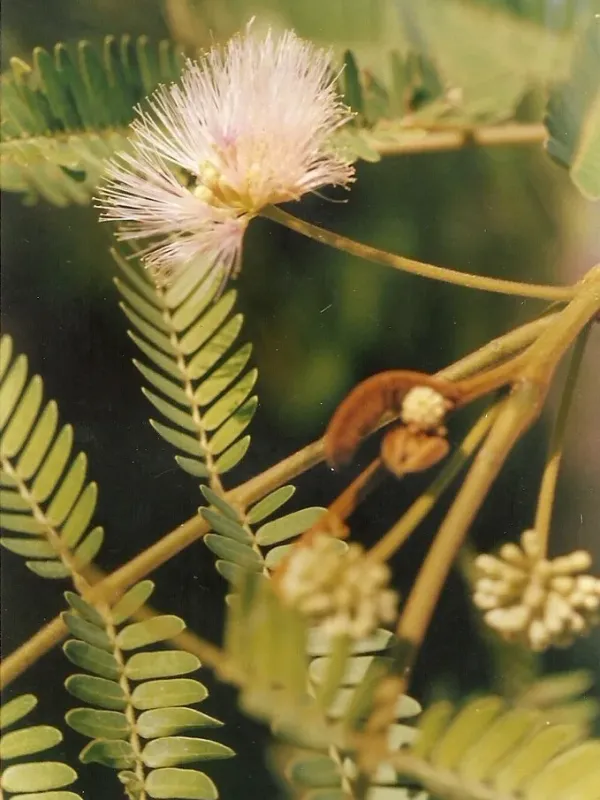
Description
Growing requirements
Albizia isenbergiana is a distinct tree species belonging to the Fabaceae family, native to the highlands of Ethiopia. This woody plant is highly valued for its role in maintaining ecological balance and supporting soil health in its natural habitat.
The tree requires well-drained soil conditions to thrive, preferring substrates that are rich in organic matter but do not retain excessive moisture. It is well-adapted to the subtropical highland environment where it experiences distinct seasonal variations.
Sunlight is critical for the healthy development of Albizia isenbergiana. It should be planted in locations that receive full sun for the majority of the day to ensure vigorous growth and natural resistance against environmental stressors.
Agricultural management of this species includes periodic pruning to maintain structural integrity and improve air circulation within the canopy. Providing balanced irrigation during the initial stages of establishment is vital for building a deep root system.
Economically, the species is utilized in agroforestry systems as a nitrogen-fixing tree, which helps improve soil fertility for companion crops. Its wood also serves local needs for construction and fuel, showcasing its versatile utility.
Main diseases and pests
Root rot is the most common pathology affecting this species, primarily caused by poor drainage and excessive watering patterns in heavy clay soils.
Leaf-feeding insects and various types of scale insects are known to inhabit the foliage, potentially causing yellowing and premature leaf drop if infestations are severe.
Fungal infections, such as leaf spot, can appear during periods of prolonged humidity and high temperatures, requiring careful monitoring of the canopy health.
Integrated pest management strategies are recommended, focusing on maintaining tree health through proper spacing and moisture control rather than heavy chemical use.
Regular maintenance, including the removal of dead or decaying wood, is essential to minimize the risks posed by wood-boring beetles and other opportunistic pests.