
Albizia harveyi
Albizia harveyi
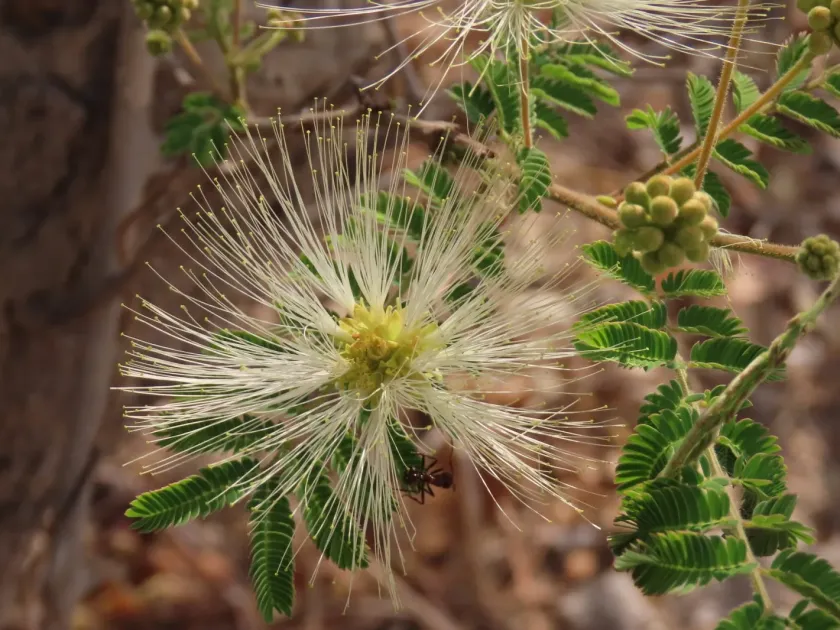
Description
Growing requirements
Albizia harveyi is a distinguished member of the Fabaceae (legume) family, native to the diverse landscapes of Southern and Eastern Africa. Known for its aesthetic umbrella-shaped canopy, it serves as a critical component of woodland savannas.
Botanically, this species is characterized by its bipinnate leaves and clusters of showy, pale flowers. Its ability to thrive in harsh, semi-arid environments makes it an excellent candidate for land reclamation and sustainable agroforestry projects in tropical regions.
The tree requires significant solar radiation to maintain its growth cycles. It is highly adapted to tropical heat and prefers sites with full sun exposure. In agricultural settings, selecting a site with optimal light exposure is essential for biomass production.
Soil requirements for Albizia harveyi emphasize good drainage and aeration. While it is hardy in nutrient-poor soils due to its nitrogen-fixing capabilities, it does not tolerate waterlogged conditions, which can be detrimental to its root architecture.
Agricultural management includes site preparation that ensures weed control during the establishment phase. Once matured, the tree is remarkably self-sufficient, requiring minimal intervention thanks to its deep root system that accesses groundwater.
Main diseases and pests
The species faces pressure from various wood-boring beetles that target both healthy and stressed specimens. Regular monitoring is advised, especially in dense plantations where pest populations can increase rapidly.
Fungal diseases, primarily root rots caused by Phytophthora or Armillaria species, represent a significant threat in areas with poor drainage. Implementing a strictly monitored irrigation schedule prevents the formation of anaerobic soil pockets.
Large mammals, including elephants and various ungulates, frequently browse on the young foliage and strip the bark. Protecting individual saplings is necessary in regions where wildlife density is high to ensure successful reforestation.
Defoliating insects can occasionally lead to significant biomass loss. Integrated pest management strategies, focusing on biological controls rather than broad-spectrum insecticides, are preferred to maintain ecological balance.
Frost sensitivity is a major abiotic limiting factor for this species. Even mild cold snaps can cause severe tissue necrosis, making it unsuitable for regions that experience regular sub-zero temperatures or prolonged cold winters.