
Albizia guachapele
Albizia guachapele
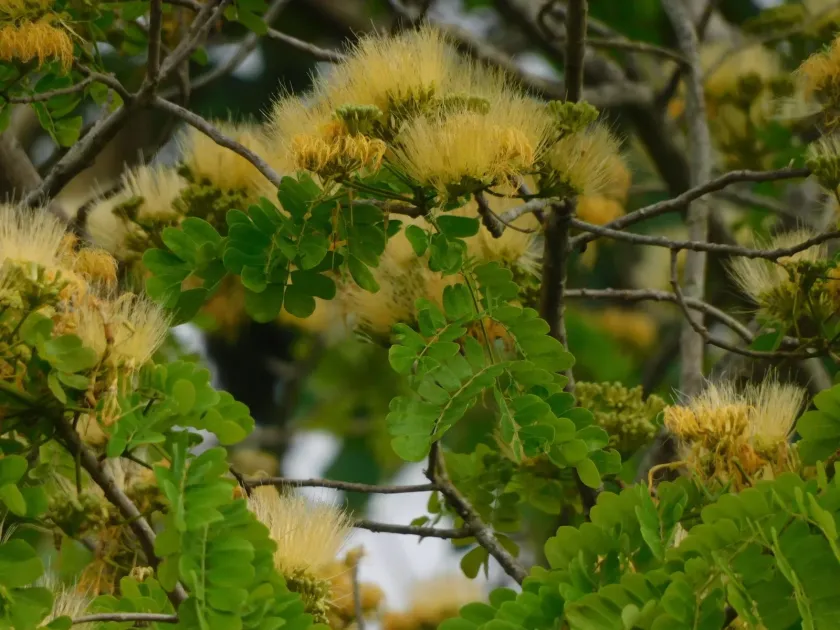
Description
Sowing dates
The seeds of Albizia guachapele have a very hard coat, which necessitates pre-sowing scarification to ensure optimal germination rates. Methods include mechanical abrasion or a brief immersion in hot water, which allows moisture to penetrate the embryo.
Sowing is typically performed in high-quality, well-draining potting media within a nursery setting. The beginning of the rainy season is considered the most favorable period for seeding, as high ambient humidity supports the rapid development of young seedlings.
Seedlings are raised in individual containers until they reach a height of 30 to 50 cm. This practice enhances survival rates when plants are transplanted into open fields, ensuring the development of a strong and extensive root system.
When establishing plantations, it is crucial to maintain appropriate spacing between trees, as this species naturally develops a wide and spreading crown that requires ample space to flourish.
As a fast-growing species, Albizia guachapele is highly recommended for reforestation projects. Its rapid early growth provides quick cover, protecting the soil surface and suppressing invasive weed species.
Growing requirements
As a member of the Fabaceae family, Albizia guachapele thrives in tropical and subtropical climates. It is a light-demanding species, meaning it requires full sun exposure to reach its maximum growth potential and develop a dense wood structure.
The species is adaptable to various soil types but exhibits superior performance in deep, well-draining loams or sandy soils. It is critical to ensure that the site does not have waterlogging issues, as the root system is sensitive to excessive moisture.
Optimal growth occurs at temperatures between 20°C and 30°C. While the tree shows tolerance to occasional dry spells, consistent rainfall or irrigation during the establishment phase is vital for sustained productivity.
One of the most notable features of this culture is its ability to fix atmospheric nitrogen via symbiotic bacteria in its root nodules. This nitrogen-fixing capacity effectively improves the fertility of the surrounding soil.
Maintaining a neutral to slightly acidic soil pH is ideal for nutrient uptake. Given these requirements, the species is often integrated into agroforestry systems to enhance overall farm biodiversity and nutrient cycling.
Yield
Albizia guachapele is primarily valued for its durable and high-quality timber. The wood is widely appreciated in the furniture and construction industries for its strength, density, and aesthetic appeal, often serving as a substitute for endangered hardwoods.
The economic yield of the plantation is heavily dependent on proper management, including systematic pruning to encourage the development of a straight, clear bole. A typical rotation age for harvesting ranges from 15 to 25 years.
Beyond wood production, the tree serves as an excellent source of biomass. The leaves are rich in nutrients and can be used as green manure, returning nitrogen and organic matter to the soil upon decomposition.
The tree also acts as a nectar source, supporting local pollinator populations which can indirectly benefit nearby agricultural crops through increased pollination activity.
Due to its versatile uses and rapid growth rate, it remains a profitable choice for smallholders and large-scale forestry operations looking for sustainable long-term returns.
Main diseases and pests
While generally resilient, Albizia guachapele can be susceptible to fungal pathogens if grown in areas with poor airflow or high humidity levels. Management strategies should prioritize maintaining proper spacing to allow for adequate ventilation.
Insect pests, particularly those targeting leaf tissue or young shoots, represent the most common threat. Infestations by caterpillars can cause significant defoliation if not managed early in the growing season.
Wood-boring beetles can cause structural damage to the trunk, weakening the tree's overall vigor. Regular monitoring and the removal of severely affected individuals help prevent the spread of these pests throughout the plantation.
Integrated pest management (IPM) techniques are recommended to control outbreaks. This includes the use of biological control agents and limiting chemical applications to protect the surrounding ecosystem.
Sanitation practices, such as the removal of dead or diseased branches, are essential for maintaining the health of the trees. Proactive care ensures that the plantation remains productive and resists potential environmental stressors.