
Albizia grandibracteata
Albizia grandibracteata
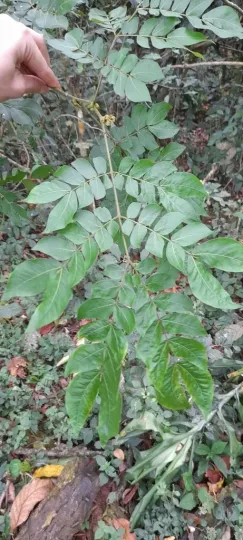
Description
Growing requirements
Albizia grandibracteata is a fast-growing leguminous tree species native to the tropical regions of East and Central Africa. Known for its adaptability, this species is increasingly valued in agroforestry for its ability to restore soil fertility through biological nitrogen fixation.
The tree thrives in moist to semi-moist tropical environments, preferring deep, well-drained, and nutrient-rich soils. While it can tolerate various altitudes, it performs best in regions with consistent temperatures between 20°C and 28°C and moderate to high annual rainfall.
Regarding sunlight requirements, it is a heliophytic plant that requires direct sunlight for optimal growth rates. Although seedlings may tolerate partial shade in their early stages, mature trees require significant canopy space to reach their full potential.
Agronomic management involves selecting sites with adequate drainage, as the species is susceptible to waterlogging. Planting densities should be carefully calculated based on the intended use, whether for timber production, shade provision for other crops, or fuel wood.
No intensive fertilization is required due to the tree's symbiotic relationship with nitrogen-fixing bacteria. Regular monitoring and occasional weeding during the first 2-3 years are the primary maintenance activities to ensure the saplings establish successfully.
Yield
Albizia grandibracteata is widely utilized for its versatile timber, which is light to medium in density and relatively easy to work with. It is highly sought after for furniture making, general construction, and the production of small agricultural implements.
In coffee and tea plantations, it serves as a critical shade tree. The canopy structure helps regulate the microclimate for the primary crops, while its leaf litter acts as a valuable organic mulch that enriches the soil with essential nutrients.
The species is a significant source of biomass for firewood and charcoal, providing a sustainable energy source for rural communities. Its rapid growth rate ensures a consistent supply of renewable energy resources.
Leaves and young shoots are used as a supplementary forage for livestock. They offer a good source of protein, especially during the dry season when traditional pasture availability is limited, thus supporting regional livestock production.
Economic gains are typically derived from a multi-purpose management strategy. By harvesting timber for value-added products while simultaneously utilizing the canopy for shade and leaf biomass for soil improvement, land managers can maximize the total yield per hectare.
Main diseases and pests
Fungal diseases, including various leaf rusts and spots, can affect the species under high humidity conditions. Implementing proper spacing and pruning practices is essential to ensure adequate airflow and reduce the incidence of such outbreaks.
Insect pests, particularly wood-boring beetles and defoliating caterpillars, pose the greatest threat to plantation health. Regular field inspections are necessary to identify potential infestations early and apply corrective management strategies.
Root rot, often caused by stagnant water or compacted soil, can jeopardize the stability and longevity of the trees. Ensuring proper site preparation and drainage before establishment is the most effective preventative measure against these conditions.
Nematodes can sometimes impact nursery stock, leading to poor vigor upon transplanting. Using high-quality, pest-free seedlings is paramount to ensuring a healthy plantation and avoiding the need for chemical soil treatments.
An integrated pest management (IPM) approach is recommended, focusing on maintaining tree health through balanced nutrition and environmental management. Encouraging natural predators of pests is also a sustainable way to control populations in large-scale plantations.