
Albizia glaberrima
Albizia glaberrima
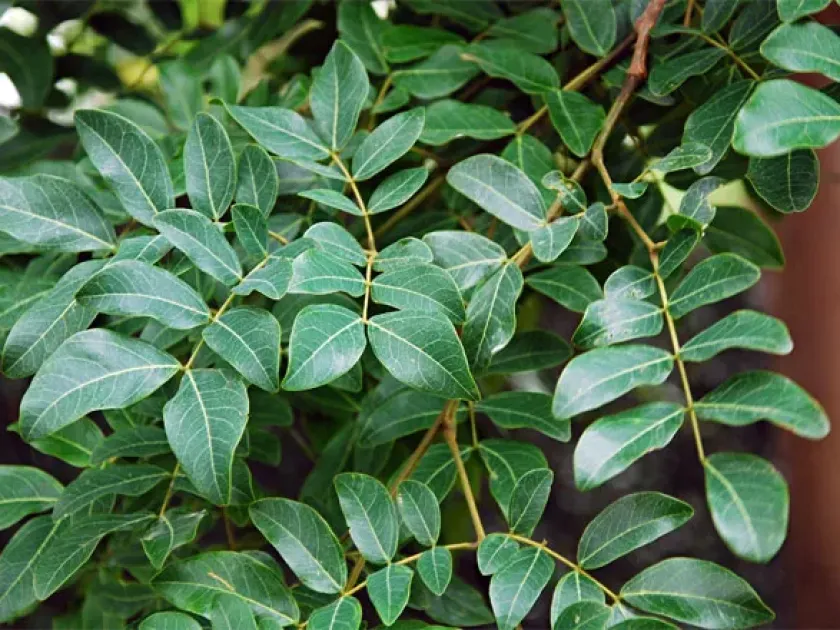
Description
Sowing dates
The cultivation of Albizia glaberrima typically begins with seeds, which require specific preparation due to their hard seed coat. Scarification is essential to break dormancy and ensure uniform germination rates across the planting batch.
Sowing in nursery beds or containers should be scheduled for the onset of the warm, rainy season when ambient temperatures consistently exceed 20 degrees Celsius. Seeds should be sown at a shallow depth to facilitate quick emergence.
Seedling management involves maintaining consistent moisture levels without waterlogging the substrate. Once seedlings reach a height of approximately 30-50 centimeters, they are ready to be transplanted into the field or permanent site.
In forest plantation settings, spacing should be carefully calculated based on the intended purpose of the trees, whether for timber production or ecological soil enrichment. Proper spacing ensures adequate access to sunlight and airflow.
The use of high-quality, pre-treated seeds is a critical component of successful propagation. Monitoring germination success allows for timely replanting to ensure the desired stocking density in the nursery or field.
Growing requirements
Albizia glaberrima, a member of the Fabaceae family, is a versatile tropical tree that thrives in warm, humid climates. It is highly valued for its adaptability to various soil types, though it performs best in well-drained, fertile loams.
As a light-demanding species, this tree requires full sun exposure for optimal growth. Planting in shaded areas or high-density patches where light penetration is limited can lead to stunted growth and poor structural development.
The species demonstrates good tolerance to moderate drought conditions once established, thanks to its deep root system. However, for young plantations, consistent irrigation during the first few months is vital to ensure survival.
Soil fertility is naturally enhanced by this species, as it is a nitrogen-fixing legume. This ability makes it an excellent candidate for inclusion in agroforestry systems where it helps boost the growth of neighboring crops.
Environmental management involves avoiding frost-prone areas, as the tree is susceptible to cold stress. Selecting sites with appropriate thermal stability and minimal wind exposure is crucial for maintaining tree health and vigor.
Yield
The primary economic output of Albizia glaberrima is its high-quality timber, which is utilized for furniture construction, joinery, and general carpentry. The wood is appreciated for its durability and aesthetic grain patterns.
Growth rates are generally robust, allowing for relatively short rotation cycles in managed plantations compared to many slower-growing hardwood species. Achieving maximum yield requires consistent pruning to promote straight, branch-free trunks.
Besides timber, the tree serves as a source of green manure. Its nutrient-rich leaves shed frequently and decompose rapidly, providing essential nitrogen and organic matter to the underlying soil profile.
Yield metrics are influenced by the quality of silvicultural practices implemented. Regular thinning of plantations to remove suppressed trees allows the dominant individuals to access more nutrients, thereby increasing the overall volume of wood harvested.
Sustainable harvesting strategies ensure the longevity of the plantation, allowing for continuous production cycles that provide a steady supply of timber and biomass for local and industrial markets.
Main diseases and pests
Pests such as wood-boring beetles and certain sap-sucking insects pose the most significant threat to the health of the tree. These organisms can severely damage stems and foliage, reducing both the growth rate and the quality of the timber.
Fungal infections, particularly root rot caused by poor drainage and excessive soil moisture, are common challenges in humid environments. These pathogens can weaken the structural integrity of the root system.
Effective protection strategies rely on integrated pest management, which includes maintaining proper tree spacing to ensure good air circulation. This reduces the humidity levels that fungi and pests thrive in.
Mechanical injuries to the trunk during maintenance activities should be avoided at all costs, as these wounds serve as entry points for pathogens. When pruning is necessary, tools must be sanitized to prevent the spread of diseases.
Proactive monitoring of the plantation is essential for identifying infestations at an early stage. Early intervention with biological controls or targeted treatments is far more cost-effective than attempting to manage a widespread outbreak.