
Albizia forbesii
Albizia forbesii
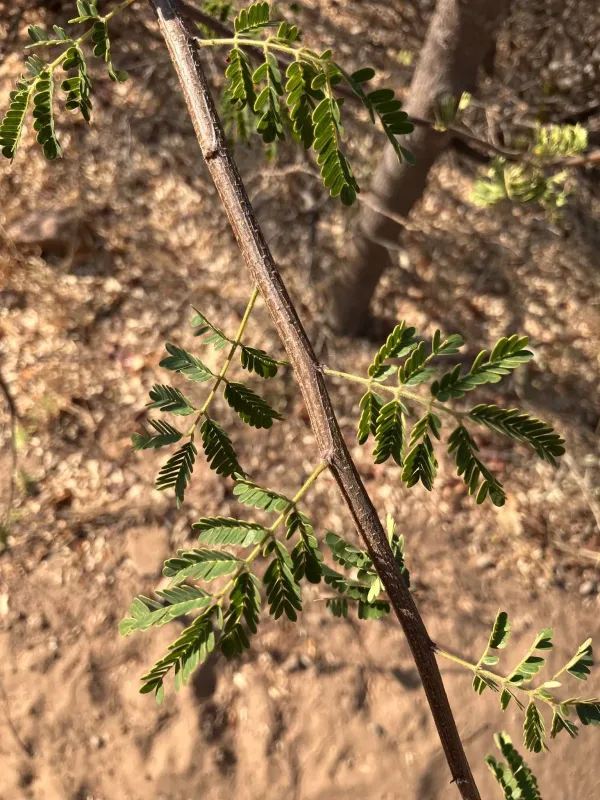
Description
Growing requirements
Albizia forbesii is a distinct tree species belonging to the Fabaceae family. It is known for its wide, spreading canopy and delicate, bipinnate leaves, which are characteristic of the genus within the Mimosoideae subfamily.
The native range of this species is primarily located in Eastern and Southern Africa, including countries such as Mozambique and Zimbabwe. It is well-adapted to woodland savanna environments and is known for its resilience to dry seasonal climates.
When cultivating Albizia forbesii, it is essential to provide well-draining, sandy or loamy soils. The species requires full sunlight to thrive and demonstrates significant drought tolerance once it has established a robust root system in its growing environment.
A key agronomic benefit of this tree is its role as a nitrogen-fixing species. By forming symbiotic relationships with soil bacteria, the roots enrich the surrounding soil, making it a valuable candidate for soil reclamation projects and integrated agroforestry systems.
In terms of economic utility, the wood is utilized for high-quality carpentry and furniture production due to its durability. Additionally, the tree is appreciated in horticultural settings for its aesthetic value during the flowering period.
Main diseases and pests
The culture is occasionally susceptible to infestations by wood-boring beetles, which can compromise the integrity of the trunk. Regular inspection of the bark and main stems is recommended to ensure early detection.
Root rot pathogens represent a potential risk, particularly in high-rainfall areas or in heavy, clay-rich soils that prevent proper drainage. Maintaining appropriate moisture levels is the primary strategy for ensuring plant health.