
Albizia coriaria
Albizia coriaria
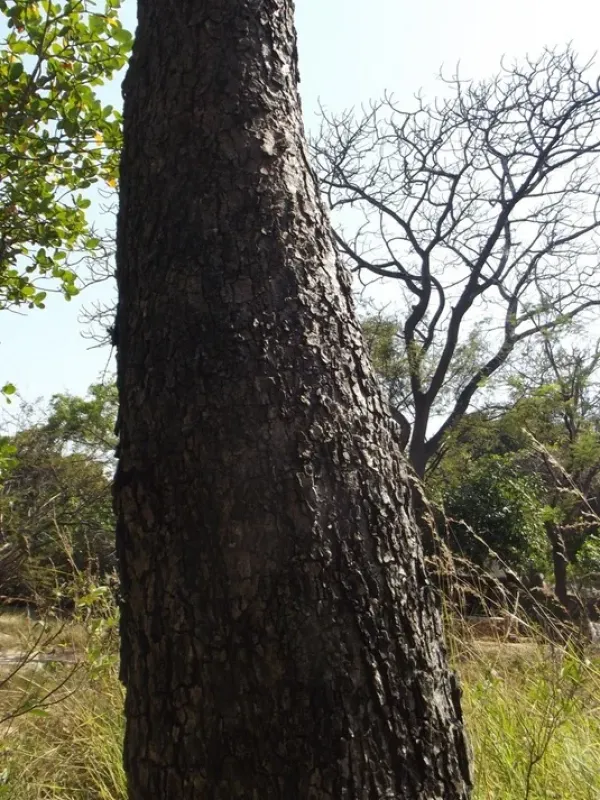
Description
Sowing dates
Propagation of Albizia coriaria is primarily achieved through seeds. Given their hard seed coat, pre-sowing treatments like scarification or hot water soaking are essential to break dormancy and ensure germination.
The ideal sowing time aligns with the onset of the rainy season, which provides the necessary moisture levels for the successful establishment of young seedlings in nursery beds.
In commercial nurseries, seeds are sown in containers or well-prepared seedbeds using loose, nutrient-rich soil at a depth of one to two centimeters.
Young seedlings require partial shade during their initial growth phase to prevent leaf scorching from intense tropical sunlight.
Inoculating seeds with specific nitrogen-fixing bacteria is a recommended practice, as it significantly enhances seedling survival and early vigor in nutrient-poor soils.
Growing requirements
Albizia coriaria is a fast-growing, deciduous tree belonging to the Fabaceae family, capable of reaching heights of up to 30 meters. It thrives in sunny environments.
Native to Eastern and Central Africa, it is commonly found in savannahs, wooded grasslands, and riverbanks at elevations up to 1500 meters above sea level.
This species prefers deep, well-drained loamy soils but displays remarkable resilience to temporary drought once its extensive root system is fully developed.
In agroforestry systems, the tree is highly valued for its nitrogen-fixing capabilities, which improve soil fertility and benefit intercropped agricultural plants.
Its robust root structure makes it an excellent choice for soil stabilization projects, effectively preventing erosion on slopes and near water bodies.
Yield
The primary economic use of Albizia coriaria is its high-quality timber. The wood is durable, termite-resistant, and features a rich dark-brown to reddish hue.
Due to its excellent finishing properties and resistance to decay, the wood is widely used for high-end furniture making, interior joinery, and artisanal carvings.
The bark of the tree is traditionally used in local medicine for its anti-inflammatory properties, serving as a remedy for various gastrointestinal ailments.
In farming landscapes, the tree provides vital shade for livestock and shade-loving crops such as coffee, fostering a stable microclimate.
As a notable honey plant, Albizia coriaria supports local beekeeping, contributing significantly to the livelihood of farmers in its growing regions.
Main diseases and pests
The main threats to young Albizia coriaria plantations include root rot fungi, which often manifest in waterlogged or poorly drained soil conditions.
Defoliating insects and various caterpillar species can cause significant damage to young foliage, resulting in reduced growth rates during the early years.
Mature trees can occasionally be affected by wood-boring beetles, particularly if the trees are stressed by prolonged drought or physical damage to the trunk.
Adhering to proper spacing guidelines is crucial to ensure adequate airflow within the canopy, which naturally helps reduce the risk of fungal outbreaks.
Regular monitoring of tree trunks and leaves for early signs of infection or infestation is essential for maintaining the health of the entire forest stand.
Harvesting
Timber harvesting is typically conducted when trees reach an age of 20 to 30 years, ensuring the trunk has developed sufficient girth for industrial processing.
Sustainable harvesting techniques, such as selective logging, should be strictly followed to preserve the ecological balance and ensure natural forest regeneration.
When collecting bark for medicinal purposes, it is vital to avoid ring-barking, which would interrupt nutrient transport and eventually kill the tree.
Post-harvest management involves clearing debris to prevent the buildup of pathogens and preparing the site for immediate replanting of new saplings.
Maintaining a continuous rotation of planting and harvesting is the key strategy for ensuring the long-term productivity and economic viability of the plantation.