
Tree of heaven
Ailanthus altissima (Mill.) Swingle
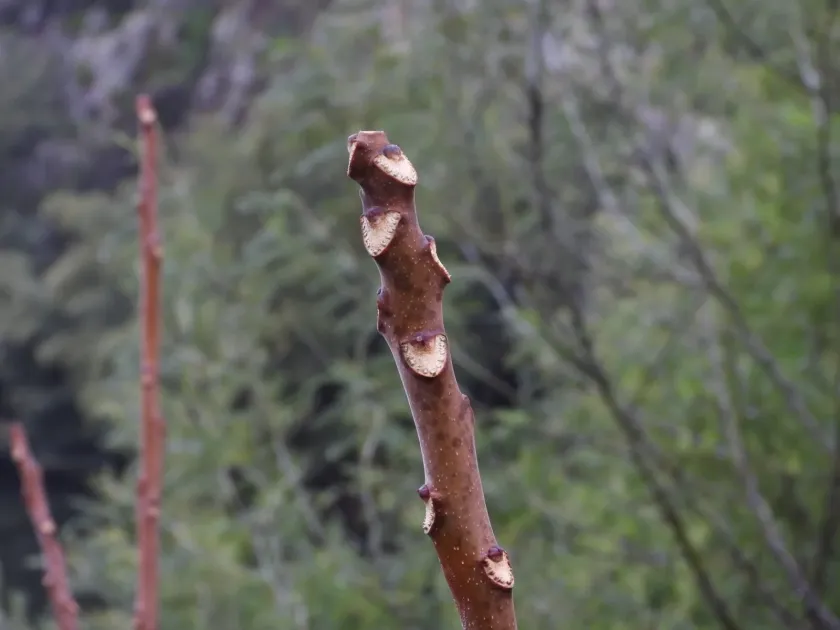
Description
Sowing dates
The Tree of heaven (Ailanthus altissima) is propagated either through seeds or vegetative methods, including root suckers and cuttings. Seeds are typically sown in autumn or spring after a short period of stratification.
When planting in nurseries, seeds should be buried at a depth of 2–3 centimeters. The soil must be thoroughly prepared and weeded to ensure optimal germination and early vigor.
Spacing for forest belts should range from 2 to 3 meters between rows to provide adequate space for the rapid development of the saplings' root and canopy systems.
In natural conditions, the tree displays an aggressive rate of self-seeding, which necessitates strict management when establishing plantations to prevent uncontrolled spreading.
During the first two years, young seedlings require regular irrigation and weeding, as competition from invasive grasses can severely stunt their initial growth.
Growing requirements
The Tree of heaven belongs to the Simaroubaceae family. It is a light-demanding, heat-tolerant species capable of thriving in highly adverse and drought-prone conditions.
The plant demonstrates remarkable adaptability to poor soils, including saline, rocky, and degraded substrates where other species would fail to thrive.
While tolerant of various climates, young shoots may be sensitive to late spring frosts, which should be considered when selecting sites for new cultivation zones.
It prefers well-drained soil and dislikes waterlogged conditions, which can lead to root rot and diminished vitality in mature trees.
The species is known for its incredible growth rate, quickly forming dense stands that are ideal for soil erosion control and windbreak establishment.
Yield
The timber of the Tree of heaven is lightweight and relatively soft, making it suitable for furniture manufacturing, interior wood panels, and pulp for paper production.
The foliage and bark are rich in chemical compounds, including alkaloids, which are investigated for their potential in pharmaceutical applications and natural pesticide development.
It plays a critical role in land reclamation, effectively restoring vegetation on industrial brownfields and areas affected by severe erosion.
High biomass production rates make this species a strong candidate for renewable energy plantations, offering significant returns per hectare in managed stands.
As a prolific nectar producer, it serves as a valuable resource for apiculture, significantly increasing the honey yield in regions where it is cultivated.
Main diseases and pests
The most prominent pest affecting this species is the spotted lanternfly (Lycorma delicatula), which poses a threat not only to the host tree but to surrounding crops.
Fungal pathogens such as Verticillium wilt are known to infect the vascular system, causing branch dieback and, in severe cases, total tree mortality.
Powdery mildew often occurs during humid seasons, affecting the leaf surface and inhibiting photosynthesis, thereby reducing the annual biomass increment.
Wood-boring insects may target stressed trees, necessitating regular sanitary pruning and the removal of compromised timber to protect the health of the entire plantation.
Effective management strategies include the application of targeted fungicides and systemic insecticides in nursery environments to ensure the production of healthy planting stock.