
Agrostistachys indica
Agrostistachys indica
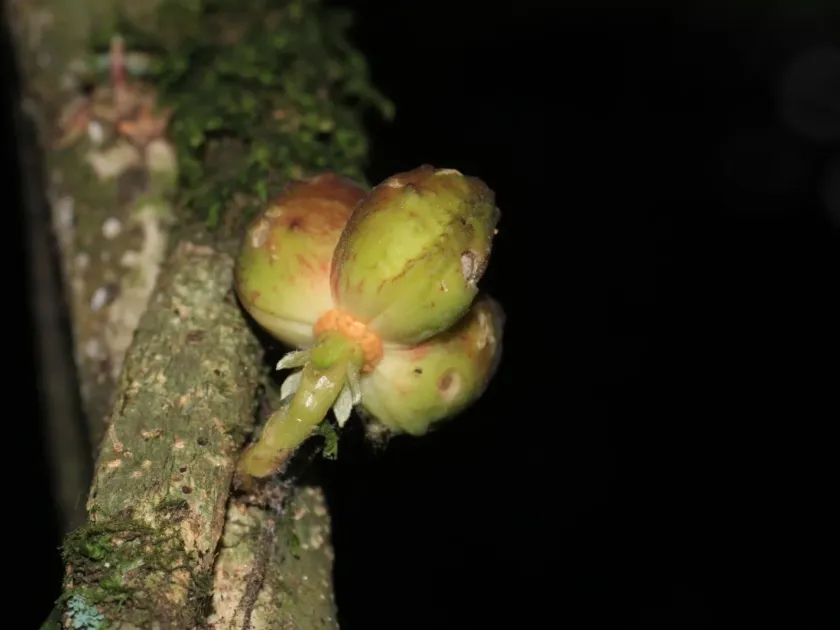
Description
Growing requirements
Agrostistachys indica is a perennial evergreen shrub or small tree belonging to the family Euphorbiaceae. It is recognized for its robust growth habit and distinct foliage, which makes it a notable representative of its genus in the tropical landscapes of Asia.
This species is native to the tropical regions of India, Sri Lanka, and parts of Southeast Asia. It thrives in humid forest environments, typically found in shaded or semi-shaded areas where rainfall is consistent and temperatures remain high throughout the year.
Successful cultivation of Agrostistachys indica requires well-drained, nutrient-rich soil with a slightly acidic profile. Providing adequate soil aeration is paramount, as the root system is susceptible to decay if subjected to prolonged waterlogging in heavy clay soils.
The plant requires moderate to filtered sunlight to maintain its physiological balance. In agricultural settings, it is often treated as a specialized plant that benefits from stable environmental conditions and protection against extreme heat and desiccating winds.
Historically and commercially, the plant has been utilized in local traditional systems and is increasingly being studied for its ecological role in biodiversity conservation. Its aesthetic appeal also allows for limited use in tropical botanical collections and specialized landscaping projects.
Main diseases and pests
The primary threats to Agrostistachys indica include various fungal pathogens that can cause root rot or foliar blight under conditions of excessive soil moisture. Maintaining a balance between hydration and drainage is the most effective preventative measure against such diseases.
Insect pests such as leaf-eating caterpillars, spider mites, and scale insects frequently target this plant. Integrated pest management strategies, focusing on early detection and biological controls, are recommended to preserve the integrity of the foliage and overall plant health.