
Crested Wheatgrass (hybrid)
Agropyron cristatum (L.) Gaertn. x Thinopyrum intermedium (Host) Barkworth & D. R. Dewey subsp. Intermedium
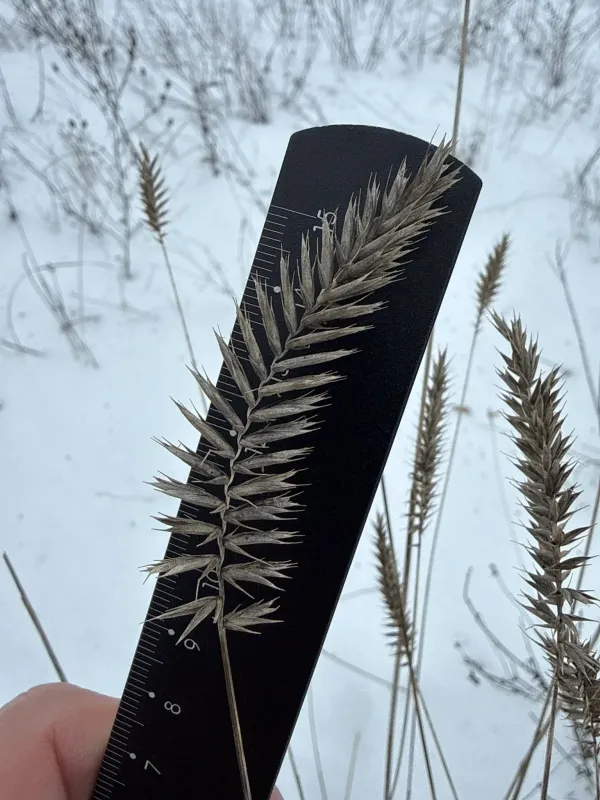
Description
Sowing dates
The optimal sowing time for this crop is early spring, as soon as the soil reaches physical maturity. While summer sowing is possible under conditions of sufficient moisture, spring is preferred for developing a robust root system.
Soil preparation must include deep plowing followed by leveling and rolling, as wheatgrass seeds are small and require firm contact with the substrate. Seeding depth typically ranges from 2 to 3 cm, depending on the soil type.
The seeding rate is calculated based on the intended use: for pure stands, it is 10–12 kg/ha. When included in forage mixtures, the rate is reduced proportionally, taking into account the hybrid's strong competitive nature against other species.
Seedlings emerge 10–15 days after sowing. The crop develops slowly at first, making timely weed control essential, especially during the tillering phase, to prevent competition from invasive species.
Standard row planting is the preferred method for commercial fields to ensure uniform plant distribution. Wide-row spacing is practiced mainly on seed production plots to improve aeration and facilitate crop management.
Growing requirements
This hybrid belongs to the Poaceae family and is known for its exceptional adaptability to arid conditions. It thrives on chestnut and chernozem soils, demonstrating high tolerance to salinity and alkaline conditions.
The crop is extremely drought-tolerant, making it indispensable in steppe and forest-steppe regions. It can withstand long periods without rainfall without losing productivity, maintaining viability even in extreme temperatures.
The plant possesses a well-developed root system capable of penetrating deep into the soil in search of moisture and nutrients. This ensures not only survival but also the ability to regrow rapidly after the first significant rainfall.
Sunlight is a key requirement for this hybrid; it does not tolerate shading and needs open areas for active vegetative development. It performs best on well-drained soil profiles.
Soil fertility requirements are moderate. Thanks to its specific biological traits, the hybrid efficiently utilizes available nutrients even in nutrient-poor soils, reducing the reliance on intensive chemical fertilizer application.
Yield
The green mass yield of the crested wheatgrass hybrid depends on seasonal moisture levels and soil management. In favorable years, the crop can produce high yields of high-quality hay in the first cut.
The average dry matter yield ranges from 30 to 50 centners per hectare. The application of moderate nitrogen doses can increase this output by 20–30% under irrigated conditions.
Stand productivity remains high for 5–7 years, after which a gradual decline in density may occur. Timely fertilization can help extend the productive lifespan of the stand.
The nutritional value is considered high, being rich in protein and fiber, which are essential for the diets of ruminants. A key advantage is that quality indicators are maintained even as the plant matures.
Seed production is stable, making it a viable crop for seed-producing farms. Harvesting is conducted at the stage of full maturity, when the ears take on a characteristic straw color and become firm.
Main diseases and pests
Crested wheatgrass has inherent resistance to many pathogens common to forage grasses. However, during high-humidity seasons, powdery mildew may occur, particularly if the stand is excessively dense.
Rust (both brown and stem rust) can affect the crop if rotation practices are ignored or if infection sources are nearby. Prevention focuses on maintaining optimal stand density to avoid microclimate issues.
Insects like grass flies and grain beetles are the most dangerous, potentially damaging both green biomass and reproductive organs. Monitoring is essential during periods of peak insect activity.
Aphids may infest the crop during dry periods, feeding on young leaf sap. While damage rarely exceeds the economic threshold, heavy infestations may require targeted insecticide treatments.
Crop rotation incorporating legumes and timely harvesting helps reduce the accumulation of soil-borne pathogens and pests. Biological control remains the preferred approach for maintaining ecosystem stability.
Harvesting
The timing for hay harvesting depends on the developmental phase: mowing at the onset of heading ensures maximum nutritional content, as the plant is then richest in protein and sugars.
Delaying the harvest reduces forage quality due to stem lignification. Therefore, it is critical to hit the optimal harvest window, considering the specific growth rates of the chosen hybrid variety.
Drying technology involves regular tedding to ensure uniform moisture removal, which prevents mold. The hybrid is suitable for baling into round or square bales, facilitating transport and long-term storage.
For pasture use, rotational grazing is recommended. This ensures even grazing pressure and prevents overgrazing, encouraging vigorous regrowth after the livestock are moved.
Late summer mowing or grazing should be completed at least 30–40 days before the first persistent frost. This allows plants to accumulate sufficient carbohydrates in the crown nodes to ensure successful overwintering.