
Agauria salicifolia
Agauria salicifolia
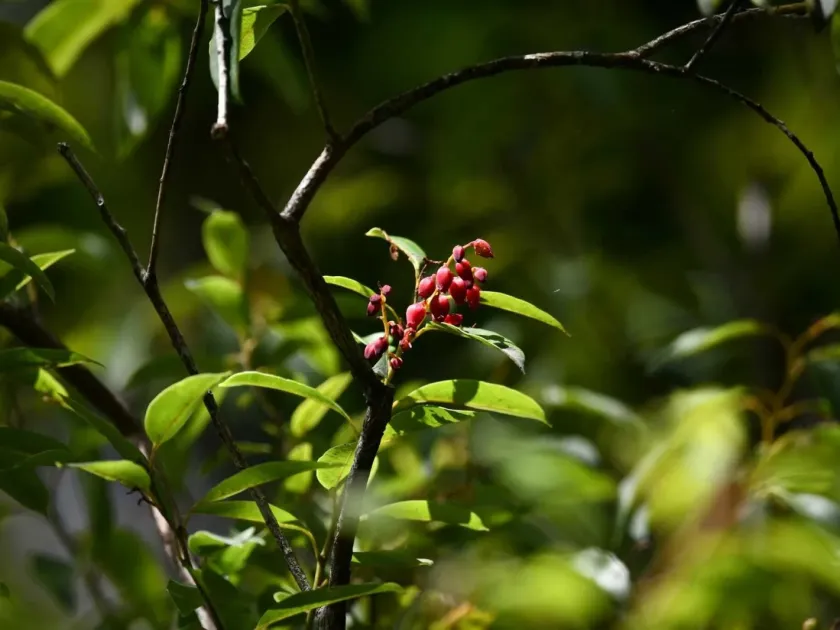
Description
Growing requirements
Agauria salicifolia is an evergreen shrub or tree belonging to the Ericaceae family, widely recognized for its elegant, willow-like foliage. This species originates from the mountainous regions of Eastern Africa and Madagascar, where it thrives in montane forest ecosystems.
Cultivation requires conditions that mimic its native high-altitude environment, specifically cool to temperate climates. The plant is sensitive to temperature extremes and performs best when temperatures remain within a stable, moderate range throughout the year.
Soil requirements for this crop are stringent; it strictly necessitates acidic soils with a pH ranging between 4.5 and 5.5. High levels of organic matter and superior drainage are essential to prevent the root suffocation that often affects members of the Ericaceae family.
Regarding agrotechnical management, regular moisture supply is vital, as the plant cannot tolerate periods of intense drought. Irrigation should be conducted with non-alkaline water to maintain the necessary soil acidity, which is crucial for nutrient uptake.
The plant has gained attention for its potential medicinal properties, particularly in traditional African healing practices. Beyond its pharmacological potential, it serves as an ornamental specimen in specialized collections due to its distinct, lush green appearance.
Main diseases and pests
The primary agronomic threat to Agauria salicifolia is root rot caused by poor drainage and waterlogged soil conditions. Pathogens such as Phytophthora species can cause severe damage if the substrate is not properly aerated.
Insect pests, including various mite species and scale insects, may infest the foliage in glasshouse conditions. Maintaining proper spacing between plants and ensuring active ventilation are fundamental practices for preventing outbreaks of these common plant threats.