
Agauria buxifolia
Agauria buxifolia
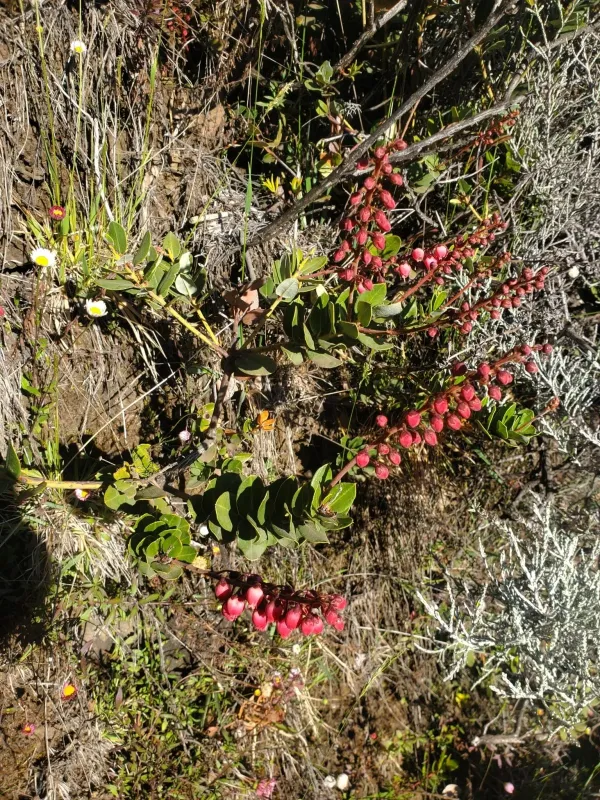
Description
Growing requirements
Agauria buxifolia is a woody evergreen shrub belonging to the Ericaceae family. It is native to the high-altitude regions of Madagascar and La Réunion, thriving in the unique microclimates of montane tropical forests where humidity remains consistently high throughout the year.
The plant has specific soil requirements, preferring acidic, well-draining substrates rich in organic matter. These conditions mirror the natural humus-rich volcanic or forest soils where it is typically found in the wild, often growing in association with other ericaceous species.
Regarding climate, Agauria buxifolia favors moderate temperatures and cannot tolerate severe frost or intense, prolonged drought. It requires high atmospheric humidity to maintain its glossy, boxwood-like foliage, which makes it somewhat challenging for standard agricultural cultivation.
Botanical features include small, leathery leaves arranged oppositely along the stems. The flowers are produced in pendulous racemes and exhibit the characteristic urceolate (urn-shaped) structure, which is a classic trait of many members within the heather family.
It is critical to note the pharmacological nature of this species. Agauria buxifolia contains significant levels of toxic diterpene glycosides. Consequently, it is not considered a traditional agricultural crop and is classified as toxic to livestock, necessitating caution in any landscape management context.