
Aechmea ramosa
Aechmea ramosa Mart. ex Schult. & Schult. f.
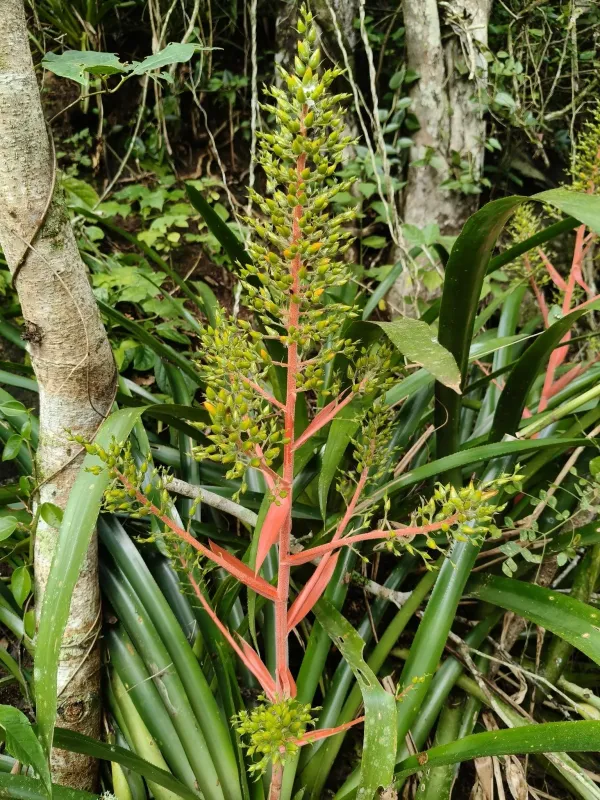
Description
Growing requirements
Aechmea ramosa is a distinct species within the Bromeliaceae family, native to the tropical rainforests of Brazil, where it grows as an epiphyte on tree trunks or in rocky crevices.
The cultural requirements for this plant emphasize the need for a warm environment, ideally between 20°C and 25°C, as extreme fluctuations or cold spells can significantly impact the plant's metabolic processes.
When selecting a growing medium, it is crucial to use a well-draining, loose substrate such as orchid bark mixed with perlite or peat moss, which mimics the epiphytic conditions of its natural habitat.
Light management is a vital component of the agrotechnology for this species; it thrives in bright, filtered light but requires protection from intense mid-day sun, which can scorch the foliage.
Irrigation practices involve filling the central rosette with water while ensuring that the water is replaced regularly to prevent the accumulation of minerals or the onset of stagnant conditions that attract pathogens.
Main diseases and pests
Common pests affecting Aechmea ramosa include scale insects and mealybugs, which tend to congregate in the tight crevices between the leaves, making them difficult to detect in early stages.
Root rot, driven by excessive soil moisture and poor drainage, remains the most critical threat to the longevity of the plant, often leading to the rapid decay of the basal structure.
Spider mites represent a secondary threat, particularly in low-humidity environments, where they cause fine stippling on the leaves and eventually lead to significant foliage damage.
Biological and chemical control measures are effective if applied promptly; systemic insecticides are generally preferred for indoor cultivation to ensure thorough coverage of the hidden leaf areas.
Maintaining high humidity and good air circulation is the best preventative strategy against most physiological disorders and pest infestations for this specific bromeliad variety.