
Aechmea lueddemanniana
Aechmea lueddemanniana (K. Koch) Mez
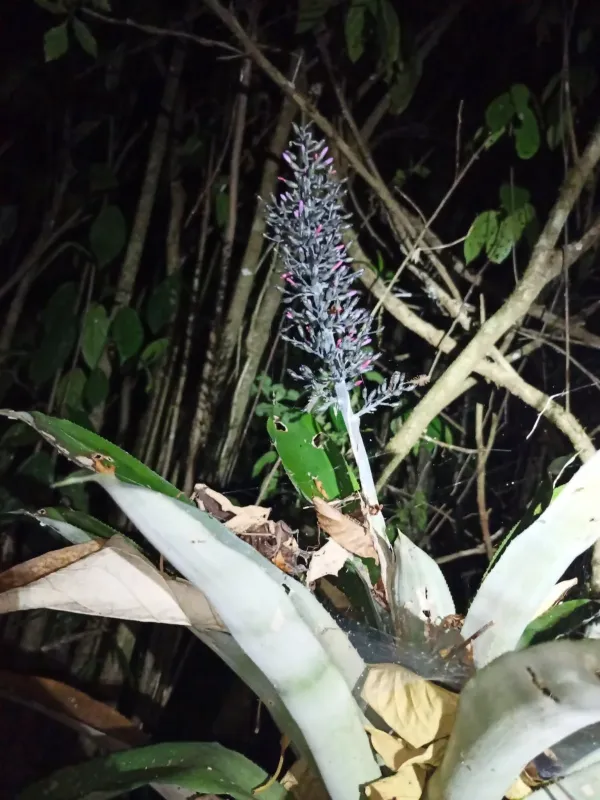
Description
Growing requirements
Aechmea lueddemanniana is a perennial plant belonging to the Bromeliaceae family. Originating from the tropical forests of Central America, primarily Mexico and Belize, this species is widely cultivated for its ornamental properties and unique architecture.
The plant features a rosette-forming habit with stiff, leathery leaves that often display variegated patterns or silver dusting. Its inflorescence is a striking structure consisting of colorful bracts and small flowers, making it a valuable addition to interior landscaping and specialized greenhouses.
Cultivation requirements include bright, indirect light to ensure optimal growth and prevent leaf scorch. The temperature should be maintained between 20°C and 25°C throughout the year, avoiding drafts and extreme fluctuations that could stress the plant.
The substrate must be highly porous and well-draining, similar to an orchid mix. A combination of peat moss, perlite, pine bark, and charcoal is ideal to ensure proper root oxygenation and prevent the accumulation of stagnant water.
Humidity management is vital for Aechmea lueddemanniana. It requires high relative humidity levels, ideally above 60%. Frequent misting or the use of pebble trays with water can significantly enhance the plant's physiological well-being.
Main diseases and pests
Scale insects and mealybugs are the most common pests affecting this species. They typically hide in the leaf axils or on the undersides of leaves, requiring regular inspections and early intervention with systemic insecticides or horticultural oils.
Root rot and crown rot occur frequently if the substrate remains waterlogged for extended periods. To prevent these conditions, it is crucial to allow the top layer of the potting medium to dry out slightly before the next watering session.
Spider mites may become an issue in environments with consistently low humidity and high temperatures. Maintaining good air circulation and cleaning the foliage regularly helps in preventing mite infestations.
Leaf spotting diseases, often caused by fungal or bacterial pathogens, may arise from high humidity combined with poor airflow. Removing affected foliage and improving ventilation is the primary corrective action.
Hard water usage leads to mineral buildup, which can obstruct the stomata and detract from the plant's appearance. Using deionized or filtered water is recommended to maintain the health and aesthetic value of the foliage.