
Adlumia fungosa
Adlumia fungosa
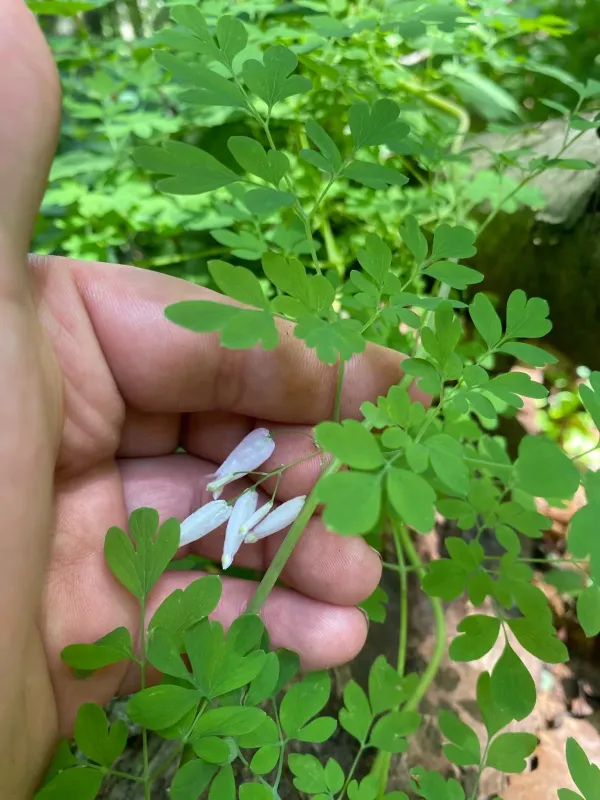
Description
Sowing dates
Adlumia fungosa, commonly known as climbing fumitory, is a biennial plant that requires specific preparation to achieve successful germination and establishment.
Sowing is typically performed in late autumn to allow the seeds to undergo natural winter stratification, which significantly improves the percentage of viable seedlings.
If sowing indoors, seeds should be started in early spring using peat pots, as the plant is notoriously sensitive to root disturbance during transplanting.
The germination period requires steady temperatures between 15°C and 18°C and a moist substrate, but one must be careful to avoid overwatering the delicate seeds.
Once seedlings have developed their second set of true leaves, they should be hardened off before being moved to their final outdoor location.
Growing requirements
Belonging to the Papaveraceae family, this species thrives in partial shade and benefits from locations protected from harsh, direct midday sunlight.
The ideal soil is rich in organic matter, loose, and well-draining, with a neutral or slightly acidic pH level to ensure proper nutrient uptake.
Water requirements are relatively high; the soil should be kept consistently moist throughout the growing season to support the fast-growing climbing vines.
Sturdy trellises or supports are essential, as the plant uses its sensitive leaf petioles to climb, reaching heights of up to 4 meters under favorable conditions.
It prefers a cool, humid climate and may struggle in regions characterized by intense, prolonged heat and extreme aridity during the summer months.
Yield
While not a traditional food crop, the yield of Adlumia fungosa is measured by its ornamental coverage and the density of its intricate, pale pink flowers.
In its second year, a single plant can produce a lush canopy of foliage and blossoms, making it an excellent candidate for covering fences and walls.
Flowering typically commences in mid-summer and continues until the onset of autumn frost, provided the plant is healthy and adequately hydrated.
The plant produces numerous small, pod-like fruits containing black seeds, which are naturally dispersed, often leading to self-seeding in garden environments.
The decorative value is maximized when the plant is grown in a sheltered spot, allowing the delicate clusters of flowers to be viewed without wind damage.
Main diseases and pests
Slugs and snails are the most significant pests for young Adlumia fungosa plants, often devouring the succulent foliage shortly after the seedlings emerge.
Root rot, caused by stagnant water or poor drainage, is a common threat that can lead to the sudden collapse of the entire climbing vine.
Powdery mildew may occur if the foliage remains damp for long periods and air circulation around the plant is insufficient or restricted.
Aphids can occasionally cluster on the growing tips, causing leaf curling and general stunting, which necessitates prompt pest management actions.
General plant health is best maintained by ensuring the base of the plant is kept clear of dense weed competition and debris that could harbor pests.