
Adlumia asiatica
Adlumia asiatica
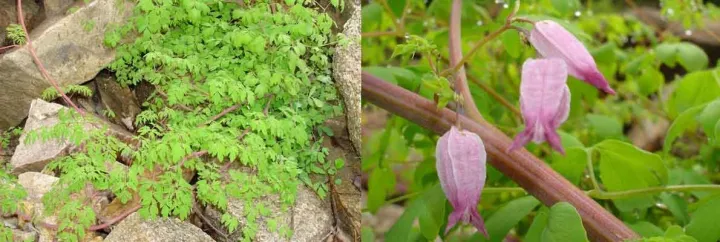
Description
Sowing dates
Adlumia asiatica is a biennial herbaceous plant belonging to the Papaveraceae family. Seeds are typically sown in late autumn or early spring to ensure proper germination.
The seeds require a period of cold stratification to break dormancy, which is why sowing outdoors before winter is highly recommended for optimal results.
When starting indoors, use a well-draining, loose peat-based growing medium to provide the necessary structure for the fragile young roots.
Sowing depth should be shallow, as the seeds are quite small and require light contact to trigger the germination process successfully.
Seedlings should be handled with extreme care during transplanting to protect the sensitive root system, ensuring they settle quickly in their permanent location.
Growing requirements
This plant thrives best in shaded or semi-shaded environments, avoiding intense direct sunlight which can scorch the delicate foliage.
The ideal soil is rich in organic matter, consistently moist, and well-draining, as the plant is sensitive to both extreme drought and waterlogging.
As a climbing vine, Adlumia asiatica requires vertical support such as trellises, fences, or garden netting to reach its full aesthetic potential.
Temperature management is key; the plant prefers cool, temperate conditions and may struggle in regions characterized by prolonged high summer heat.
Regular mulching of the base of the plant helps retain soil moisture and protects the roots during temperature fluctuations throughout the growing season.
Main diseases and pests
Excessive humidity combined with poor ventilation is the primary cause of fungal infections such as root rot and leaf spot diseases.
Aphids are the most common pest observed on young, succulent growth, which can severely stunt the plant's development if not managed promptly.
To combat pests, it is recommended to monitor the plants frequently and use insecticidal soaps or neem oil as a gentle, effective treatment.
Powdery mildew can occasionally appear in late summer; ensuring proper plant spacing will improve air circulation and significantly reduce this risk.
Integrated pest management, including encouraging beneficial garden insects, helps keep the population of harmful pests at manageable levels naturally.
Harvesting
While primarily an ornamental species, harvesting is focused on collecting mature seeds for propagation in future gardening seasons.
Seeds should be gathered when the seed pods have turned brown and brittle, indicating that the seeds inside are fully mature and ready for storage.
After collection, the seeds must be dried in a well-ventilated, shaded area to prevent moisture-related rot and maintain long-term viability.
Storing seeds in breathable paper envelopes in a cool, dry place is essential to protect them from environmental stressors until they are needed again.
Timely harvest is crucial because the pods can split open naturally, scattering the seeds across the garden and leading to unwanted self-seeding.