
Adesmia muricata
Adesmia muricata
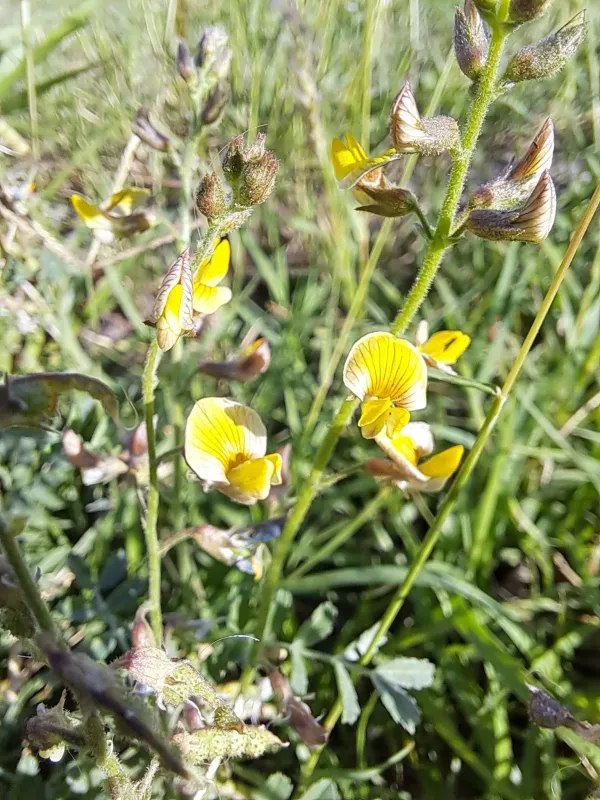
Description
Growing requirements
Adesmia muricata is a perennial herbaceous plant belonging to the Fabaceae family, native to South American ecosystems. This legume is recognized for its ability to thrive in diverse natural conditions, playing a significant role in nitrogen fixation within its habitat.
The botanical architecture of the plant includes pinnate leaves and vibrant yellow flowers. Its growth habit allows it to function effectively as ground cover, protecting the soil surface and contributing to organic matter accumulation over time.
Environmental requirements for Adesmia muricata focus on well-drained soils and adequate sunlight. While it can adapt to various soil types, it performs best in regions where moisture levels remain moderate, avoiding anaerobic conditions caused by waterlogging.
In terms of agricultural utility, this species is highly valued in pastoral farming. Its nutritional profile, rich in proteins and essential minerals, makes it an excellent forage source for grazing livestock, helping to maintain animal health and productivity.
Proper management involves selecting sites that allow for natural reseeding while maintaining soil fertility. Its symbiotic relationship with nitrogen-fixing bacteria serves as a natural fertilizer, reducing the need for chemical inputs in sustainable farming systems.
Main diseases and pests
The primary threats to Adesmia muricata populations are fungal pathogens, particularly root rot, which thrives in poorly drained soil during wet seasons. These diseases can impair the plant's symbiotic nitrogen-fixing ability and decrease overall density.
Insect pests, including various species of weevils and caterpillars, pose a risk during the vegetative and flowering stages. They can damage leaves and reproductive structures, hindering seed dispersal and potential propagation within the pasture.
Overgrazing is a major threat to the long-term viability of this culture. When stocking density exceeds the plant's ability to recover its root reserves, the population density declines, and the crop may be replaced by less desirable invasive species.
Interspecific competition for nutrients and light from aggressive grasses can suppress the growth of Adesmia. Effective pasture management, including rotational grazing, is essential to ensure that the legume remains a dominant component of the vegetation.
Integrated pest management (IPM) practices should be employed to mitigate these risks. Monitoring the pasture for early signs of disease and adjusting grazing cycles are the most effective strategies to maintain the health and vigor of the crop.