
Chamise
Adenostoma fasciculatum
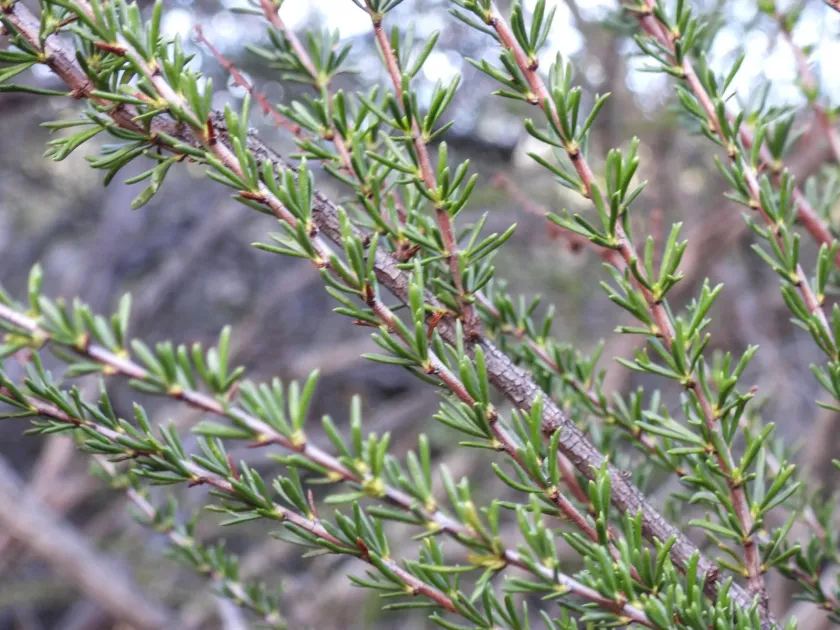
Description
Growing requirements
Chamise, scientifically known as Adenostoma fasciculatum, is a prominent evergreen shrub belonging to the Rosaceae family. It serves as a keystone species within the North American chaparral biome, perfectly adapted to a Mediterranean-like climate.
This plant thrives in well-drained, rocky, or sandy soils that are often nutrient-poor. It requires full sun exposure to maintain its dense foliage and healthy growth patterns, making it highly unsuitable for shaded or damp locations.
The cultural requirements are centered around water management. Chamise is exceptionally drought-tolerant and requires minimal irrigation once established; in fact, overwatering is the primary cause of decline for this species.
Soil structure is critical, as the plant demands significant aeration for its deep-reaching root system. In cultivated settings, the substrate should mimic the natural drainage of rocky hillsides to prevent the development of root-borne pathogens.
Temperature tolerance is high, as the plant is evolved to withstand intense summer heat. It remains dormant during the driest months, protecting its physiological integrity against high evapotranspiration rates.
Main diseases and pests
The most significant threat to Chamise populations is the increasing frequency of catastrophic wildfires. While the species is pyrophytic and adapted to fire cycles, excessive fire frequency can deplete the root crown's energy reserves.
Fungal diseases, specifically Phytophthora root rot, pose a major risk in nursery settings where humidity levels are difficult to control. Proper spacing and airflow are essential management strategies to mitigate these risks.
Pest pressure is relatively low due to the presence of secondary compounds, such as resins and phenolic acids, which act as natural deterrents. However, localized outbreaks of scale insects or aphids can occur in stressed plants.
Improper soil amendments often lead to nutrient imbalances, making the plants more susceptible to secondary infections. Maintaining the natural, low-nutrient balance of the soil is vital for long-term plant health.
Monitoring for signs of wilting is crucial, as early detection of water-related stress can prevent irreversible decline. Integrating sustainable irrigation practices is the best defense against common botanical stressors.