
Adenocaulon himalaicum
Adenocaulon himalaicum
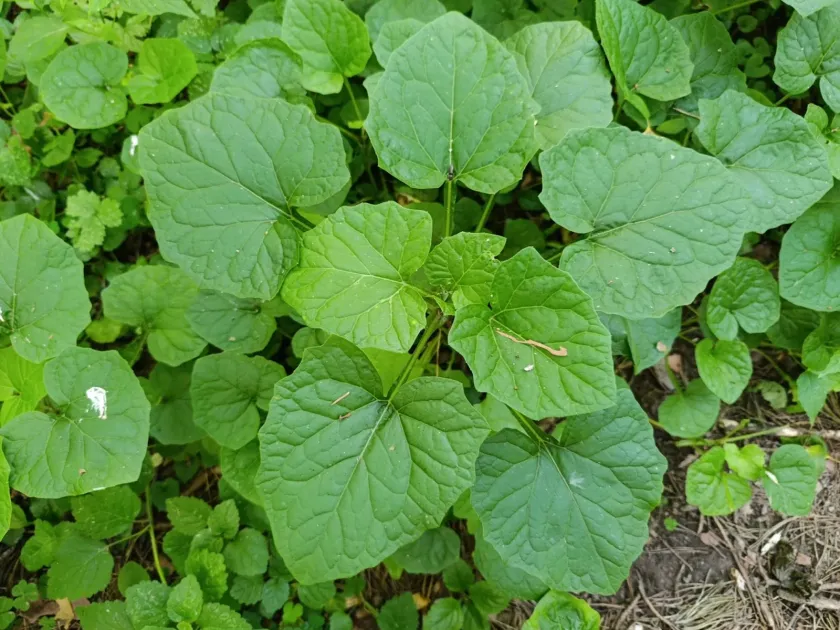
Description
Growing requirements
Adenocaulon himalaicum is a perennial herbaceous plant belonging to the Asteraceae family. Native to the damp forest regions of the Himalayas, this species is adapted to thrive in cool, shaded environments where competition for light is significant.
Botanically, it is recognized by its basal rosettes of large, heart-shaped leaves that are typically covered in a fine, white tomentum on the underside. This pubescence helps the plant conserve moisture, reflecting its adaptation to misty mountain climates.
Cultivation requires specific conditions: rich, humus-dense soil that retains moisture but allows for excellent drainage. The plant performs best in locations that mimic the understory of a deciduous forest, away from intense midday sunlight.
Agricultural techniques focus on moisture management. Regular watering is essential during the active growing season, although the substrate must never become waterlogged to prevent rot of the root system.
In ornamental landscaping, this plant is favored for its foliage texture and unique biological traits, such as sticky glandular hairs on the inflorescences that facilitate seed dispersal. It adds aesthetic value to shaded perennial beds or woodland gardens.
Main diseases and pests
Slugs and snails are the most significant pests for Adenocaulon himalaicum. These mollusks are attracted to the soft foliage, especially in damp conditions, and can cause severe defoliation if not managed through manual trapping or barrier methods.
Powdery mildew is a common fungal threat, typically appearing in mid-to-late summer when humidity is high and airflow around the plant base is restricted. Proper plant spacing is essential to minimize the spread of this disease.
Root rot, caused by overwatering or poor soil structure, can lead to the rapid decline of the plant. Ensuring the planting site has a high percentage of organic matter mixed with grit or perlite will improve long-term viability.
Aphids occasionally target the tender new growth or developing flower stalks. While usually not fatal, heavy infestations can weaken the plant, making it more susceptible to environmental stressors.
Integrated pest management is recommended to maintain plant health. This includes monitoring for early symptoms of distress and applying targeted, non-persistent treatments only when biological control methods prove insufficient.