
Adenandra uniflora
Adenandra uniflora
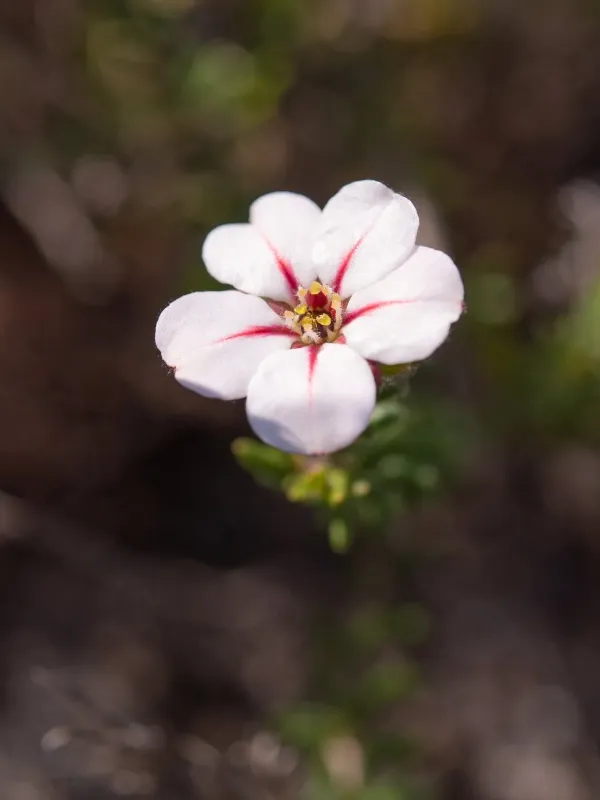
Description
Sowing dates
Adenandra uniflora is a member of the Rutaceae family and is typically propagated by seeds gathered after the flowering season in its native habitat.
Seeds should be sown in a sterile, well-draining sandy medium to prevent damping-off, which is a common issue for young seedlings.
Germination requires consistent warmth and high humidity levels, often best achieved under mist propagation or in a sealed greenhouse container.
Seedlings are notoriously delicate and require careful handling during the transplanting phase to avoid damaging the sensitive root hairs.
Gradual acclimatization to lower humidity is necessary once the first true leaves have developed to ensure long-term plant vigor.
Growing requirements
Originating from the Cape region of South Africa, this plant thrives in acidic, well-drained soils that mimic its natural mountainous environment.
It requires bright, filtered light and cannot tolerate the harsh, direct sun during the peak of summer, which may scorch the foliage.
Watering must be precise; use only soft or acidified water as the plant is highly sensitive to the high mineral content found in tap water.
The root zone needs adequate airflow, so utilizing high-quality porous pots and a potting mix rich in organic matter is highly recommended.
Climate control is crucial, as the species does not tolerate hard frosts and requires a stable, temperate environment to reach full maturity.
Main diseases and pests
Spider mites are the most significant pest concern, thriving in the warm, dry conditions that often occur in indoor or greenhouse cultivation.
Mealybugs can also infest the dense foliage, hiding in leaf axils and extracting essential nutrients from the plant's vascular system.
Fungal root diseases are a major threat, usually triggered by poor drainage or overwatering during the cooler winter months when growth slows.
Maintaining proper hygiene by removing dead plant debris and ensuring good ventilation is essential to minimize the risk of fungal outbreaks.
Early identification of pest presence is vital, as the plant reacts poorly to heavy chemical pesticide applications if infestation becomes severe.