
Adenandra umbellata
Adenandra umbellata
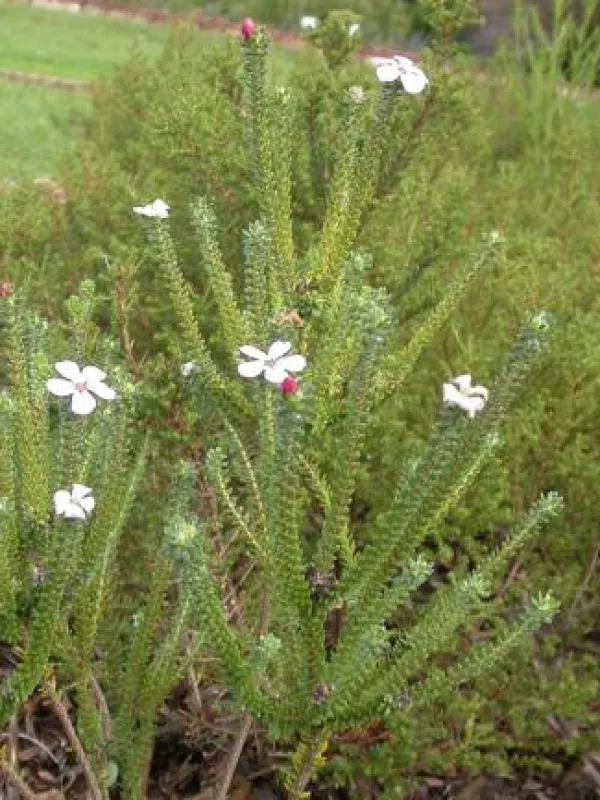
Description
Sowing dates
Adenandra umbellata, a member of the Rutaceae family, is a perennial evergreen shrub. Sowing seeds of this crop requires specific environmental conditions that closely mirror its natural habitat in the Cape Region of South Africa.
The optimal time for sowing is early spring when daylight hours begin to increase significantly. In controlled environments like greenhouses, maintaining a stable temperature range of 18-22 degrees Celsius is essential for germination.
The seeds of Adenandra have a tough seed coat, so scarification or stratification in a moist medium for several weeks is highly recommended to improve germination rates.
The growing medium must be light and well-draining, consisting of a mix of loam, coarse sand, and peat with the addition of perlite. This structure is vital to prevent moisture stagnation around the young roots.
The sowing depth should not exceed 0.5–1 cm, as deeper burial significantly reduces the emergence of seedlings. After sowing, containers should be covered with clear plastic to maintain high humidity.
Growing requirements
Adenandra umbellata is highly sensitive to light levels: for healthy development and blooming, the plant requires bright, indirect sunlight for at least 8–10 hours each day.
The plant prefers acidic or neutral soils with excellent drainage properties. Water stagnation is fatal to the root system, making the installation of a drainage layer a mandatory step during planting.
This crop has low frost tolerance; therefore, in temperate regions, it is best grown as a container plant that can be moved into greenhouses or protected areas during the winter months.
Consistent, moderate watering with soft, room-temperature water is crucial for growth. Excessive soil moisture leads to fungal infections common in many species of the Rutaceae family.
- Good ventilation in greenhouse or outdoor settings.
- Regular feeding with balanced liquid fertilizers during the active growing season.
- Maintaining air humidity levels between 60-70%.
Main diseases and pests
The primary threats to Adenandra umbellata include root rot, often caused by poor watering practices and inadequate substrate aeration. Overwatering creates ideal conditions for various pathogenic fungi.
When grown in protected environments, the plant is frequently attacked by spider mites and mealybugs. These pests thrive in low-humidity conditions with poor air circulation.
To prevent pest infestation, regular inspection of the underside of leaves and periodic misting of the canopy with clean water are highly recommended practices.
If initial signs of disease appear, immediately reduce watering, aerate the top layer of the soil, and apply systemic fungicides if necessary to control the spread.
Effective biological protection relies on strict quality control of planting material and adhering to rigorous sanitary standards within the greenhouse to prevent the emergence of harmful insects.