
Actinostemma lobatum
Actinostemma lobatum
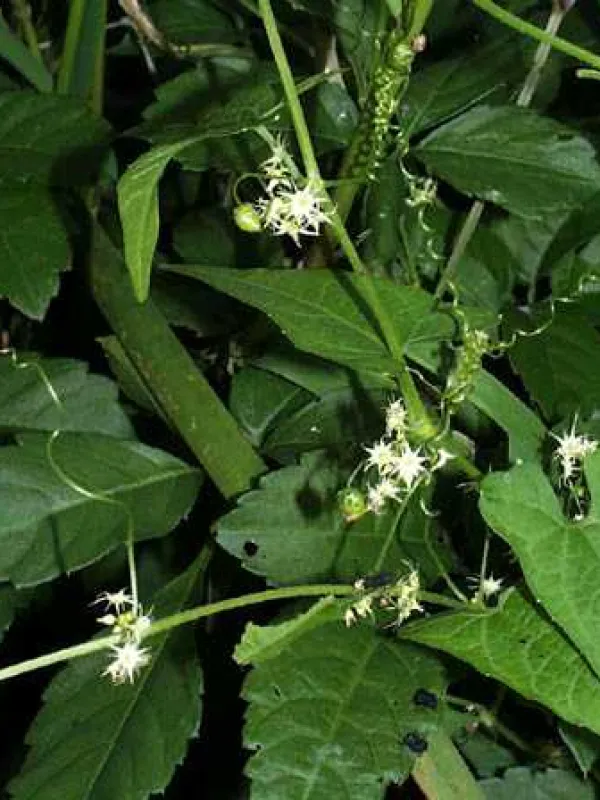
Description
Sowing dates
Actinostemma lobatum is an annual climbing vine belonging to the Cucurbitaceae family. In agricultural and ornamental practice, seeds are typically sown in open ground during the month of May, once the soil has warmed significantly and the risk of frost has passed.
For regions with shorter growing seasons, starting seeds indoors in individual peat pots during late April is a viable option. This method provides a head start, ensuring the plant establishes well before the heat of mid-summer.
Seeds should be planted at a depth of 2 to 3 centimeters, with adequate spacing to allow for the rapid expansion of the vine's tendrils and foliage. A well-drained, nutrient-rich substrate is essential for uniform germination.
The plant demonstrates vigorous growth, often requiring vertical support systems such as trellises, netting, or fences. Once the seedlings reach a height of 10-15 centimeters, they begin to develop the characteristic tendrils that enable them to climb effectively.
Proper timing of sowing ensures that the plant completes its life cycle before the onset of autumn frost. Storing seeds in a cool, dry place preserves their viability for several seasons, facilitating reliable crop renewal.
Growing requirements
Actinostemma lobatum thrives in sunny locations but benefits from light shade during the hottest hours of the day. This balance prevents leaf scorch while ensuring the plant receives sufficient energy for rapid vegetative development.
The soil should be fertile, loose, and rich in organic matter to support the rapid growth of the vine. Neutral to slightly acidic pH levels are generally considered ideal for this species in most agricultural settings.
Consistent moisture is critical for the plant, particularly during the flowering stage. However, it is essential to avoid waterlogging the roots, as stagnant water can lead to root rot and other physiological issues.
Regular fertilization with balanced nutrients helps sustain the vine's intense growth rate throughout the summer. Using liquid fertilizers during the irrigation process is an efficient way to deliver nutrients directly to the root zone.
Good air circulation is vital for maintaining plant health. Planting in an area with good natural breeze helps to minimize the accumulation of humidity within the foliage, which is a key factor in disease prevention.
Main diseases and pests
Spider mites and aphids are the most common pests that affect Actinostemma lobatum. These pests are particularly active during dry spells and can significantly weaken the plant if not managed promptly through appropriate control measures.
Powdery mildew is a prevalent fungal disease characterized by a white, flour-like coating on the foliage. It often occurs in environments with high humidity and poor air circulation, necessitating the use of fungicides or improved cultural practices.
Root rot, often caused by over-irrigation or heavy, poorly drained soils, can cause sudden wilting and plant decline. Maintaining a proper irrigation schedule is the primary method of preventing this detrimental condition.
Viral infections can sometimes occur, manifesting as distorted leaf growth or mosaic patterns. Because these are transmitted by insects, monitoring and controlling vectors like aphids is a crucial preventative step for plant health.
Integrated pest management, including regular scouting and the use of natural predators, helps maintain the vine's vitality. Removing heavily infested plant parts early can often prevent the spread of localized outbreaks to the entire vine.