
Acroglochin persicarioides
Acroglochin persicarioides
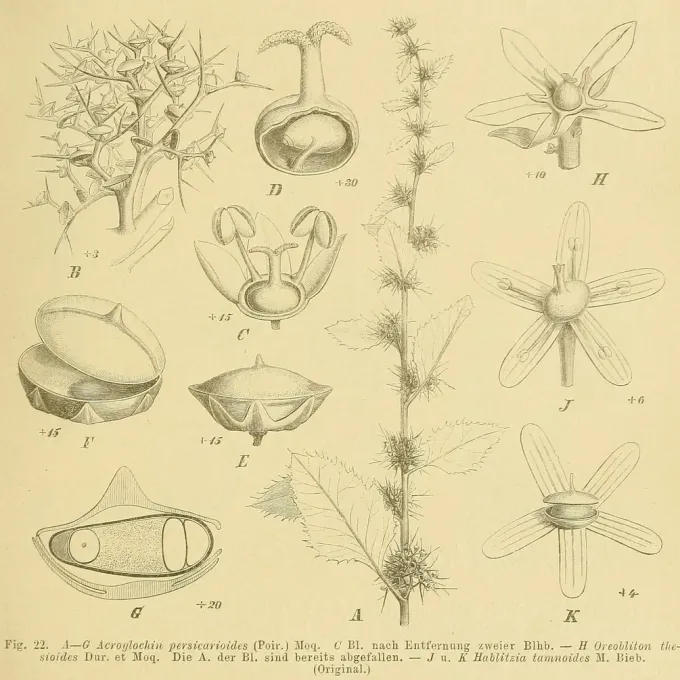
Description
Sowing dates
Acroglochin persicarioides belongs to the Amaranthaceae family and is recognized as an annual herbaceous plant that typically initiates growth during the spring season.
The optimal time for sowing is when soil temperatures consistently remain above 10 degrees Celsius, ensuring favorable conditions for seed germination and initial seedling vigor.
Seeds should be planted at a shallow depth of 2 to 3 centimeters in well-prepared, friable soil to ensure maximum contact with moisture and facilitate rapid emergence.
Agricultural management requires careful seedbed preparation to prevent weed competition during the critical early growth stages, as the plant needs space to establish its root system.
The growth cycle is relatively fast, allowing the crop to achieve significant biomass production within a few months, provided that moisture and nutrient requirements are met.
Growing requirements
This species thrives in temperate climates and prefers well-drained, fertile soils with high organic matter content, which supports its robust vegetative development.
Acroglochin persicarioides is a photophilous plant, meaning it requires full exposure to direct sunlight to reach its maximum productivity and optimize its physiological processes.
Adequate moisture levels must be maintained throughout the growing season, although the plant shows moderate tolerance to occasional drought once it is well-established.
Soil structure is critical; loamy soils with good aeration promote healthier root systems and prevent waterlogging, which the plant is sensitive to during its early life stages.
Nutrient management should focus on balanced NPK fertilization, with an emphasis on nitrogen to encourage leaf growth if the plant is being utilized for forage purposes.
Main diseases and pests
Common plant diseases include fungal infections such as powdery mildew, which can significantly damage the foliage if environmental conditions are overly humid.
Pests such as aphids and various species of leaf beetles are known to feed on the tender tissues, potentially weakening the plant if infestations are not controlled promptly.
Root rot caused by soil-borne pathogens is a common threat in poorly drained areas, often leading to stunted growth and premature plant death in affected patches.
Integrated pest management strategies are recommended, including the use of certified seeds and maintaining appropriate crop spacing to ensure good air circulation.
Regular monitoring for early signs of infection or infestation is essential, as early intervention can prevent the spread of diseases and minimize the need for chemical treatments.