
Aconogonon
Aconogonon
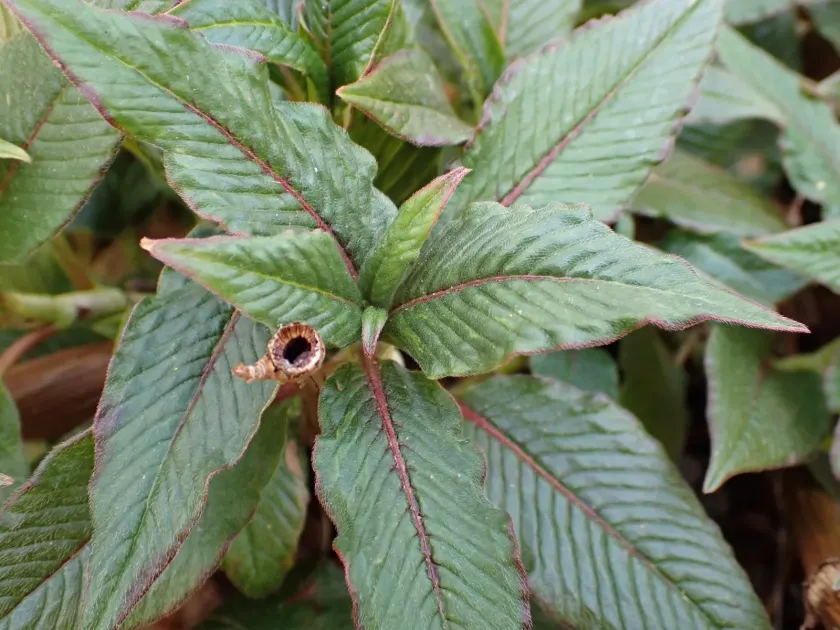
Description
Sowing dates
Sowing of Aconogonon, a member of the Polygonaceae family, is typically scheduled for the spring season once the soil warms up to 8–10 degrees Celsius. In temperate climate zones, the end of April or the first decade of May is considered optimal, ensuring sufficient soil moisture for uniform seed germination.
The plant can be propagated both by seeds and by vegetative division of the rhizomes. When sowing seeds, it is crucial to maintain a planting depth of no more than 2–3 centimeters, as the seeds have moderate germination energy and require firm contact with moist soil to thrive.
Preparation of the site begins with deep autumn plowing and the application of organic fertilizers, as the plant develops a robust root system. In the spring, the field is harrowed to retain moisture and create the fine-grained soil structure necessary for shallow seed placement.
During the first year, the crop develops relatively slowly while focusing on underground biomass accumulation. Therefore, it is essential to keep the field free of weeds, which could otherwise suppress young seedlings during the critical early establishment phase.
Planting density depends on the intended use: for seed production, wider row spacings of up to 70 centimeters are left, while for green biomass, denser row or strip-planting patterns are preferred to maximize yield.
Growing requirements
Aconogonon is a resilient plant well-adapted to temperate conditions. It prefers fertile, well-aerated loamy soils with a neutral or slightly acidic reaction, and should be grown on sites that do not experience prolonged waterlogging.
The crop shows a high requirement for moisture, especially during the active vegetative growth phase in late spring and early summer. Despite some drought tolerance, maximum productivity is observed in areas with consistent access to groundwater or moisture.
Light intensity is a critical factor for biomass accumulation and the synthesis of essential nutrients. While Aconogonon can tolerate minor shading, it performs best in open, sunlit areas, which promotes intensive photosynthesis and vigorous development.
The plant is undemanding regarding temperature, demonstrating excellent winter hardiness. Its powerful root system allows it to survive harsh winters effectively, leading to rapid regrowth as soon as the first spring warmth arrives.
The application of mineral fertilizers, particularly nitrogen, significantly accelerates biomass growth during the growing season. Aconogonon responds well to organic matter, making it suitable for improvement of depleted soils through regular compost or manure application.
Yield
The green biomass yield of Aconogonon can reach high levels with proper care, making it a promising fodder crop. Depending on agricultural management and climate conditions, it is possible to harvest between 40 and 60 tons of biomass per hectare each season.
Peak production is usually observed in the 3rd or 4th year after planting, once the plant has reached full biological maturity. In subsequent years, yields stabilize provided that proper rejuvenation of the plantations and regular fertilization are carried out.
The nutritional value of the harvest is determined by the growth stage: the highest protein and sugar content is recorded just before flowering. Late harvesting leads to stem lignification and a decrease in the overall digestibility of the feed.
The use of modern hybrid varieties can increase yields by 15–20 percent compared to wild populations. Breeding efforts currently focus on increasing leafiness, which directly enhances the quality of the final forage product.
When used as a honey plant, yield is measured by nectar output, which is abundant and easily accessible for pollinators. This makes Aconogonon a valuable asset for apiary surroundings in regions with developed beekeeping industries.
Main diseases and pests
Aconogonon is highly resistant to most common agricultural diseases, although excessive moisture can lead to outbreaks of powdery mildew. Preventive measures include maintaining optimal planting density and ensuring good field ventilation.
Root rot may occur in cases of prolonged soil saturation or if the site was poorly chosen with heavy, prone-to-sealing soils. Timely drainage and inter-row cultivation are the primary methods for managing these phytopathologies.
Pests rarely cause economically significant damage to the crop, as specific chemical compounds within the plant deter many insects. Occasionally, aphid infestations may occur on young shoots during particularly dry periods.
Slugs can pose a threat to young plants in the early development stages, especially during cool and damp springs. Using physical barriers or minimal tillage practices helps to significantly reduce pest pressure.
Strict adherence to agronomic standards, including crop rotation and weed control, minimizes the need for chemical inputs. The plant is considered environmentally friendly, as it does not typically require frequent pesticide applications.
Harvesting
Harvesting Aconogonon for green biomass is conducted during the budding phase, when the plant contains the highest concentration of nutrients. Mowing is performed using standard forage harvesters or mowers, adjusted to the appropriate cutting height.
For multi-cut systems, it is vital to leave a stubble height of about 10–15 centimeters to ensure the plants survive the winter successfully. Cutting too low can weaken the root system and lead to a thinning of the stand over time.
Drying the biomass requires care due to the high moisture content in the succulent stems. Methods often involve field wilting followed by supplemental drying in specialized facilities to preserve essential carotene and vitamins.
Seed harvesting occurs during full maturity when the flower panicles turn brown. It is important to harvest before mass shedding occurs, using two-stage harvesting methods with preliminary swathing to minimize losses.
Storage of the finished product should take place in dry, well-ventilated areas to prevent mold growth. With proper harvest management, Aconogonon remains a valuable and highly nutritious feed component for livestock during the winter months.