
Achyrospermum wallichianum
Achyrospermum wallichianum
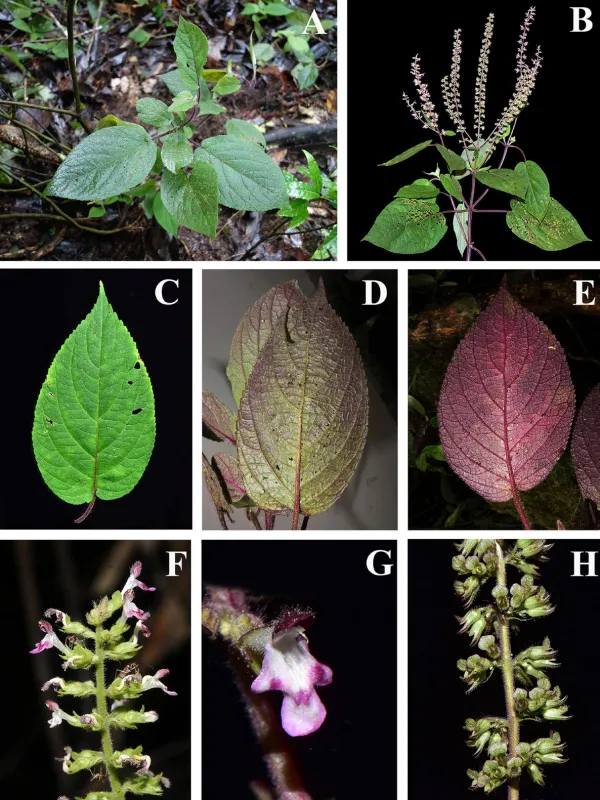
Description
Growing requirements
Achyrospermum wallichianum is a species belonging to the Lamiaceae family. This perennial herbaceous plant is native to the mountainous forest regions of Asia, specifically areas with high humidity and moderate temperatures.
The plant thrives in nutrient-rich, well-draining soils that are high in organic content. It is typically found in the understory of forest ecosystems, which dictates its preference for filtered or partial sunlight rather than direct exposure.
Environmental requirements include a consistent moisture supply. Unlike many other crops, it does not tolerate waterlogging, which necessitates careful soil structure management and potentially raised beds in heavier soil types.
Climate needs are strictly tropical or subtropical. It lacks frost tolerance, making it suitable for cultivation primarily in regions where temperatures remain consistently above freezing throughout the year.
Botanical traits include distinctive leaf arrangements and inflorescences typical of the mint family. The plant's architecture often reflects its adaptation to low-light levels, resulting in expansive foliage development.
Harvesting
The primary economic use of Achyrospermum wallichianum relates to its ethnobotanical properties. In its native range, the plant is harvested for use in traditional practices due to its bioactive chemical profile.
Harvesting involves carefully selecting the vegetative parts of the plant. Sustainable harvesting techniques, such as pruning rather than total removal, ensure the longevity of the perennial stands.
Post-harvest handling is critical to preserving the medicinal quality of the foliage. Shade drying is the standard procedure, preventing the loss of volatile essential oils through excessive heat exposure.
Proper storage is essential to maintain the integrity of the harvested material. Using moisture-proof and light-protected containers helps prevent the degradation of chemical constituents over time.
Current agricultural focus remains on documenting the plant's medicinal potential and determining the optimal spacing and nutrient management strategies to maximize biomass yield in controlled environments.