
Taron maple
Acer taronense
Description
Growing requirements
The Taron maple (Acer taronense) is a distinctive tree species belonging to the Sapindaceae family. It is native to the high-altitude mountainous regions of Southeast Asia, particularly thriving in the Yunnan province of China and parts of Tibet.
The culture requires deep, well-drained, and nutrient-rich soils to support its moderate growth rate. It prefers a temperate climate with protection from harsh direct afternoon sun, which can scorch the delicate foliage of young trees.
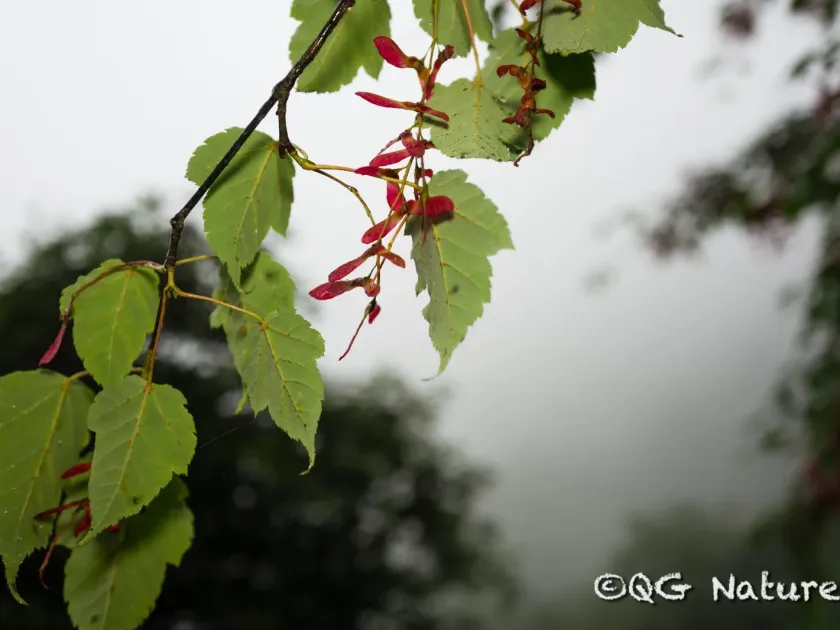
Botanically, it is recognized by its specifically shaped, lobed leaves and a dense, structural crown. The tree is adapted to mountain slopes, possessing a robust root system that helps anchor it against environmental stresses in its native habitat.
For successful cultivation, nursery managers must ensure consistent moisture levels, especially for young saplings. Mulching the base of the tree is highly recommended to regulate soil temperature and prevent rapid moisture evaporation during dry spells.
Landscape professionals utilize the Taron maple primarily for its high ornamental value in specialized gardens and arboretums. Its unique aesthetic profile makes it a desirable specimen for high-end forestry and decorative landscaping projects.
Main diseases and pests
Fungal diseases such as powdery mildew pose a significant threat to the Taron maple, particularly in environments with poor air circulation or consistently high humidity. Proper spacing between trees is essential for disease prevention.
Pests like aphids and spider mites frequently target the tender young leaves during the peak growing season. Growers should monitor tree health regularly and apply appropriate integrated pest management strategies if infestations occur.
Root rot is a major risk factor if the tree is planted in heavy soils or areas prone to waterlogging. Implementing a robust drainage system within the planting site is a mandatory step for the long-term survival of the species.
Sunscald on the trunk can be problematic for younger trees that are not sufficiently shaded. Wrapping the trunks of young trees in protective materials during their first few years can prevent this type of tissue damage.
Maintaining the health of the Taron maple involves routine sanitary pruning to remove dead or diseased branches. This practice not only improves the tree's appearance but also reduces the likelihood of spreading pathogens throughout the canopy.