
Acanthophyllum cerastioides
Acanthophyllum cerastioides (D. Don) Madhani & Zarre
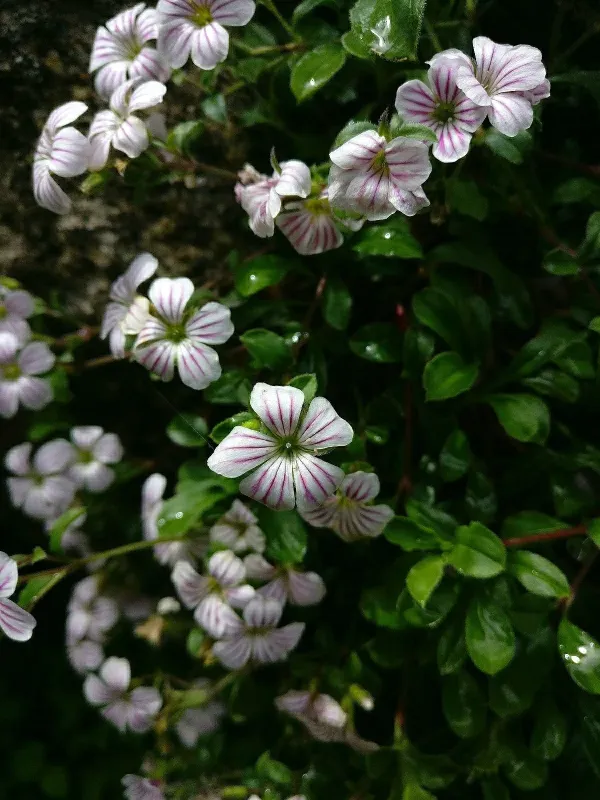
Description
Sowing dates
Acanthophyllum cerastioides requires specific conditions to initiate germination, reflecting its natural high-altitude origin. Seeds should be sown in the autumn to undergo natural cold stratification, or kept in cool storage before spring sowing to ensure a high germination rate.
The planting medium must be highly porous, consisting of a mix of sand, grit, and loam. Seeds are light-dependent and should be covered only very thinly with fine substrate; burying them too deeply will prevent emergence and lead to seed rot.
Seedlings develop slowly, focusing initially on root architecture rather than foliage. Maintaining a cool, well-ventilated environment is essential during the early stages of growth to prevent damping-off, a common issue for this species.
Transplanting young plants requires extreme care due to the sensitive nature of their taproot system. It is best to use deep, individual pots if growing in a nursery setting to avoid root congestion before moving them to the permanent field site.
Standard field spacing should allow for maximum airflow between plants. This helps minimize the risk of humidity-related diseases and ensures that each individual has enough space for its mature, spreading habit.
Growing requirements
This species thrives in environments that mimic its native alpine habitat. Full sun is mandatory for optimal growth, as the plant relies on intense solar radiation to maintain its compact form and produce secondary metabolites, including saponins.
Soil requirements are strict regarding drainage. Acanthophyllum cerastioides is highly adapted to rocky, calcareous, or sandy soils with a neutral to slightly alkaline pH. Any tendency for the soil to retain water will prove fatal to the plant.
Climatic adaptability includes a high tolerance for temperature fluctuations, but the plant is sensitive to prolonged high humidity. It excels in regions with dry, crisp air, which prevents fungal pathogens from settling on the dense, cushion-like foliage.
Irrigation must be infrequent and deep, allowing the soil to dry out completely between waterings. Overwatering is the most common cause of crop failure, as the root system quickly succumbs to rot in stagnant moisture.
Nutritional needs are modest. Excessive fertilizing, particularly with nitrogen, will lead to soft, succulent growth that is susceptible to winter kill and pest attacks. A low-potency, balanced mineral fertilizer applied in early spring is usually sufficient.
Main diseases and pests
Root rot and crown rot are the primary threats to this crop. These are almost exclusively caused by poor drainage or high ambient humidity. Improving site drainage and using gravel mulching around the root collar are essential management practices.
Pests such as spider mites can infest the foliage during hot, dry spells. Monitoring is crucial, and early intervention with soft soap or botanical oils is recommended before the infestation reaches a level that affects the plant's health.
Aphids occasionally target the tender growing tips of the plants. Their presence should be managed through physical removal or by introducing beneficial predatory insects if the cultivation is performed under organic standards.
Weed control is vital because this species does not compete well with vigorous grasses or broadleaf weeds. Mechanical weeding is preferred, though caution must be taken to avoid damaging the shallow, wide-spreading root system.
- Regular site monitoring for early signs of fungal infection.
- Effective weed management to ensure optimal air circulation.
- Avoidance of overhead irrigation to keep the foliage dry.