
Trachystemon orientalis
Trachystemon orientalis (L.) G. Don
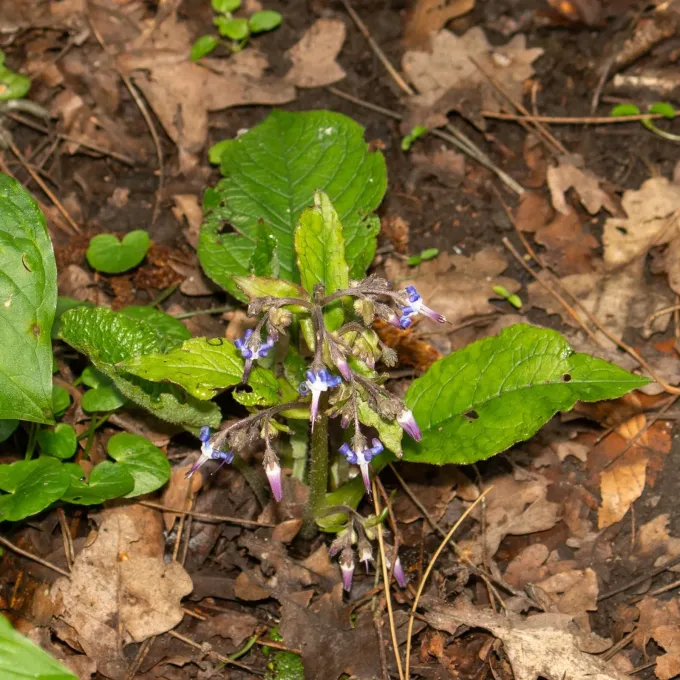
Description
Sowing dates
Trachystemon orientalis is a perennial herbaceous plant belonging to the Boraginaceae family. In agricultural practices, the most efficient method of propagation is vegetative, specifically by dividing mature rhizomes into smaller segments.
Planting of the divisions is best performed in early spring before the start of the active growing season or in late summer. The rhizomes are highly vigorous and quickly establish themselves in the soil, allowing for the rapid formation of dense ground cover.
Seed propagation is less common due to uneven germination rates. When using seeds, they should be sown before winter to ensure natural stratification, which is necessary for successful emergence during the following spring.
Because the plant possesses a strong, spreading root system, it is advisable to provide ample space between plants, ideally about 40 to 50 centimeters apart, to facilitate optimal growth and leaf development.
Due to its ability to outcompete weeds through dense foliage, it is often utilized as a ground cover plant in shaded areas, effectively reducing the need for intensive maintenance and weeding.
Growing requirements
Trachystemon orientalis is a classic shade-tolerant species. Originating from the deciduous forests of the Caucasus and Turkey, it thrives in environments with dappled sunlight or deep shade beneath tree canopies.
The plant prefers loose, fertile soils rich in organic matter. While it is highly moisture-loving, it requires a well-drained substrate to prevent stagnant water, which can be detrimental to its root system.
In terms of climate, the plant is remarkably hardy. It can withstand significant cold temperatures during winter, making it suitable for cultivation across various temperate climate zones without the need for winter protection.
To maintain intensive foliage production, it is essential to ensure that the soil does not dry out completely during the summer. Mulching with organic matter is highly recommended to preserve soil moisture levels.
Although the plant is quite self-sufficient, initial soil preparation with compost is beneficial to provide the necessary nutrients for the plant's robust development and long-term vitality.
Main diseases and pests
Trachystemon orientalis is known for its excellent resistance to pests and diseases. Under proper horticultural conditions, the plant is remarkably robust and rarely requires the application of chemical pesticides.
The primary concern for growers is the presence of slugs and snails, which may graze on the young, succulent leaves in early spring. Protective measures, such as manual collection or traps, are usually sufficient.
Fungal diseases like powdery mildew may occur only in overcrowded plantations with poor air circulation during excessively hot and dry summer months, which is prevented by proper spacing.
Root rot is generally limited to cases of severe waterlogging in poorly drained soil during cold, damp seasons. Ensuring adequate soil structure and drainage is the best prophylactic measure.
Overall, the plant is considered to be phytosanitary stable. By selecting the right site and maintaining adequate soil conditions, growers can easily avoid most potential health issues for this crop.
Harvesting
The primary agricultural interest in Trachystemon orientalis lies in its young leaves and stems, which emerge early in the spring. They are highly valued as a fresh, nutritious green vegetable for early seasonal consumption.
In culinary applications, the tender leaves are often used in salads or prepared similarly to spinach. Their flavor is mild and refreshing, often described as having a pleasant, cucumber-like quality.
Beyond its culinary use, the plant is an excellent early-season honey source. Its flowering period provides a critical food resource for bees during the early spring, which is vital for the development of local apiaries.
Harvesting for food should be conducted before the plant begins its main flowering phase, as the leaves tend to become tougher and less palatable once the plant reaches maturity and produces seeds.
After the harvest period, the plant continues to provide value as an attractive, deep green ground cover that remains visually appealing throughout the summer and autumn months.