
Technical Aspects of Using Bandur: Proper Spraying and Soil Preparation
To achieve the best results from using the herbicide Bandur, it is important to follow the technical aspects of soil preparation and spraying process.
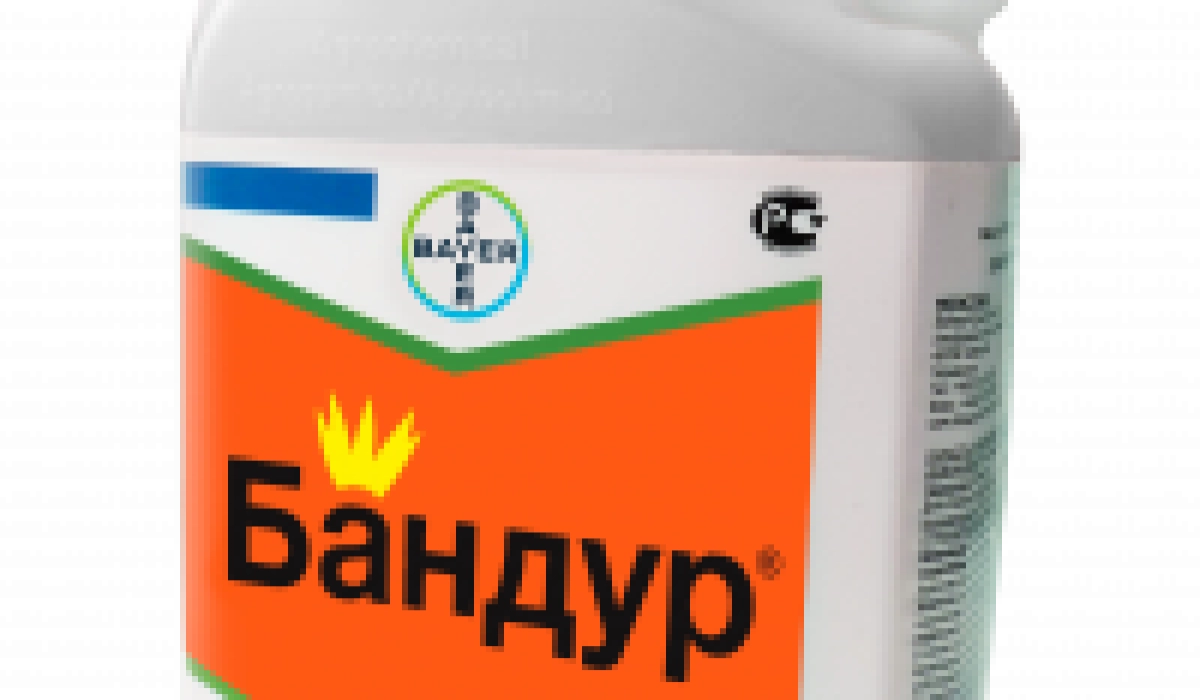
To achieve the best results from using the herbicide Bandur, it is important to follow the technical aspects of soil preparation and spraying process. On the website www.cropscience.bayer.ru you will find additional recommendations for using this product and other plant protection agents.
Soil Preparation
Soil preparation plays a critical role in the effectiveness of Bandur. Below are the main steps for preparation:
- Soil Cleaning: Removal of crop residues and other obstacles on the soil surface.
- Soil Loosening: Ensuring a fine-grained soil structure for better contact of the herbicide with the soil.
- Soil Leveling: Creating a flat surface for even distribution of the herbicide.
Spraying Process
Spraying should be carried out considering the following parameters:
- Product Concentration: Adhering to the recommended dosage of the product, as indicated by the manufacturer.
- Even Distribution: Using a quality sprayer for even distribution of the solution over the field surface.
- Weather Conditions: Spraying should be done on dry days with no wind to minimize the risk of herbicide drift.
Application Method, Timing, and Specifics
Bandur is most effective when applied under the following conditions:
- Before Crop Emergence: Spraying the soil before crop emergence to prevent weed growth.
- Working Liquid Volume: 200-400 L/ha to ensure full coverage.
- Application Timing: Best applied early in spring, when soil and air temperature are within the optimal range for product activation.
Herbicide Compatibility Testing
Before mixing Bandur with other pesticides, it is important to conduct a compatibility test:
- Mix Preparation: Mix a small amount of the products in a separate container.
- Observation: Check the mixture for sediment formation or color change.
- Testing: Apply the test mixture on a small area to assess potential phytotoxicity.
Importance of Timing
The timing of Bandur application critically affects its effectiveness. Consider the key points:
- Early Morning or Late Evening: Optimal time for spraying, when temperature is lower and humidity is higher.
- Avoid Rainy Weather: Spraying before rain may reduce the effectiveness of the product due to leaching.
Spraying Equipment
Choosing the right equipment for spraying is crucial for ensuring even distribution of Bandur:
- Various Sprayer Types: From hand-held to automatic, the choice depends on the size of the area to be treated.
- Sprayer Adjustment: Adjusting pressure and droplet size to minimize drift and ensure maximum coverage.
Safety Measures When Working with Bandur
When working with chemical products, safety measures must be followed:
- Use of Personal Protective Equipment: Protective clothing, goggles, respirators.
- Storage Rules: Store Bandur in a light- and moisture-proof place.
- Staff Training: Regular training on safe handling of agrochemicals.
Application for Specific Crops
Application of Bandur requires an individual approach for different crops:
- Sunflower and Potato: These crops are sensitive to precise dosages and timing of application.
- Pea and Carrot: Here, it is important to ensure minimal impact on seedlings by using precise application rates.
Consequences of Incorrect Application
Failure to follow application recommendations may lead to undesirable consequences:
- Phytotoxicity: Damage to crop plants due to excessive or incorrect application.
- Reduced Yield: Improper application may negatively affect both quantity and quality of the harvest.
Role of Equipment Maintenance
Maintaining spraying equipment in good working condition increases its effectiveness:
- Regular Inspection and Maintenance: Ensures reliability and accuracy of chemical distribution.
- Replacement of Worn Parts: Helps avoid issues with uneven distribution of the product.
Adaptation to Climatic Conditions
Climate conditions play a key role in herbicide effectiveness:
- Hot and Dry Conditions: May require increasing the application rate due to rapid evaporation.
- Cold and Wet Conditions: It is necessary to reduce the application rate to prevent product runoff.
Monitoring and Adjusting Application Methods
Regular monitoring of crop and weed conditions allows timely adjustments to treatment methods:
- Monitoring Soil and Plant Conditions: Helps determine the need for additional measures.
- Post-Treatment Effectiveness Analysis: Provides information for optimizing future applications.
Following these technical recommendations and approaches increases the chances of successful weed management, improved yields, and reduced risks for crop plants.