
Roundup-Resistant Soy: Prospects and Problems
Soy is one of the most popular agricultural crops in the world. It is used in the food industry, animal feed production, and also as an oil source. An important aspect of soy cultivation is the fight against pests and weeds, which can reduce yield and quality.
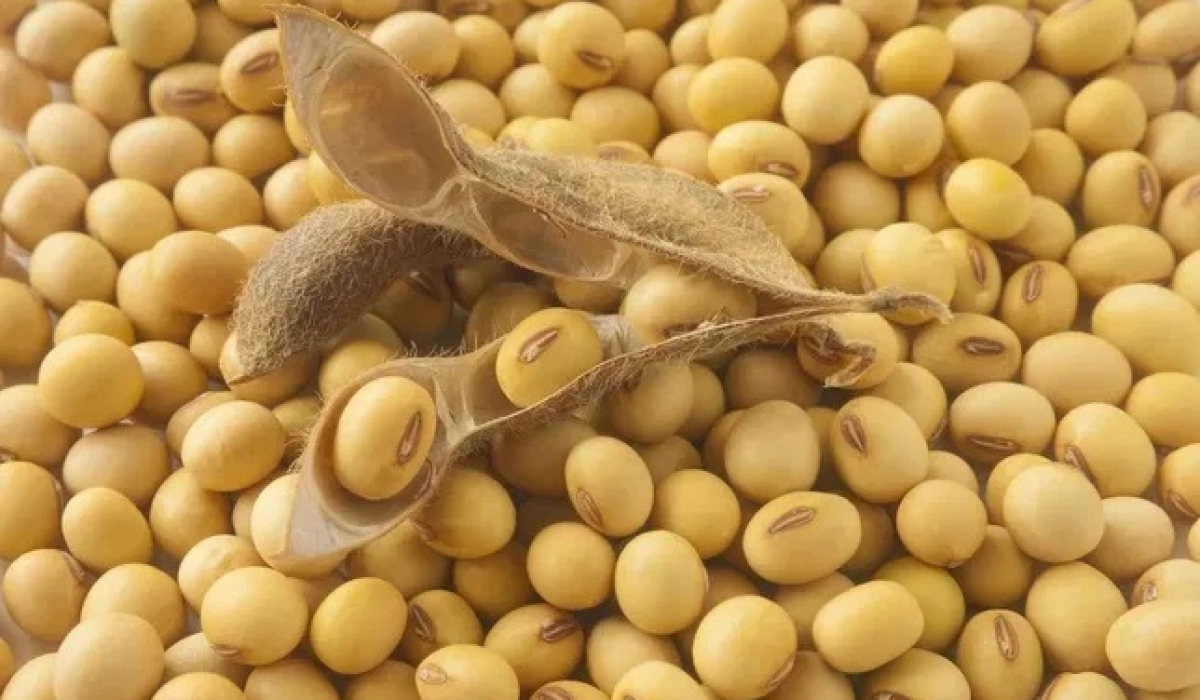
Soy is one of the most popular agricultural crops in the world. It is used in the food industry, animal feed production, and also as an oil source. An important aspect of soy cultivation is the fight against pests and weeds, which can reduce yield and quality.
Soy Seeds Under Roundup
When growing soy, controlling weeds is an important factor. Here, soy seeds under Roundup come to the rescue. Roundup is a commercial name for a herbicide containing glyphosate, which effectively kills weeds but does not harm soy that is resistant to it. This became possible thanks to genetic engineering, which allowed the introduction of a gene into the soy genome that makes it resistant to glyphosate.
The advantages of using soy seeds under Roundup include:
- Effective weed control without harm to the soy itself.
- Reduced costs for manual or mechanical weed removal.
- Increased yield due to reduced weed competition.
Insecticides and GMOs
At the same time, soy seeds under Roundup have their drawbacks. The main one among them is the widespread use of insecticides. Insecticides — these are preparations used to combat pests, but their use can lead to the spread of pests resistant to these preparations. In addition, insecticides may affect non-target species that are beneficial to the ecosystem, such as bees.
Drawbacks also include:
- Potential environmental impact due to the use of herbicides and insecticides.
- Potential health risks for people through consumption of GMO products.
- Risk of weeds developing resistance to glyphosate.
Conclusion: soy seeds under Roundup are widely used due to their effectiveness, but require careful use and additional research to evaluate all potential risks and consequences.
Research and New Approaches to Soy Cultivation
Approaches to soy cultivation continue to evolve in light of new research and discoveries. In response to growing ecological and health concerns, scientists, agricultural specialists, and producers are seeking alternatives to genetically modified seeds and chemical use.
Organic Soy Cultivation
One such alternative is organic soy cultivation. This method focuses on using natural resources and methods to combat pests and weeds.
Main principles of organic cultivation include:
- Use of biological pest control, including the use of beneficial insecticides and predators.
- Use of mulching and crop rotation to control weeds.
- Use of organic fertilizers to improve soil fertility.
- Exclusion of genetically modified organisms.
At the same time, scientists continue to develop and improve genetically modified crops. This includes creating new soy varieties resistant to Roundup, but also resistant to other threats such as diseases and extreme weather conditions.
It is important to remember that each soy cultivation method has its own advantages and disadvantages. It is important to continue research and remain open to new approaches to ensure sustainable soy cultivation that provides high-quality yields while minimizing environmental impact.
Drawbacks of Using Soy Under Roundup
All these innovative methods and technologies look promising, but they are not without drawbacks. This is especially true for growing soy under Roundup.
Development of Weed Resistance
One of the main drawbacks of growing soy under Roundup is that weeds can develop resistance to glyphosate, the active ingredient in Roundup. This can lead to weeds continuing to grow despite spraying, which in turn may result in reduced yield.
Marketing Issues
Another drawback of growing GMO soy is that some markets and buyers refuse to accept GMO products. This may limit marketing and sales opportunities for the harvest.
Ecological Risks
Some scientific studies also point to potential ecological risks from growing GMO soy, including loss of biodiversity and potential negative impacts on non-commercial species.
Growing soy under Roundup provides significant advantages for farmers, including increased productivity and efficiency. However, there are also significant drawbacks, including the development of weed resistance, marketing limitations, and potential ecological risks.
Overall, each farmer needs to consider these factors when choosing a soy cultivation method. Some may find that traditional methods are best suited to their conditions, while others may find that using innovative technologies such as Roundup-resistant soy is the most effective option for their farm.