
Features of Herbicide Application in Winter Wheat: Selection, Timing, and Dosage
Herbicides are important tools for combating weeds that hinder winter wheat growth. However, their use has specific features that must be considered to achieve optimal results.
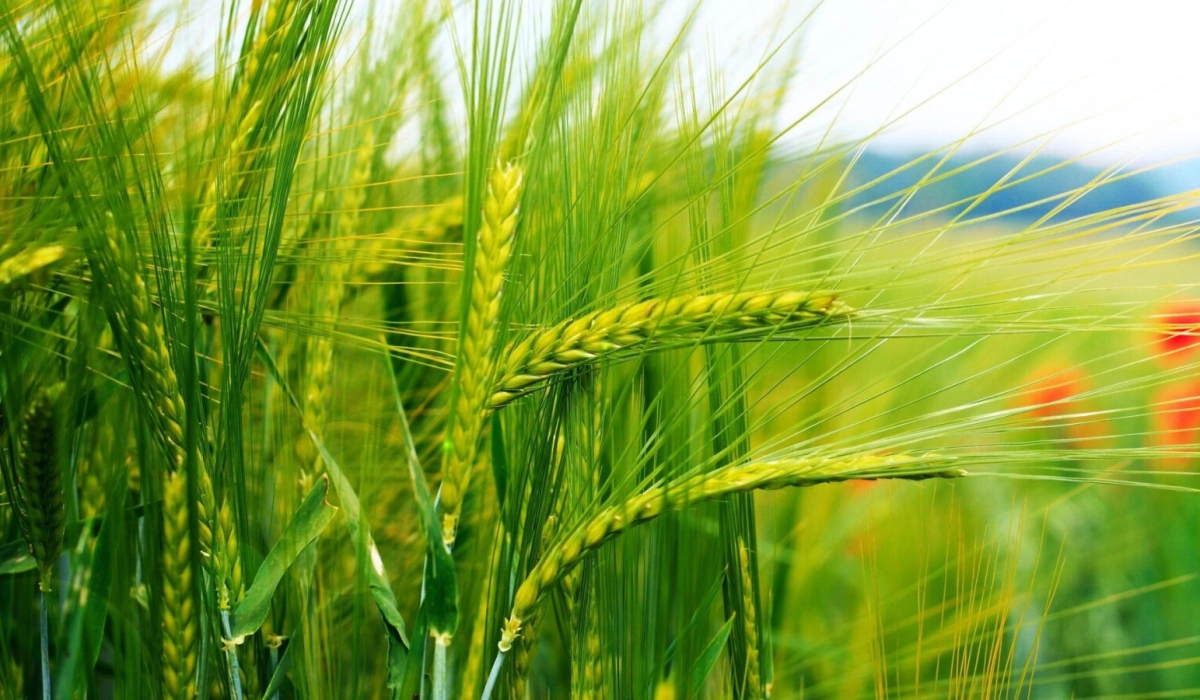
Herbicides are important tools for combating weeds that hinder winter wheat growth. However, their use has specific features that must be considered to achieve optimal results. Generally, these are chemical substances used to combat weeds, i.e., unwanted plants that grow on fields alongside the crop and compete with it for nutrients, water, and light. Herbicides allow destroying weeds without damaging the cultivated plants.
Herbicides can be contact or systemic. Contact herbicides act only on parts of plants they come into contact with. Systemic herbicides, on the other hand, affect the entire plant, penetrating its nutrient system. To achieve the most effective results, herbicide use should be combined with other weed control methods, such as mechanical tools, mulching, and others. It is also important to follow recommendations regarding herbicide selection, dosage, and application timing.
Choosing Herbicides for Winter Wheat
Before planting, it is necessary to understand which agent to choose. Herbicide selection for winter wheat depends on many factors, such as weed species present on the field and their growth stage, the development stage of the wheat crop itself, climatic conditions, soil properties, cost and availability of various products, cultivation technologies, etc.
The most effective approach is integrated herbicide application. For example, contact and systemic herbicides can be combined to ensure maximum weed coverage on the field. It is also important to follow proper dosage and application timing for herbicides.
Popular herbicides belong to chemical groups:
- Chloracetanilides;
- Triazines;
- Sulfonilureas;
- Triazolopyrimidines;
- Derivatives of arylalkanecarboxylic acids;
- Cyclohexanediones;
- Triketones;
- Benzothiadiazines;
- Chlorinated pyridines;
- Organophosphorus compounds.
When choosing herbicides for winter wheat, several factors should be considered. Attention should be paid to the type and quantity of weeds to be eliminated. Special attention should be given to weed types: annual or perennial, monocots or dicots. Soil pre-planting treatment can be performed to reduce weed seed quantity. Additionally, consulting agronomists for recommendations on herbicide selection based on specific cultivation conditions is advisable.
Classification of Herbicides by Mechanism of Action
Herbicides for winter wheat https://www.eridon.ua/vidi-diyalnosti/zasobi-zahistu-roslin/gerbicidi/gerbicidi-dlya-ozimoyi-pshenici are widely popular. These are substances used to combat weeds, thanks to their impact on plant physiological processes. There are several main herbicide classifications, one of which is by mechanism of action. Main herbicide classes by mechanism of action:
- Non-linear herbicides. This class of herbicides affects plant metabolism, damaging cell walls and causing uncontrolled cell expansion, leading to weed death. Examples of this class include 2,4-D, dicamba, and picloram.
- Linear herbicides. These herbicides affect amino acid and protein biosynthesis, causing growth and development stoppage in plants. This class includes sulfonylurea group, such as metosulam-methyl and tribenuron-methyl.
- Herbicides affecting photosynthesis. They affect photosynthesis, damaging photosynthetic pigments and reducing overall photosynthesis level in plants. Examples of this class include atrazine and simazine.
- Herbicides affecting protein synthesis. They affect protein synthesis, leading to growth and development stoppage in plants. Examples include glyphosate and bifenthrin.
Each individual chooses the type suitable for their potential use. If no experience is available, it is better to consult an expert to avoid worsening possible results.
Selective and Non-selective Herbicides
Herbicides can be classified by their selectivity — ability to affect certain plant species. What is the difference and which to choose? It will be clear now.
How categories differ:
- Selective herbicides.
These herbicides usually affect specific plant species without damaging other crops. They can be used to control weeds in various crops, such as corn, soybeans, wheat, etc.
- Non-selective herbicides.
These herbicides affect any plant they come into contact with, regardless of whether it is a crop or weed. They are mainly used for maintenance of uncultivated land or for eliminating all plants, such as on lawns or open spaces, before planting or after harvest.
It is important to choose a herbicide that matches the needs and type of crop cultivation to ensure maximum weed control without damaging the crop.
Recommended Herbicides for Winter Wheat
To ensure high-quality crop growth, only proven chemical substances should be used. For winter wheat, different herbicides are recommended depending on the weed type and its growth stage.
Before using any herbicide, it is necessary to carefully read instructions and follow manufacturer recommendations.
Timing of Herbicide Application
Timing of herbicide application depends on several factors, such as plant growth stage, soil type, and climatic conditions. Generally, herbicides are applied at early stages of winter wheat development, when weeds are just beginning to grow and do not compete with the crop for water and nutrients.
For preparing winter wheat planting, herbicides can be applied to the open soil after harvesting the previous crop or during plow layer treatment. In this case, herbicides will be applied to soil that has not yet been seeded, eliminating weed seeds located on the soil surface.
It is also possible to use pre-planting herbicides, applied either before or immediately after planting winter wheat. This method is very effective since it ensures uniform distribution over the entire field area. Using soil-applied herbicides also helps avoid the influence of atmospheric precipitation on herbicide efficiency.
Some herbicides can be applied during winter wheat vegetation if weeds have already grown — these are called pre-emergent or post-emergent herbicides. However, before applying herbicides to mature plants, it is necessary to carefully read the product instructions and consult a herbicide application specialist.
Herbicide Dosage for Winter Wheat
According to Wikipedia, herbicide dosage for winter wheat depends on the herbicide type, field area, weed development stage, and other factors. Therefore, before applying herbicides, it is necessary to carefully review instructions and consult a specialist.
Generally, herbicide dosages for winter wheat are specified in instructions and may vary from 0.5 to 5 liters per hectare depending on the specific product. To accurately determine dosage, it is necessary to also consider climatic conditions, soil condition, and presence of weeds.
When using combined products, dosage may be lower compared to using individual products, but such products may be more expensive. Additionally, it is necessary to monitor that the total herbicide dosage does not exceed permissible norms.
Safety and Impact of Herbicides on Winter Wheat
Herbicide safety for winter wheat depends on several factors, such as dosage, application timing, weather conditions, and soil properties.
When herbicides are used correctly and manufacturer recommendations regarding dosage and timing are followed, their impact on winter wheat can be minimal. However, non-compliance with recommendations may lead to negative consequences.
For example, excessive herbicide dosage may cause toxic effects on winter wheat, reducing its growth and yield. Such effects are called herbicide phytotoxicity. Additionally, improper application timing may cause plant damage and reduced plant vitality.
Moreover, some herbicides may have long-term effects on soil microbiota and fauna, which may impact soil ecological stability and future fertility.
Therefore, to ensure safety and maximum efficiency of herbicide use for winter wheat, it is necessary to follow recommendations regarding dosage, application timing, and product selection, as well as consider weather conditions and soil properties.
Despite being useful for maintaining crop yield, herbicides may have some impact on winter wheat and other crops. Since herbicides are chemical substances used to eliminate weeds, they may negatively affect the environment if applied incorrectly.