
3 rules to follow when working with herbicides
Using herbicides is an effective measure against weeds. They are used both in industrial agriculture and in private households. Herbicides for weed control are available on the market in a wide variety, which is why it is important to understand their differences and application rules.

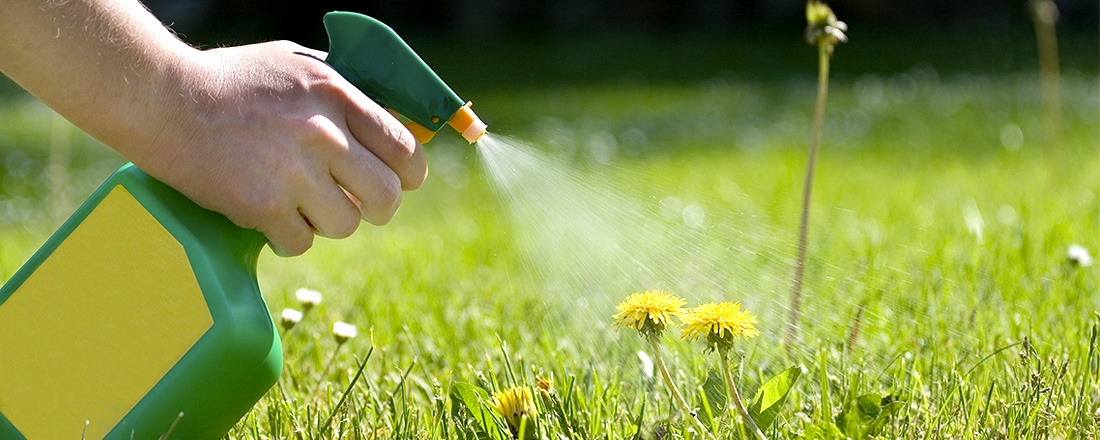
Using herbicides is an effective measure against weeds. They are used both in industrial agriculture and in private households. Herbicides for weed control are available on the market in a wide variety, which is why it is important to understand their differences and application rules.
Main types of agents
Herbicides are classified according to two main criteria: scope of action and method of application. According to the first criterion, all agents are divided into:
- non-selective plant protection agents. These herbicides destroy any vegetation, including crop plants. They should be used only on areas requiring total clearing - on virgin lands, field edges, before planting garden crops. Popular agents include Torpedo, Hurricane.
- selective agents. These agents destroy plants selectively, according to their type. This category includes several groups of plant protection agents, which should be chosen depending on the type of weeds to be fought: annual, biennial, grassy, milkweed, etc. Popular representatives of this group include Gezagar, Dual Gold, etc.
Herbicides are produced by different manufacturers. Currently, you can https://agromarket.ru/sredstva-zaschity-rastenij/szr-krupnaja-fasovka/gerbizidy.html purchase non-selective or selective herbicides in different package sizes, directly from the manufacturer and accompanied by quality certificates.
Differences in application method
In addition to the characteristics of action, it is important to consider this aspect when choosing herbicides. According to differences in application method, agents are divided into:
- soil-applied. The principle of their application is based on irrigating the soil, which creates a surface layer of treated soil unsuitable for weed growth;
- systemic. The most effective type of chemical protection agents against weeds. These agents penetrate into plant tissues and are distributed throughout all organs with the sap, causing their death;
- contact. These plant protection agents destroy only the vegetative mass of weeds after spraying.
In addition to the method of application and type, it is also important to know some characteristics of using agents.
Rule #1: adherence to dosage
It is important to carefully measure the amount to be applied depending on the area being treated. If you save and add less agent, its effectiveness will be low, and additional treatment may be required.
Exceeding the norm can lead to the death of crop plants, reduced yield due to damage to the fertile soil layer.
Rule #2: ensuring storage conditions
The main recommendation that will help avoid risks is to open the agent immediately before use and prepare the solution in the amount needed for treatment. Ready-made mixtures cannot be stored as they lose their protective properties.
Leftover agent can be stored for the next use or year. However, it is important that the container is tightly sealed, and the storage location is chosen away from food and animal feed.
Rule #3: proper application
Herbicide applications are conducted on calm, sunny days. If the agricultural technology involves watering the plants, then this procedure should be stopped the day before applying the agent and resumed no earlier than the next day. On average, 5-6 hours are sufficient for the desired effect. If it rains or watering occurs during this time, reapplication will be necessary.