
The Importance of Effective Rainwater Drainage
Modern water resource management systems play a crucial role in ensuring the safety and comfort of urban and suburban areas.
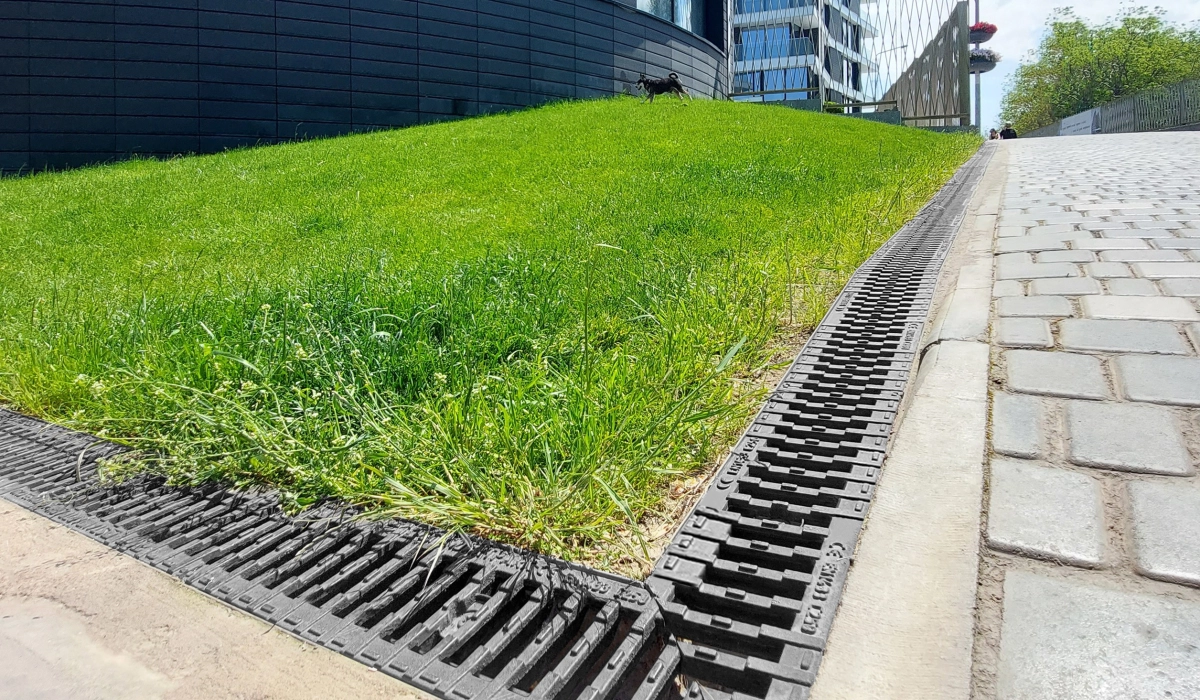
Modern water resource management systems play a crucial role in ensuring the safety and comfort of urban and suburban areas. One of the key elements of such systems is rainwater drainage, which helps prevent flooding, soil erosion, and damage to infrastructure. Rainwater drainage is essential both for private properties and public areas to ensure effective water runoff during rainfall.
The primary function of rainwater drainage systems is to collect and remove rainwater and meltwater from buildings, roads, and sidewalks. This helps protect building foundations from moisture, prevents the formation of puddles, and reduces soil erosion. Effective drainage contributes to preserving green spaces and improving the ecological condition of the area. Thanks to a properly designed system, water accumulation and flooding can be avoided even during heavy rains.
Components and Operation Principles of Rainwater Drainage Systems
Rainwater drainage systems consist of several main components that ensure effective collection, transportation, and removal of precipitation. The primary element is water collection systems, which can be in the form of gutters or point drains. They are installed in areas with the highest water accumulation and connected to pipes for further removal.
Drainage systems, as a component of rainwater drainage, help control groundwater levels and protect areas from excessive moisture. Sewer pipes and wells facilitate the transportation of water to disposal or reuse sites. For example, collected water can be used for lawn irrigation or technical purposes.
To maintain system efficiency, it is important to consider the slope of the surface, pipe sizes, and material quality. Using modern filters and grates allows avoiding system clogging and extending its operational lifespan. A comprehensive approach to designing and installing components ensures uninterrupted operation of rainwater drainage systems even under the most challenging weather conditions.
Advantages and Maintenance of Rainwater Drainage Systems
The main advantages of effective rainwater drainage include protecting buildings and landscapes from the negative effects of moisture. These systems help prevent damage to roads, foundations, and lawns, preserving the aesthetic appearance of areas. Water collection structures also contribute to reducing soil erosion, which is especially important for slopes and areas with unstable surfaces.
Regular maintenance of systems includes cleaning gutters and drains from debris, leaves, and mud. This prevents pipe clogging and reduces the risk of flooding. During operation, it is important to monitor the condition of filters and grates, as well as check the integrity of connections. To extend the service life of the system, it is recommended to perform preventive maintenance at least once a year.
Effective use of rainwater drainage also contributes to ecological balance. Collected water can be reused for technical purposes, reducing water supply costs. A comprehensive approach to designing, installing, and maintaining systems guarantees their longevity and reliability.