
Mold and Fungal Prevention in Vegetable Storage: Safe Cleaning, Ventilation, and Humidity Control
Mold and fungal decay develop where excessive relative humidity, stagnant air, temperature fluctuations, and organic residues coincide. Critical zones include condensation areas on cold surfaces, dust and soil residues on pallets and racks, as well as spores brought in from the field.
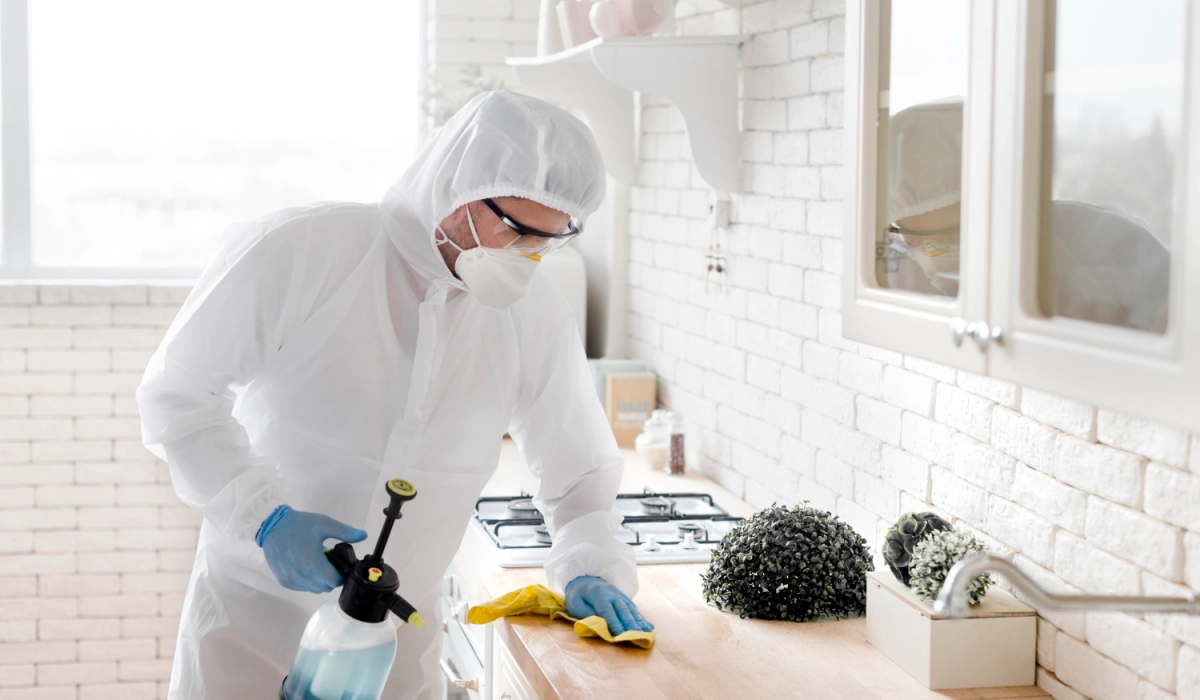
Mold and fungal decay develop where excessive relative humidity, stagnant air, temperature fluctuations, and organic residues coincide. Critical zones include condensation areas on cold surfaces, dust and soil residues on pallets and racks, as well as spores brought in from the field. Regular sanitary cleaning with complete chemical rinsing, steam treatment of hard-to-reach areas, and surface drying https://delicate-clean.ru/uborka-kottedzhej/ significantly reduce the likelihood of spore germination and recontamination.
Safe Cleaning: What to Do and What to Use
First, mechanically remove dirt and deposits, then wash with warm water and neutral detergents, thoroughly working joints, drains, and ventilation grilles. In crevices and porous areas, steam ≥100 °C followed by rinsing to neutral pH is effective. For disinfection in food zones, use hydrogen peroxide or perchloric acid according to instructions with mandatory ventilation; chlorine-containing compounds are permitted only outside direct contact with product and under enhanced ventilation. The key step — complete drying of rooms and containers, otherwise moisture «traps» in pores and biofilms.
Ventilation and Air Exchange Management
The goal of ventilation — prevent reaching dew point on surfaces and eliminate local «traps» of humidity. Air flows equalize temperature without direct product blowing, and air exchange rate is adjusted by sensors: rising CO₂ and stable peaks of relative humidity indicate insufficient exhaust or recuperation. Doors and gates are equipped with curtains, intake air is dehumidified in damp weather, and airflow distribution is checked with smoke tests to eliminate stagnant zones.
Temperature and Humidity for Typical Crops
Keep potatoes at 3–4 °C and relative humidity 90–95% after a healing period of 10–14 days at 12–15 °C and 90–95%. Store carrots and beets at 0–1 °C and 95–98% with uniform circulation, and cabbage at 0–1 °C and 90–95%. Onions and garlic require 0–1 °C and lower humidity 65–75% with active ventilation, preventing condensation on the skin. All target regimes are confirmed by loggers, not just wall-mounted thermohygrometers.
Condensation and «Cold Bridges» Control
Condensation most often forms on metal structures, under roofing, and around cold pipes. These areas are insulated, anti-condensation panels are applied, and direct blowing of cold elements with humid intake is avoided. Dehumidifiers are selected by temperature range: adsorption types are effective in cold, compressor types — at positive temperatures; drainage systems are equipped with heated traps to prevent back odor and moisture infiltration. Sudden gate openings are compensated by vestibules and temporary boosting of the exhaust system.
Materials, Pallets, and Hygienic Design
Smooth, non-porous, chemically resistant wall and ceiling coatings reduce spore adhesion and speed up cleaning; floors are made with slopes to drains and non-overflow baseboards to prevent «puddles». Wooden pallets in damp zones are replaced with plastic or steam-treated according to protocol; pallets are marked «clean/dirty», and inventory — by zones, to prevent cross-contamination. Clearances from floor and walls ensure airflow and accelerate drying after cleaning.
Monitoring and Documentation
Maintain a cleaning, disinfection, and microclimate parameter log with photo documentation of problematic areas; loggers are placed not only at walkway level but also in corners, under ceilings, and inside stacks. Regularly inspect «signal» boxes from different layers: upon first signs of an outbreak, pause steam generator and disinfection, adjust dehumidifiers and ventilation settings, and isolate product until re-evaluation. For ethylene-sensitive crops, monitor ethylene levels and, if necessary, enhance exhaust or use sorbents.
Actions Upon Detecting an Outbreak
Localize the contaminated area, visually expanding boundaries by 0.5–1 m from visible damage; move contaminated pallets and packaged product to quarantine, and sequentially clean the area: mechanical removal, washing, steam, disinfection, complete drying, and repeated logger checks. After an incident, update cleaning routes, strengthen condensation prevention, and review the exhaust system schedule accounting for seasonal humidity.
Initial Condition Audit
Long-term prevention begins with photographic documentation of problematic nodes and a basic microclimate map. Divide rooms into functional zones, marking actual daily temperature and humidity ranges for each, local peaks near gates, under roofing, in corners, and inside stacks. Smoke tests help visualize airflow trajectories and stagnant zones, while infrared thermography reveals cold bridges. Afterward, compile a risk matrix: where condensation forms, which materials absorb moisture, and where mold colonies are most frequently found.
Seasonal Operational Scenarios
In autumn, the main task — accept product without over-wetting: transition from outdoor moisture to stable parameters is managed via vestibules, dehumidified intake, and gentle stepped ventilation. In winter, focus shifts to preventing overcooling and freezing, so balance recirculation with intake mixing and heat recovery. In spring, combat sharp daily fluctuations, when dew point «catches up» with uninsulated elements. In summer, practice nighttime cooling and daytime intake limitation to prevent moisture and spore entry.
Choosing and Combining Dehumidification with Ventilation
Dehumidifiers are considered system components, not standalone solutions. In cold modes, adsorption technology with regenerative rotor capability works better; in positive temperatures — compressor units with correctly calculated airflow in liters per hour. Ventilation must ensure even distribution of dry air without targeted «blowing» of product, and automation links dehumidifier operation to real sensor readings to avoid over-drying structures and containers.
Biological Safety of Personnel and Equipment
Even ideal engineering cannot compensate for human factors. Passage through a sanitary vestibule with shoe drying, hand hygiene, and inventory change between «dirty» and «clean» zones reduces spore introduction. Tools are marked by zones, fabrics replaced with easily washable materials, and cleaning schedules coordinated with product movement to avoid aerosol generation during loading.
Integration with HACCP and Control Points
Preventing mold logically formalizes into an HACCP plan: critical points — condensation zones, porous material areas, storage pallet zones, and junctions of enclosing structures. For each point, set humidity and temperature limits, inspection frequency, and action protocols upon deviation. This approach makes prevention measurable and verifiable, and documentation suitable for internal and external audits.
Digital Monitoring and Analytics
Local loggers complement a network of sensors with data transmission and event alarms. It’s useful to store at least seasonal history to see how interventions — insulation, shutter adjustments, pallet replacement — changed dew point curves and condensation frequency. By analyzing peak statistics and duration of excursions, quickly identify where project modifications are needed, and where adjusting dehumidifier algorithms suffices.
Materials and Nodes Requiring Design Modifications
Where water inevitably accumulates, modify the structure, not «fight» with regular cleaning. Baseboards are made sealed and non-overflow, floors — with constant slope to drains, wall and ceiling junctions — with radii preventing dirt accumulation. Metal structures under roofing are insulated or covered with anti-condensation panels, open pipes are shielded, and cold gates are supplemented with air or PVC curtains.
Working with Product and Pallets
Surface cleanliness of vegetables before storage is critical: dirt and wet soil — ideal substrates for spores. Pallets must be designed for cleaning and drying, without «traps» where residues accumulate. Separating «dirty» and «clean» pallet flows in warehouse logistics reduces cross-contamination, and marking helps maintain discipline even with high staff load.
Economics of Prevention
Most expenses are recouped by reducing losses and unplanned downtime. Properly calculated dehumidifiers and insulation of cold bridges reduce condensation episodes, and thus — mold outbreaks, which usually lead to entire batch losses. Additional benefit — reduced cleaning time due to smooth materials and well-organized drainage, lowering labor and water consumption.
Incident Response and Procedure Improvement
Each mold outbreak is treated as a source of data. After localization and sanitation, record causes: meteorological factors, technological error, structural defect, or hygiene violation. Based on analysis, adjust automation settings, modify cleaning routes, modernize problematic nodes, and update staff training materials. This «incident — analysis — change» cycle keeps the system within predictable bounds and reduces recurrence likelihood.