
Ecological Building Materials: Using Agricultural Resources for Eco-Design
In today's world, great attention is paid to the ecological purity of building materials. Thanks to the continuous development of agronomic technologies, it has become possible to use agricultural resources to create not only useful, but also stylish eco-materials for interior design.
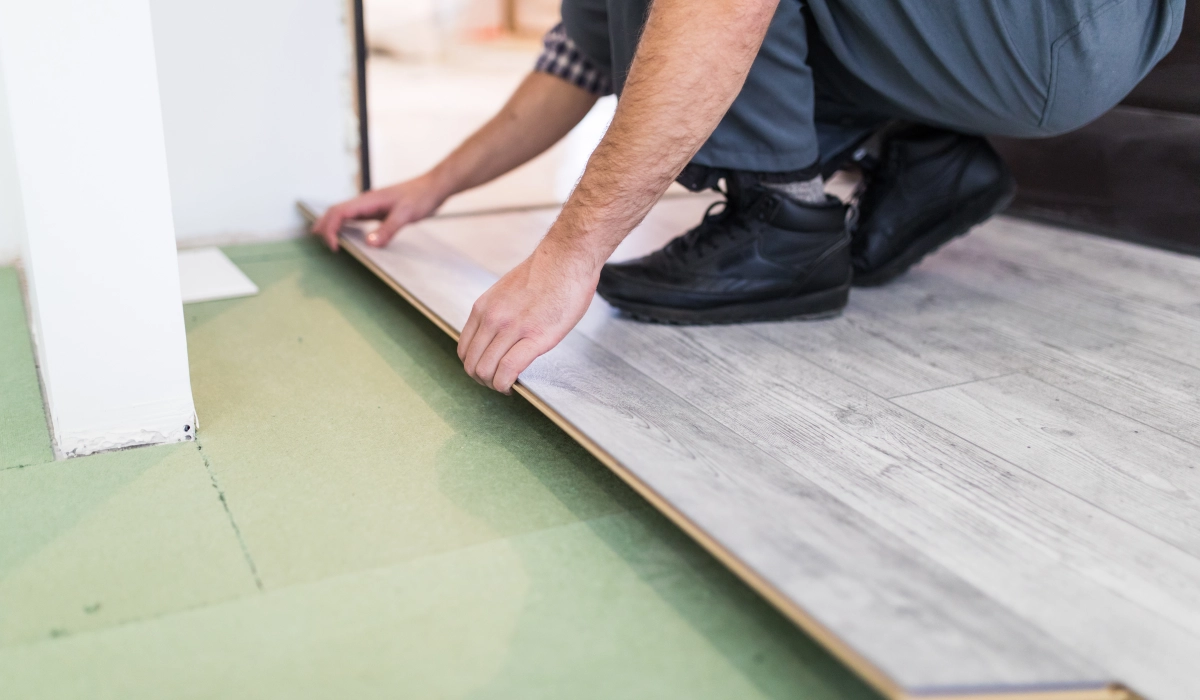
In today's world, great attention is paid to the ecological purity of building materials. Thanks to the continuous development of agronomic technologies, it has become possible to use agricultural resources to create not only useful, but also stylish eco-materials for interior design. Such materials not only help preserve natural resources, but also contribute to creating a healthy living space. For example, underlayment for laminate, available on the site https://holz.ua/ua/aksesuary/pidkladka/f/purpose:dlja-laminatu/, can be made from ecologically clean materials such as cork or recycled agricultural waste.
Recycling Agricultural Waste
- Use of straw and other residues: Straw, which often remains as waste after harvest, can be used to produce insulation materials and wall panels.
- Recycled wood: Wood scraps and other wood waste can be recycled into MDF or OSB panels, used for interior work and furniture.
- Flax and hemp: These plants grow quickly and have a low environmental impact during cultivation. Their fibers can be used to produce natural textile materials and upholstery.
Using Natural Fibers for Interior Decoration
Fibers obtained from agricultural crops can be used not only for creating textiles, but also for producing decorative coverings, which are a healthier alternative to synthetic materials. They add naturalness and warmth to interiors and also help regulate humidity in rooms.
Technological Innovations in the Production of Ecological Building Materials
New technologies used for processing and recycling agricultural resources allow creating building materials that are not only strong and durable, but also fully biodegradable. This means they can be safely disposed of without harming the environment after the end of their life cycle.
Bio-Based Polymers in Construction
The use of bio-based polymers from agricultural resources opens new possibilities for the construction industry. Polymers obtained from corn, soy, and other plants can be used to produce plastics used in manufacturing insulation materials, paints, adhesives, and other construction components. These materials are not only more eco-friendly than conventional plastics, but also contribute to reducing the use of petroleum products.
Green Construction and Agronomic Materials
Using agronomic materials in green construction allows not only to ensure ecological and sustainable properties, but also significantly improve thermal and acoustic insulation properties of buildings. For example, blocks made of lime hemp concrete are not only ecological, but also provide excellent thermal regulation, which is critically important for the climate of many regions.
Impact on Reducing Carbon Footprint
Integrating agronomic resources into the production of building materials contributes not only to preserving natural resources, but also significantly reduces the carbon footprint of the construction industry. This is possible thanks to replacing synthetic materials, whose production requires large amounts of energy, with natural materials that can be locally grown and recycled.
Economic Advantages of Using Agronomic Materials
Aside from ecological and technical advantages, using agricultural resources can have significant economic benefits. Local production of materials reduces dependence on imports, stimulates local economies, and creates jobs. Additionally, agronomic materials are often cheaper than traditional ones, making them accessible to a wide range of consumers.
These approaches to using agronomic resources in construction demonstrate how innovation and tradition can be combined to create ecologically clean, economically beneficial, and technologically productive solutions for modern housing.
Prospects for Development of Biodegradable Building Materials
Development of technologies in the field of biodegradable materials opens new horizons for the construction industry. These materials, based on natural resources, not only reduce environmental impact during their production and use, but also guarantee safe return to nature after the end of their life cycle. Using such materials contributes to forming a closed consumption cycle, where waste from one process becomes resources for another.
Application of Agronomic Materials in Interior Design
Agronomic materials are not only used for exterior building decoration, but also find their place in interior design. Natural wooden panels, textiles made from organic flax or bamboo, as well as flooring made of cork or bamboo, create unique, healthy, and stylish spaces. These materials not only look attractive, but also contribute to creating a healthy microclimate in rooms.
Impact on Health and Environment
Using ecologically clean materials significantly reduces risks to human health. Materials that do not contain harmful substances and have low levels of volatile organic compound emissions ensure a healthier living environment. In addition, using materials that can be recycled or reproduced helps preserve natural resources and reduce deforestation.
Socio-Economic Aspects of Using Agronomic Materials
Introducing agronomic materials into production also has a positive socio-economic impact. It contributes to the development of local communities, creation of new jobs, and increased income in rural areas. This helps reduce migration to large cities and promotes balanced regional development.
Agronomic materials represent a huge potential for creating a new generation of building materials that will be ecologically safe, economically beneficial, and socially responsible. Their application in construction and interior design already demonstrates the importance of integrating traditional practices into everyday life, contributing to the formation of healthier and more harmonious living spaces.