
Application of Stainless Steel Railing in Agricultural Facilities
Due to their versatility, durability, and high adaptability, stainless steel railings continue to be an essential component of modern agricultural design and architecture.
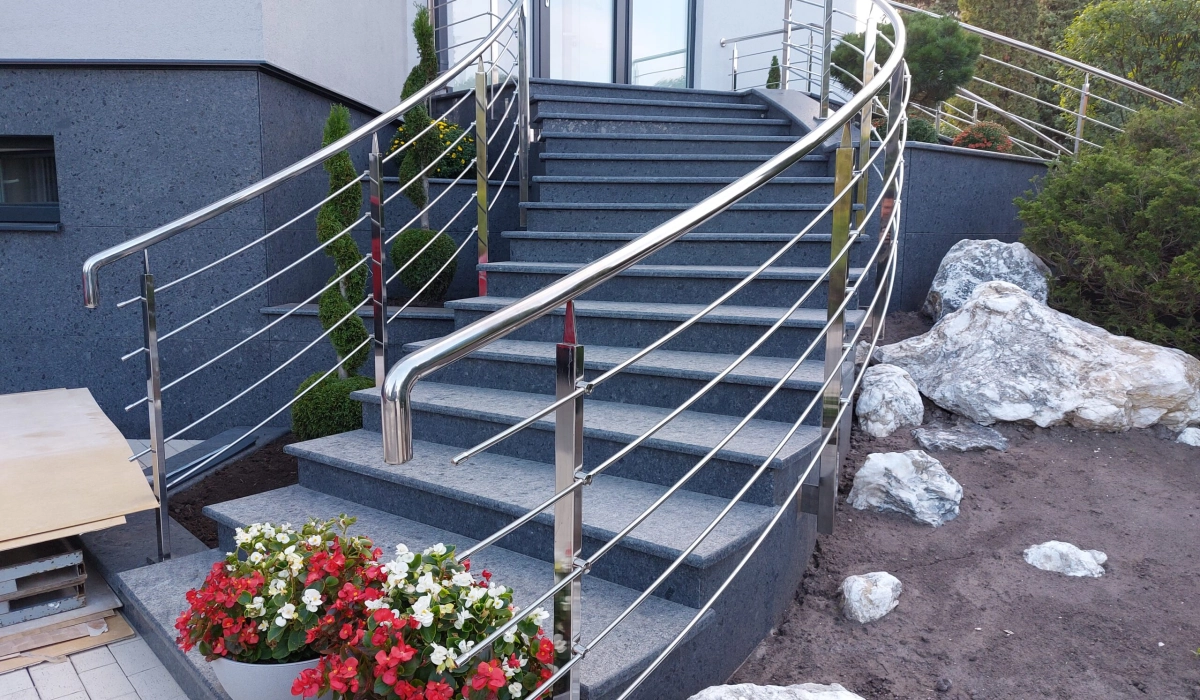
On agricultural facilities, where high humidity and contact with chemicals often occur, the reliability and durability of materials are crucial. Under such conditions, stainless steel railings Kyiv have proven to be an excellent choice. They are not only aesthetically appealing but also renowned for their resistance to corrosion, ensuring a high level of safety on farms and wineries.

Role of Railings on Farms
- Ensuring Safety: On farms, where the risk of falling from height is common, stainless steel railings play a critically important role in protecting workers and visitors.
- Access Control: They help restrict access to potentially hazardous areas, such as storage zones for chemical fertilizers or grain silos.
Advantages of Railings on Wineries
- Durability in Humid Conditions: Wineries often face high humidity levels, especially in cellars where wine is stored. Stainless steel railings are resistant to rust and deterioration, ensuring long-term service.
- Aesthetic Appeal: Modern railing designs help maintain an attractive appearance in production areas, which is important for facilities open to tours.

Installation of Railings on Farm and Winery Facilities
Installing stainless steel railings requires a professional approach to ensure structural strength and reliability. Agricultural enterprises should consult qualified specialists who can adapt standard solutions to the specific requirements of each facility.
Stainless steel railings are a crucial element in the architecture of agricultural facilities, providing safety, durability, and aesthetic appeal. Their use on farms and wineries helps create a safe and productive working environment.
Technical Aspects of Railing Maintenance
- Cleaning and Care: To keep stainless steel railings in optimal condition, regular cleaning from dust, dirt, and chemicals that may accumulate on the surface is essential.
- Inspection for Damage: Periodic inspections will help identify and eliminate potential defects, ensuring long-term operation and safety of the railings.
Adapting Railings to Specific Agricultural Facilities
On agricultural facilities such as large farms or wineries, railings can be adapted to perform specialized functions:
- Height and Strength: Products can be designed with increased height and reinforced construction for additional protection.
- Integration with Other Systems: Railings can be integrated with access control systems or video surveillance systems to enhance security on the facility.

Application of Railings in Various Agricultural Environments
Stainless steel railings demonstrate high efficiency not only on traditional farms and wineries but also in more extreme conditions, such as:
- Marine Farms: They are resistant to salty marine air, making them ideal for use in coastal areas.
- High-Humidity Zones: Their corrosion resistance makes them an optimal choice for greenhouses and high-humidity areas.
Stainless steel railings are an indispensable element in modern agricultural production, providing not only functionality but also aesthetic satisfaction, helping to create a safe and attractive working environment.
Design Variants of Railings for Agricultural Facilities
Stainless steel railings offer a variety of design options that can be adapted to any agricultural environment:
- Classic Style: Simple and elegant lines suitable for farms aiming to preserve a traditional appearance.
- Modern Appearance: Contemporary geometric shapes and material combinations, such as glass or wood, to create a unique and stylish design.
Manufacturing Technologies and Processes
The production process of stainless steel railings includes several key technological steps:
- Laser Cutting and Bending: For precise and efficient shaping of components.
- Welding: High-quality welding to ensure structural strength and durability.
- Polishing: To achieve a perfectly smooth and shiny surface resistant to contamination and corrosion.
Integration of Railings with Environmental Standards
Growing attention to environmental issues has led to the adoption of sustainable development standards in the agricultural sector. Stainless steel railings meet these requirements due to:
- Use of Recycled Materials: Possibility of using recycled raw materials in production.
- Low Energy Consumption During Production: Efficient technologies that reduce environmental impact.
Due to their versatility, durability, and high adaptability, stainless steel railings continue to be an essential component of modern agricultural design and architecture. They not only ensure necessary safety and functionality but also contribute to creating attractive and environmentally sustainable agricultural facilities.