
Self-priming pump: what is it and how to choose
Self-priming pumps belong to surface types and are used for water supply from ponds, wells, maintaining pressure in water supply systems. The equipment will help create an irrigation system on a dacha, provide water for a private house, a summer shower. The main thing is that the liquid being pumped must not contain solid impurities.
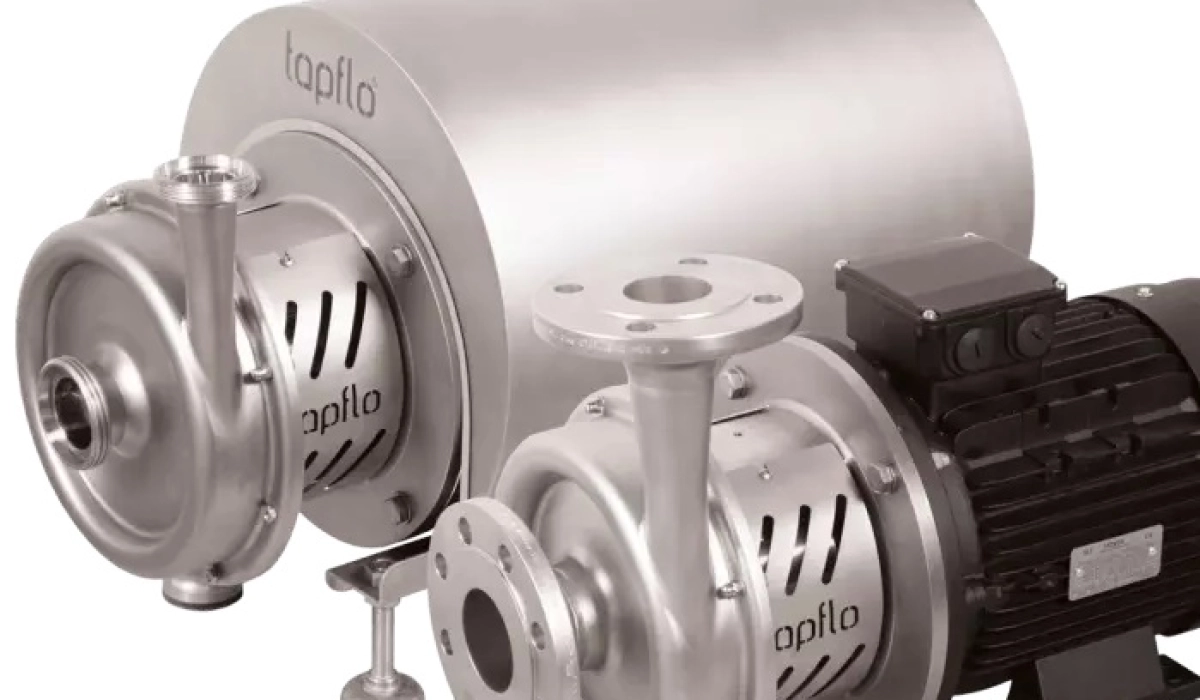
Self-priming pumps — belong to surface types and are used for water supply from ponds, wells, maintaining pressure in water supply systems. The equipment will help create an irrigation system on a dacha, provide water for a private house, a summer shower. The main thing is that the liquid being pumped must not contain solid impurities.
Surface self-priming pump works on a simple principle: it sucks water, passes it through itself, and discharges it into a pipeline or a regular hose. Despite this, the equipment has several types. Choosing one or another type requires considering the sphere and conditions of use.
Types of self-priming pumps
Manufacturers offer 3 types:
- Centrifugal. The device's power depends on 1 or several working impellers installed inside. The working chamber, into which the liquid is sucked, has a spiral shape. These models have a large weight and low noise level. If the first characteristic may cause difficulties, then the second — a great advantage for many users. Especially when the equipment is installed on a dacha, where one wants to enjoy quietness.
- Jet. The working fluid during the device's operation is divided into 2 parts. One exits to the discharge nozzle, and the other recirculates using a jet. Used for lifting water from depths up to 10 m. The system has a special hose that ensures the necessary vacuum for lifting. The jet can be portable or located inside. Models with portable jets are not suitable for narrow wells.
- Centrifugal vortex. Can pump liquids with high air content. The working impeller has the appearance of a disc with partitions. During its rotation, water swirls into a spiral flow, moving from the disc's edge to the center and back. Together with the liquid, air is sucked in by vacuum. Due to the density difference between air and liquid, they separate in the working chamber. When air is removed, the pump starts working as a centrifugal pump. The reverse valve prevents air from returning. The equipment has small dimensions and weight, is inexpensive, and provides good pressure.
Prices for self-priming pumps of different types vary significantly. Therefore, when choosing a suitable model, one must be precisely sure about the operating conditions to avoid overpaying.
How to choose a self-priming pump
For lifting water from depths no more than 10 m (river, well, lake), it is worth buying surface self-priming pumps. When selecting the right model, consider the following characteristics: depth, pressure losses, required pressure, and how long the equipment needs to operate. Considering this, it will be easy to choose the required power and other parameters. For example, if high power is needed, consider jet-type variants. They are relatively noisy but productive. As for the manufacturer, Tapflo's equipment is still the best.
And most importantly — remember that before starting, surface self-priming pumps must be filled with liquid.