
Building Blocks: Their Types, Purposes, and Usage Features
Any construction is a multi-stage and complex process that requires not only skill but also extensive knowledge, as building technologies are rapidly evolving. The strength, durability, and longevity of a building (structure) depend on the quality of construction materials used.
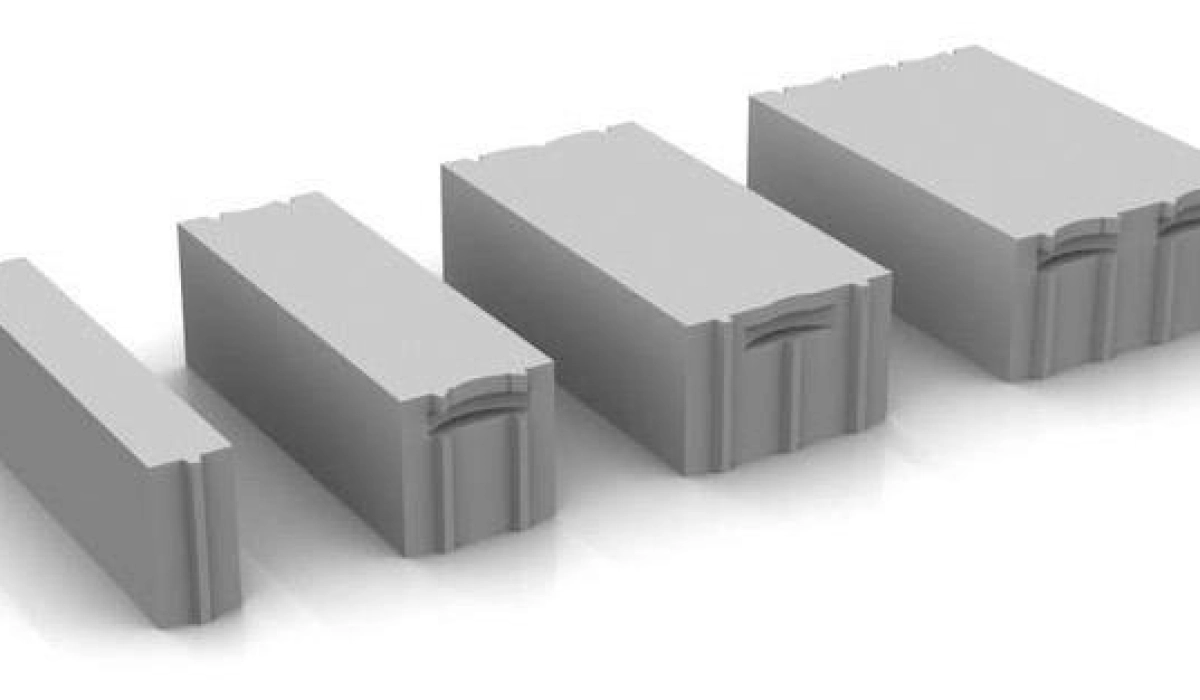
Any construction – a multi-stage and complex process, requiring not only skill but also extensive knowledge, as building technologies are rapidly evolving.
The strength, durability, and longevity of a building (structure) depend on the quality of construction materials used. You can find guaranteed quality and certified construction materials on the online store Vikar by visiting the link https://tdvikar.com.ua/bloky-budivelni/ and reviewing the product range.
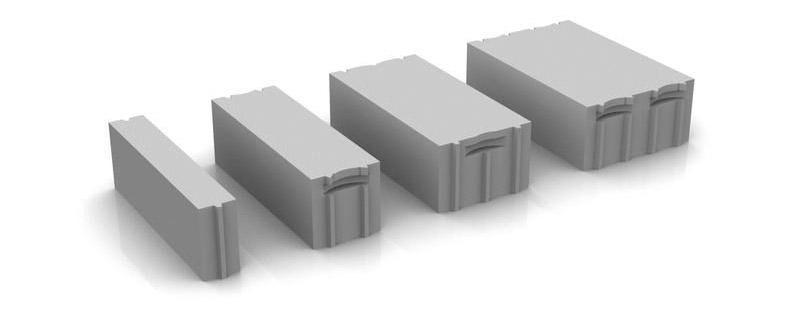
Building blocks are increasingly used, as they perform the same functions as bricks or concrete slabs, yet are lighter and easier to work with.
Advantages of using
Building blocks have several advantages compared to other materials. These include:
- Comfort. Blocks are made from a «breathable» material, so people feel more comfortable and pleasant in rooms built with them;
- Lower weight. If you compare an equal amount of blocks and silicate bricks, the weight of the former will be significantly less, making the entire building lighter;
- During installation, minimal adhesive material is required (which already saves money on additional materials).
Since blocks have high thermal efficiency, walls can be made thinner, thereby increasing the usable area inside the room. This factor is especially important when building private houses and other residential structures.
What types of building blocks exist?
Depending on their purpose, blocks are divided into wall, foundation, and footing blocks. Lightweight materials can only be used for manufacturing wall blocks, as the other two types must be extremely strong, as they will support the entire building. Foundation and footing blocks must be monolithic with clear geometric shapes. As for wall blocks, there are many options:
- Expanded clay concrete. Strong, resistant to cold and moisture. They have holes into which reinforcement can be inserted;
- Corrugated blocks. Have a smooth surface, retain heat well, and easily connect with each other. They can be standard or moisture-resistant. Best suited for room partitions;
- Polystyrene blocks. Can be used to build walls and partitions. To extend the material's service life, additional insulation is recommended;
- Aerated concrete. A modern material becoming increasingly popular due to its combination of properties typical of stone and wood.
In terms of performance, aerated concrete is comparable to brick, but costs less.