
Composite Wood in Agriculture: Advantages and Applications
Given the numerous advantages and application possibilities of composite wood, it is no surprise that this material is gaining more and more fans among farmers and agricultural landowners. Eco-friendly, resistant to environmental influences, and aesthetically pleasing — composite wood combines all the necessary qualities for modern agriculture.
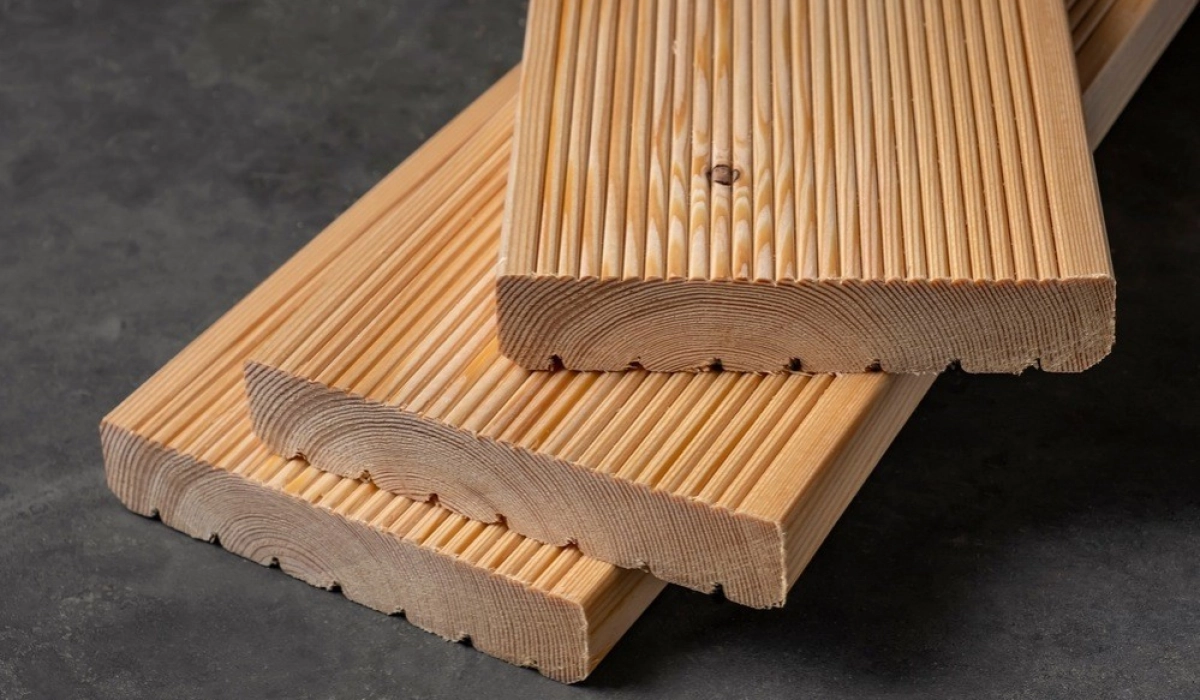
Composite wood (CWP) has long won the hearts of private home owners and landscape designers. But what about agriculture? How can composite wood decking be useful in agribusiness? Let's find out.
Composite wood decking: convenience for farm plots PVC decking or composite wood is becoming increasingly popular not only in landscape design but also in agriculture. It can be used to create paths between rows, simplifying crop care and worker movement around the plot.
Advantages for agricultural work:
Water resistance: Composite wood does not allow water to pass through, preventing rot and pest infestation. Strength: Composite wood withstands loads up to 1200 kg per square meter — this is important when using agricultural machinery. Easy maintenance: The material does not require anti-mold or anti-fungal treatment. Composite wood fences and barriers for farms In agriculture, safety and durability of fences play a key role. Here, composite wood can become an excellent alternative to traditional wooden and profiled sheet fences.
Composite wood vs. profiled sheet:
- Longevity: Composite wood fences do not rust and retain their color.
- Safety: Composite wood fences have no sharp edges, eliminating the risk of injury to animals and people.
- Eco-friendliness: Composite wood is environmentally safe and does not emit harmful substances. Composite wood row boards: ideal for greenhouses
Composite wood is ideal for creating greenhouse and row frame structures. These constructions are durable and also protect plants from moisture and pests.
Composite wood in agriculture — it's an innovative approach that offers solutions for many traditional problems. Whether it's terraces for worker convenience, fences for plot protection, or rows for greenhouses — the choice in favor of durability and efficiency is obvious.
Composite wood in agricultural buildings
Aside from the aforementioned applications, composite wood finds use in agricultural buildings as well. Specifically, in constructing dacha cottages, hangars, and other utility structures.
Why choose composite wood for agricultural buildings:
Wear resistance: Under constant use, composite wood does not wear, dry out, or crack.
Thermal stability: Unlike many other materials, composite wood withstands temperature fluctuations well — which is especially important in harsh climatic zones.
Resistance to mold and fungi: This is especially important in areas where harvested crops or animal feed are stored.
Composite wood steps and ramps for agricultural machinery
Composite wood is also actively used to create steps, ramps, and platforms for agricultural machinery movement. This ensures safe movement and resistance to heavy loads.
Advantages:
- Non-slip surface: Composite wood is often treated to provide an anti-slip surface, eliminating the risk of accidents.
- Easy installation: Installing composite wood steps and ramps takes significantly less time compared to traditional materials.
Composite wood for water resources in agriculture
Water resources play a key role in agriculture. From ponds for livestock to artificial fish ponds and irrigation systems — composite wood can become an invaluable material in all these areas.
Advantages of composite wood when used in water resources:
- Does not absorb moisture: Unlike wood, composite wood does not absorb water, preventing rotting.
- Longevity in water: Composite wood does not rust and does not develop algae or other deposits.
- Safety: The material does not slip even when wet, making it ideal for use in areas where slipping is a risk. Composite wood in landscape design of agricultural plots
Many farmers strive not only for functionality but also for the aesthetics of their farms. It is here that composite wood finds application. Thanks to its elegant appearance and variety of shades, composite wood can be used to create decorative elements, gazebos, arches, and even small architectural forms.
Eco-friendliness and resistance to pesticides
In agriculture, various chemicals are often used to protect crops. Many materials are susceptible to destruction or damage due to pesticide exposure. However, composite wood is resistant to chemical influences, making it an ideal choice for agricultural plots where pesticides and fertilizers are applied.
Composite wood — choice of modern farmers
Given the numerous advantages and application possibilities of composite wood, it is no surprise that this material is gaining more and more fans among farmers and agricultural landowners. Eco-friendly, resistant to environmental influences, and beautiful — composite wood combines all the necessary qualities for modern agriculture.