
Electric Stove: Pros and Cons
Electric stoves can be found anywhere, from ordinary apartments in high-rise buildings to country cottages and villas.
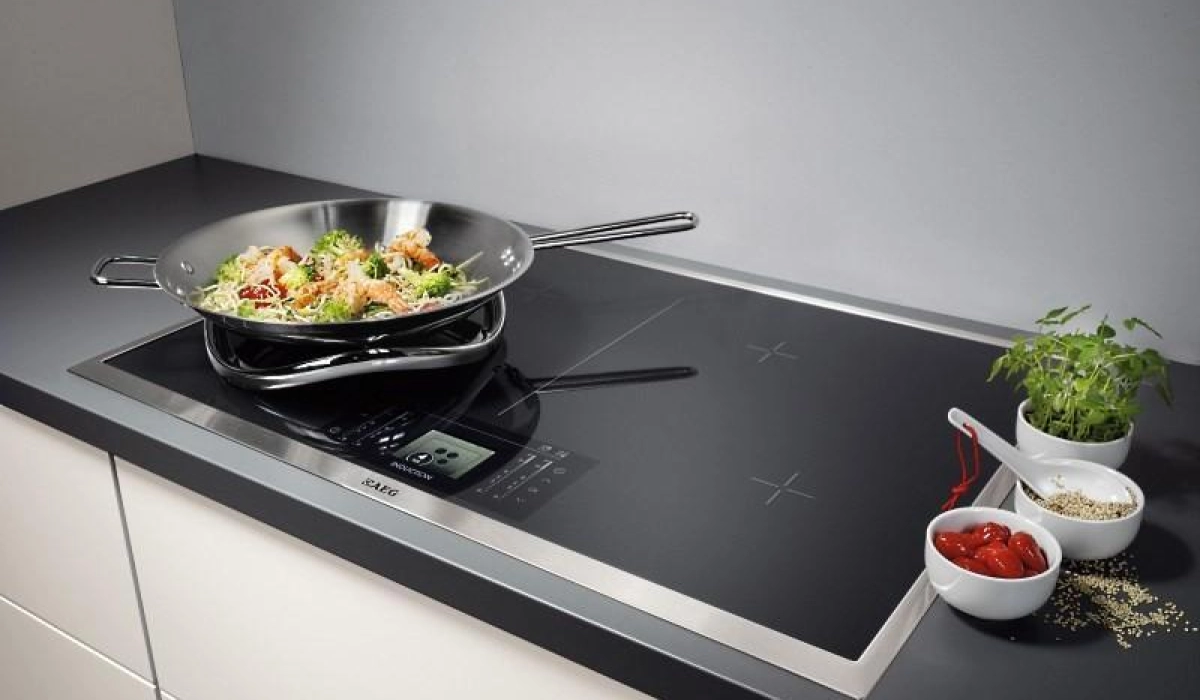
Electric stoves can be found anywhere, from ordinary apartments in high-rise buildings to country cottages and villas. They are even installed in gasified houses, opting out of "blue fuel." What are the advantages and disadvantages of such equipment, and why is it popular? We'll discuss this below.
Advantages of Electric Stoves
-
Maximum safety. The absence of an open flame minimizes the risk of starting a fire or getting burned. Electricity is much safer than gas, which can leak unnoticed and become the cause of a real disaster.
-
Easy operation. Burners heat up and cool down slowly, allowing you to prepare a delicious and juicy dish, simmered under a lid. Prepared food stays warm for a long time if not removed from the stove. The surface doesn't heat up to extreme temperatures, which again prevents burns.
-
Easy maintenance. Gradual heating results in a complete absence of splashes (e.g., hot oil), so taking care of the stove and surrounding surfaces is a pleasure: just surface cleaning with a damp cloth.
-
Wide functionality. Electric stoves have a huge range of capabilities that are not available in gas models. You can set cooking time, adjust lighting, and even use automatic cooking programs.
-
High efficiency. Only the burner heats up, not the air in the room, which guarantees maximum productivity with minimal electricity consumption.
-
Expensive appearance. Electric stoves look very stylish, partly due to the absence of bulky cast iron grates. Induction models in strict black color especially look attractive.
-
Quiet operation. The stove produces absolutely no sound, unlike the crackling flame, so you can enjoy a cup of tea in the quiet night or prepare dinner late.
Disadvantages of Electric Stoves
-
High price. Advanced electric stoves cost accordingly: on average, 20-30% more than gas models with similar features.
-
Complex installation. In most cases, a separate electrical line must be run for the stove.
-
Heating takes time. Sometimes these few minutes turn out to be critical - for example, during morning rush hour.
-
Induction models require the use of special ferromagnetic cookware.
What about the oven?
In addition to the cooking surface, a kitchen stove also has an oven. Usually, it also operates on electricity, which is much more convenient for cooking than gas. Electric ovens have dozens of working modes and features, from precise temperature control to timers and special programs (top, bottom, combined heating, self-cleaning, fan, etc.). They heat evenly from all sides, which means food doesn't burn and retains maximum nutritional value. This is a real find for those who love experimenting with baked meats, fluffy pastries, or original second dishes from the oven.