
How to Choose a Vacuum Cleaner for Wet and Dry Cleaning
What to pay attention to when choosing a vacuum cleaner will be discussed in this article.
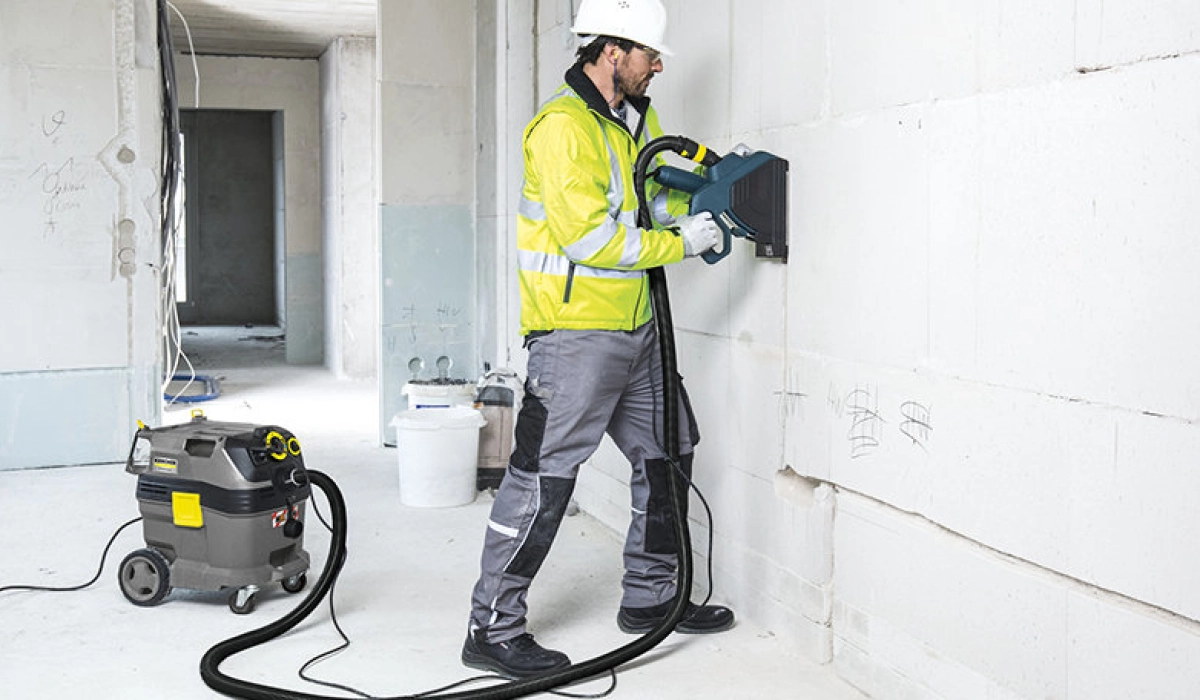
A vacuum cleaner is a powerful and versatile tool that will help you clean any surfaces from a car interior to the attic. This article will examine the factors to consider when purchasing a vacuum cleaner for wet and dry cleaning.
Difference between a vacuum cleaner for wet and dry cleaning and a regular unit
Although this device is not that different from any other vacuum cleaner, thanks to its versatility, its popularity has significantly increased.
Main differences:
- handles suction of particularly dirty areas;
- cleans wet surfaces from dirt;
- greater power;
- withstands heavy loads.
Essentially, these units are used for heavy-duty tasks that a regular vacuum cleaner cannot handle.
What to pay attention to when choosing the device
When buying a vacuum cleaner, you may encounter an extremely wide range of products, making the choice of the right one very challenging. They may differ in size and brand, including the attached attachments and accessories.
What sizes are available
The sizes of the units vary from handheld models with a capacity of less than 7 liters to industrial wet/dry vacuums with a capacity of up to 300-400 liters. On enterprises and in workshops, vacuum cleaners for wet and dry cleaning in the form of drums, with a capacity of at least 50-60 liters, are usually used.
What to know about vacuum motors
Vacuum cleaners for wet and dry cleaning use one of two motor systems.
In bypass systems, a separate fan is used for air intake and motor cooling. The air drawn into the tank to create suction bypasses the electrical components of the motor, allowing this system to collect wet debris and liquid.
In flow-through systems, the same air that passes through the tank is used to cool the vacuum motor. Since the sucked-in air passes through the motor, flow-through units should be used only for dry debris.
Which characteristics to consider
The volume of wet and dry vacuum is usually measured in liters. Power can be measured by its sealed pressure and peak power.
Sealed pressure (SP) is a measure of how high the vacuum motor can lift a column of water up a glass water column. Maximum suction pressure is achieved at zero air flow.
Peak power (hp) - this is the maximum output power of the motor, determined in laboratory tests. Since the test is conducted outside the normal operating range of the motor, this is generally not the best specification for use.
Vacuum cleaners for wet and dry cleaning can operate in conditions and environments that would be too harsh for a traditional device, making them extremely useful at work and even at home.