
Aegiphila martinicensis
Aegiphila martinicensis
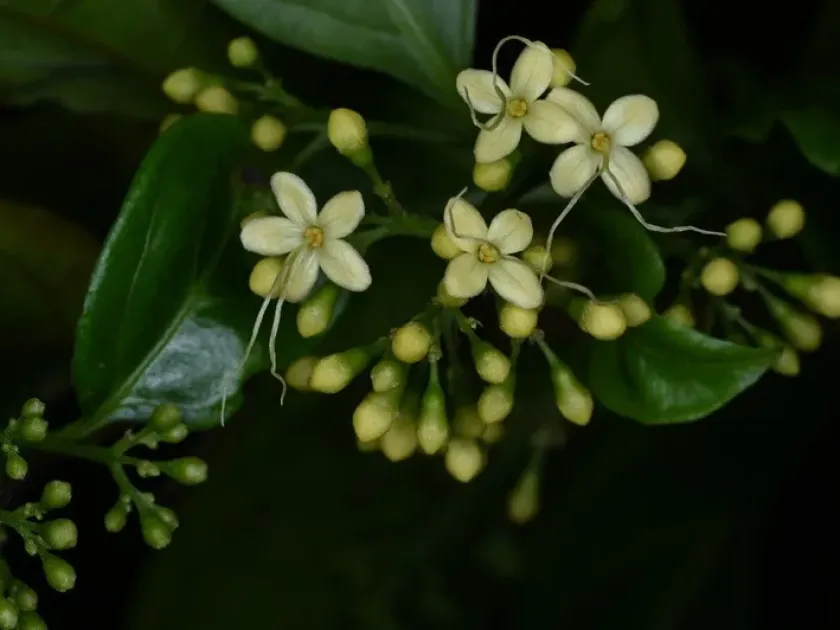
Description
How to tell it apart
Aegiphila martinicensis is a woody perennial shrub in the Lamiaceae family. It is known for its robust growth and ability to adapt to various tropical environments, often forming thickets if left unmanaged.
The leaves are arranged oppositely along the stems, displaying an elliptical shape with a distinct pointed apex. The leaf surface is typically textured, which serves as a reliable marker for identification during the vegetative stage.
The plant produces small, yellow-to-cream-colored flowers clustered in axillary panicles. These blossoms are highly attractive to pollinators, ensuring successful seed production and continued spread of the species.
One of the most noticeable features is its orange-yellow drupe-like fruits. These fruits are attractive to birds, facilitating rapid seed dispersal across agricultural and natural landscapes.
The root system is vigorous and woody, allowing the plant to regenerate quickly after the stems are cut or damaged, which makes it a persistent challenge for manual weed control efforts.
Where it grows
Native to the tropical regions of the Americas, Aegiphila martinicensis has become a problematic weed in many similar climatic zones globally, frequently invading disturbed lands and plantation edges.
It commonly establishes itself along roadsides, fence lines, and drainage ditches. From these margins, it easily spreads into agricultural fields, especially in plantations of cocoa, coffee, and sugar cane.
The plant prefers well-drained soils but demonstrates remarkable tolerance for various soil types, including those with low nutrient content, giving it a competitive edge over sensitive crops.
In disturbed ecosystems, it acts as a pioneer species. Its ability to thrive in both full sun and partial shade allows it to compete effectively with a wide range of agricultural and horticultural crops.
Frequent soil disturbance during land preparation often triggers the germination of dormant seeds in the soil bank, leading to rapid re-infestation of cleared plots.
Harm it causes
The primary harm is the intense competition for sunlight, water, and soil nutrients. Dense growth of Aegiphila martinicensis can significantly stunt the growth and development of crops nearby.
Its presence creates physical barriers for farm machinery, leading to increased costs due to equipment damage and the need for more frequent manual clearance of rows and headlands.
The weed acts as a host for various agricultural pests and pathogens. These can easily transition from the weed to cultivated crops, increasing the risk of disease outbreaks in the field.
In grazing lands, this shrub reduces the available biomass for livestock by outcompeting nutritious forage grasses, ultimately leading to lower carrying capacity for cattle.
The accumulation of woody biomass can increase the fire risk in dry seasons, potentially endangering the surrounding productive land and farming infrastructure.
How to control
Mechanical removal, specifically pulling the plant with its entire root system, is necessary to prevent regrowth. Simply cutting the plant is insufficient due to its strong regenerative capabilities.
Chemical control using systemic herbicides is highly effective. Applications should focus on the leaves or the stump after cutting to ensure the herbicide reaches the roots and kills the plant.
Preventative measures include regular monitoring of field perimeters and controlling young plants before they reach reproductive maturity, thus preventing further seed bank buildup.
Integrated Weed Management (IWM) is recommended, combining periodic mechanical clearing with spot-spraying of herbicides to minimize the impact on the main crop.
- Regular monitoring and early eradication of seedlings.
- Use of systemic herbicides during the active growth season.
- Physical removal of root stocks from the soil.
Taxonomy
- Latin name
- Aegiphila martinicensis
- Family
- Яснотка пурпурная
- EPPO code
- AEFMA