
Radiate broom
Genista radiata
Description
How to tell it apart
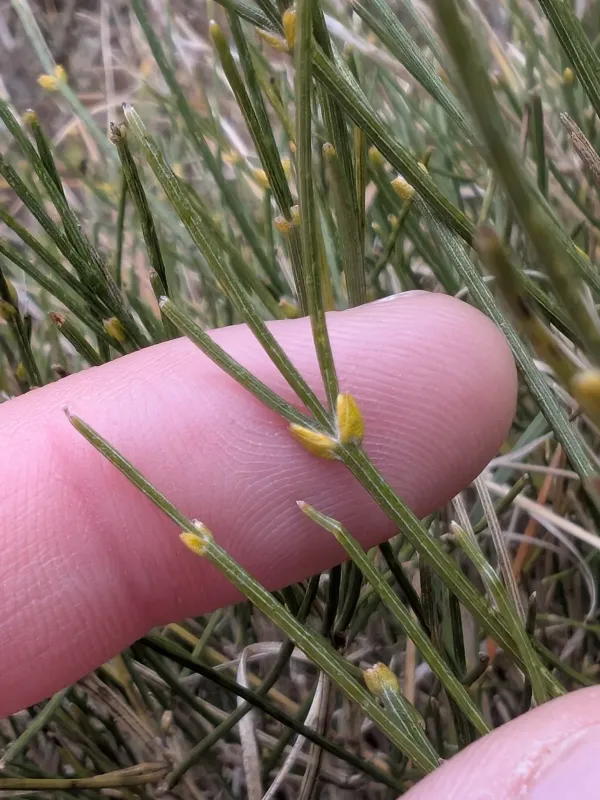
Radiate broom (Genista radiata) is a deciduous shrub in the Fabaceae family. It is characterized by its rounded, dense growth habit and fine, hairy branches that often end in sharp spines.
The leaves are simple and lanceolate, arranged in an alternate pattern along the stems. The shrub can grow to a significant size, creating dense thickets that are difficult to penetrate or clear.
Yellow flowers bloom in dense, head-like clusters during late spring and early summer. The plant produces small seed pods that contribute to its aggressive propagation if left unmanaged.
The root system is robust and deep, allowing the plant to thrive in poor, rocky, or dry soils where many other plants struggle to survive.
Genista radiata is highly adapted to xerophytic environments, meaning it remains green and vigorous even during extended dry periods, giving it a competitive advantage over seasonal grasses.
Where it grows
Radiate broom typically inhabits rocky slopes, dry grasslands, and abandoned fields. It is a common problem in pastoral regions where low-intensity grazing allows shrubs to become established.
It prefers sunny locations and is often found on the edges of forests or on degraded land. Once established, it can spread rapidly if the area is not regularly maintained or grazed.
The plant is native to parts of Southern and Central Europe. Its presence in agricultural landscapes usually indicates soil degradation or a lack of proper pasture management practices.
While it is less common in intensive row crop fields, it poses a severe threat to rangelands, meadows, and pastures, turning productive areas into impenetrable scrubland.
Seed dispersal occurs primarily through wind and local movement, though the plant's ability to recover from cutting makes it a difficult target for long-term eradication.
Harm it causes
The primary harm caused by Radiate broom is the degradation of grazing land. By forming thickets, it physically displaces valuable forage species and reduces the overall carrying capacity of the pasture.
The plant contains alkaloids that can be toxic to livestock. Ingestion of the foliage can lead to severe health issues for cattle, sheep, and goats, resulting in economic losses for farmers.
The presence of sharp, spiny branches poses a physical danger to animals, causing injuries that can lead to infections or prevent them from grazing in certain areas.
Radiate broom acts as a resource competitor, extracting water and minerals from deep soil layers that are vital for the growth of pasture grasses.
- Loss of viable grazing acreage.
- Risk of poisoning for grazing livestock.
- Increased cost of land clearing and maintenance.
- Suppression of native pasture grass biodiversity.
How to control
Mechanical control, such as grubbing and deep plowing, is effective if done thoroughly. However, because of its vigorous root system, incomplete removal often leads to rapid regrowth.
Controlled grazing with goats is a natural way to manage broom, as they can sometimes consume young shoots that other livestock avoid, though this requires high stocking density.
Chemical control involving systemic herbicides is often necessary for large infestations. These should be applied to the foliage during the active growth phase to ensure translocation to the roots.
It is essential to conduct post-treatment monitoring to identify and remove any new seedlings that emerge from the seed bank in the soil.
Integrated management plans, combining initial mechanical removal, targeted herbicide application, and the seeding of competitive grasses, are the most effective way to restore infested land.
Taxonomy
- Latin name
- Genista radiata
- Family
- Бобовые
- EPPO code
- GENRA