
Tetracera indica
Tetracera indica
Description
How to tell it apart
Tetracera indica is a member of the Dilleniaceae family. It is a perennial evergreen plant, typically appearing as a shrub or a semi-woody climber that can reach considerable sizes.
The leaves of this species are notable for their rough, coriaceous texture, which is a key identification marker. They are arranged alternately along the stem and possess a distinct veining pattern.
The stems of Tetracera indica become quite woody as the plant matures. This structural hardening makes the weed resilient to conventional light mechanical clearing methods.
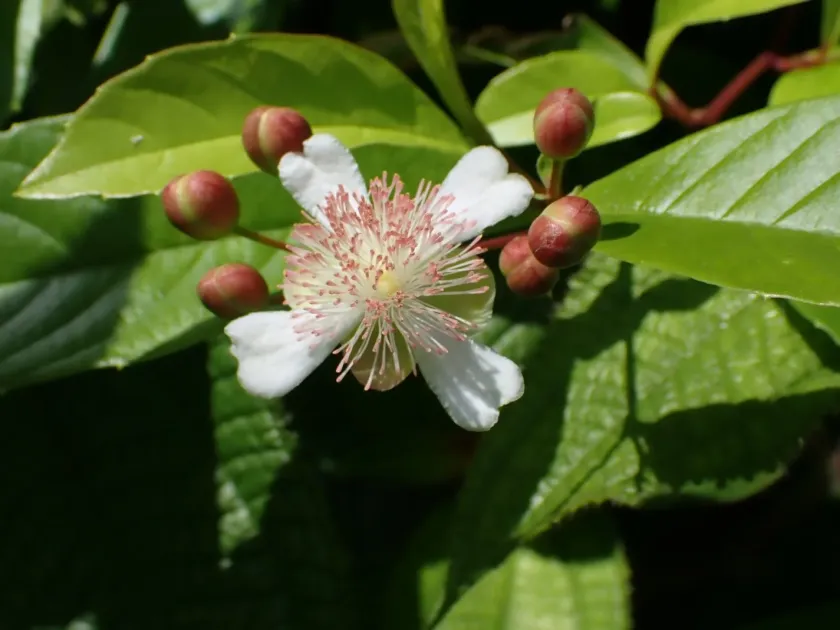
Its flowers are white, usually arranged in terminal panicles. The fruits are follicles that open to release seeds, which are dispersed efficiently by natural environmental factors like wind or animals.
The plant demonstrates a strong climbing habit, often using surrounding vegetation or crop stems as support, which allows it to dominate the canopy layer in uncontrolled areas.
Where it grows
Tetracera indica is primarily distributed across tropical regions of Southeast Asia. It thrives in various habitats including forest edges, abandoned lands, and neglected agricultural fields.
It prefers well-lit, open areas where it can establish its climbing habit. It is commonly found in tropical plantations where maintenance frequency is relatively low.
The weed is highly adaptable and can grow in various soil types, from disturbed landscapes to edges of tropical forests, often colonizing land that has been cleared or left fallow.
In agricultural settings, it rapidly occupies space along fence lines and field perimeters, gradually encroaching into the main crop area if left unmonitored.
Its ability to propagate and survive in different light conditions makes it a persistent weed in tropical and subtropical farming systems throughout its native range.
Harm it causes
The primary harm caused by Tetracera indica is its aggressive competition for sunlight. By climbing over crops, it effectively shades out younger plants, stunting their growth and development.
The physical weight of the climbing stems can cause crop stalks to bend or break, leading to significant yield loss and difficulties during mechanical harvesting operations.
As an invasive species, it competes heavily for nutrients and soil moisture, which is especially critical during dry spells in tropical farming environments.
The presence of dense Tetracera mats can create micro-habitats that promote the growth of pathogens, potentially increasing the risk of diseases spreading to the main crops.
Furthermore, it interferes with field logistics, as its tough stems can tangle in irrigation lines and farm machinery, leading to increased maintenance costs and operational downtime.
How to control
Effective management requires a multi-faceted approach. Deep plowing and manual extraction of the root system are essential to prevent the plant from regrowing after being cut.
Early identification is crucial; removing young specimens before they develop woody stems significantly reduces the labor required for clearing the field.
Chemical control using systemic herbicides applied directly to the foliage or cut stems can be highly effective during the active growth phase of the plant.
Cultural practices such as maintaining optimal crop density and shade management can inhibit the germination and early growth stages of Tetracera indica seedlings.
- Regular field scouting and monitoring.
- Manual removal of rootstocks.
- Strategic application of systemic herbicides.
Taxonomy
- Latin name
- Tetracera indica
- Family
- Диллениевые
- EPPO code
- TETIN