
Sphenoclea zeylanica
Sphenoclea zeylanica
Description
How to tell it apart
Sphenoclea zeylanica, commonly known as gooseweed, is an annual herbaceous weed belonging to the Sphenocleaceae family. It is a highly aggressive invader in wetland environments.
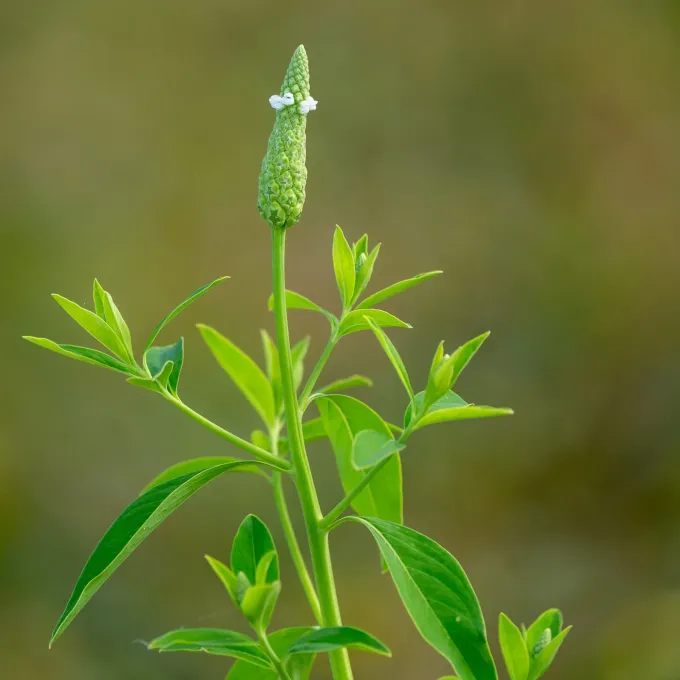
The plant typically grows up to 100 cm in height. It features an erect, succulent, and branched stem that is often thickened at the base, providing stability in saturated soils.
Its leaves are alternate, lanceolate, and light green, forming a dense canopy that can quickly shade out smaller crop seedlings during their critical growth stages.
The most recognizable feature is its flower spike, which is a cylindrical, densely packed cluster of tiny, greenish-white flowers that eventually produce thousands of minute seeds.
The root system is fibrous and extensive, allowing the weed to thrive in the anaerobic conditions of flooded rice paddies while effectively scavenging for nutrients.
Where it grows
Gooseweed is primarily found in tropical and subtropical regions worldwide. It is a moisture-loving plant that prefers wet, muddy environments and shallow standing water.
The species is a significant problem in rice fields, irrigation canals, and drainage ditches. It thrives in areas where water levels fluctuate throughout the growing season.
Dispersal is highly efficient, as the tiny, buoyant seeds are easily distributed across agricultural landscapes by irrigation water and contaminated field equipment.
It occupies open, sunlit areas where it can establish large, monospecific stands, outcompeting many other aquatic weeds in the process.
The plant is highly adaptable and can persist in various soil types, provided that adequate moisture is available for its rapid developmental cycle.
Harm it causes
The primary damage caused by Sphenoclea zeylanica is competition for essential resources, specifically nitrogen and light, during the early stages of rice development.
Its rapid biomass accumulation leads to significant suppression of rice tillering, resulting in lower plant density and reduced yields at harvest time.
Heavy infestations of gooseweed interfere with mechanical harvesting processes, leading to increased wear on machinery and higher operation costs for farmers.
As a weed that thrives in wet conditions, it serves as a persistent host for various pathogens and pests that affect rice crops, complicating integrated pest management.
Failure to implement timely control measures can result in economic losses, as the weed's prolific seed production builds a deep and persistent soil seed bank.
How to control
Effective management requires an integrated approach, starting with land leveling and the use of clean, certified seeds to prevent the initial introduction of the weed.
Water management is a key cultural practice; maintaining a consistent water depth can suppress the germination of gooseweed seeds in the field.
Chemical control involving selective post-emergence herbicides is the most common method used by commercial rice growers to manage established infestations.
Regular monitoring of irrigation water sources is necessary to ensure that the weed does not re-infest fields through contaminated water pathways.
- Hand weeding during early crop stages for small areas.
- Implementation of proper crop rotation cycles.
- Application of herbicides based on specific growth stages.
- Cleaning of agricultural machinery between fields to prevent seed spread.
Taxonomy
- Latin name
- Sphenoclea zeylanica
- Family
- Сфеноклея
- EPPO code
- SPDZE