
Water plantain
Alisma plantago-aquatica
Description
How to tell it apart
Water plantain (Alisma plantago-aquatica) is a perennial aquatic plant belonging to the Alismataceae family, frequently found in wetlands and irrigation channels.
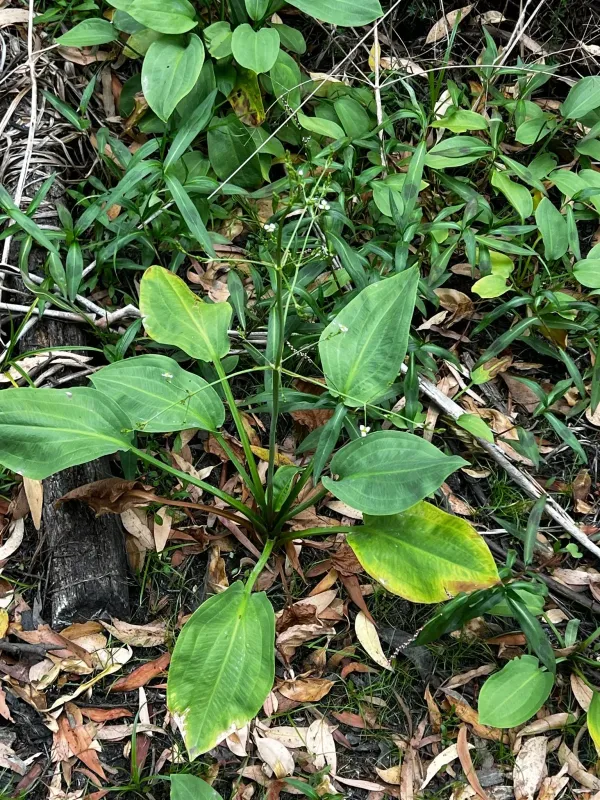
The plant features a basal rosette of leaves that closely resemble those of the common plantain, which are ovate or elliptic with prominent parallel veins.
Its inflorescence is a large, loose panicle composed of numerous small, three-petaled white or pale pink flowers arranged in whorls along the stem.
Reproduction occurs through small achenes, which are easily transported by water currents, making it a prolific spreader in moist agricultural environments.
As a hardy aquatic species, it exhibits strong biological adaptability, allowing it to thrive in flooded soil conditions where other weeds might struggle.
Where it grows
This species is widely distributed across temperate regions and is considered a significant weed in rice-growing areas and irrigation systems globally.
Water plantain prefers shallow standing water, ditches, and the margins of ponds, often invading rice paddies where conditions are nearly optimal for its growth.
It colonizes paddy fields quickly, especially in areas with poor drainage or stagnant water, forming dense clusters that interfere with crop development.
Irrigation water serves as the primary vector for seed dispersal, leading to rapid re-infestation of previously cleaned fields from contaminated water sources.
The plant is resilient to short-term dry periods, but it flourishes in consistent moisture, which makes it a persistent nuisance in fields maintained under flood irrigation.
Harm it causes
Water plantain is highly competitive, sequestering significant amounts of nitrogen and other essential soil nutrients that are critical for rice crop production.
Its rapid vegetative growth creates significant shading over young rice shoots, which restricts photosynthetic activity and reduces the overall yield potential of the crop.
Dense infestations complicate field operations, including mechanical weeding and harvesting, often leading to increased operational costs and machine maintenance.
The plant can act as an alternate host for several plant diseases and insect pests, facilitating their spread throughout the agricultural ecosystem.
Soil depletion caused by the extensive root system of water plantain leads to lowered fertility levels, requiring additional inputs to maintain consistent crop health.
How to control
Effective management begins with strict water level control, such as timed draining of paddies to stress the aquatic weed without harming the cultivated crop.
Cultural practices include deep plowing of the fields during the fallow period and the regular cleaning of irrigation ditches to eliminate seed sources.
Chemical control involving selective herbicides is a standard procedure in rice cultivation, targeting the broad-leaved weeds during their early developmental stages.
- Implementing crop rotation with dry-land species to break the aquatic weed cycle.
- Using high-quality, weed-free seeds to prevent the initial introduction of the pest.
- Application of post-emergence herbicides during the 2–4 leaf stage of the weed for maximum efficiency.
Continuous monitoring and early detection are essential to prevent the weed from setting seed, which would ensure long-term soil contamination and future infestations.
Taxonomy
- Latin name
- Alisma plantago-aquatica
- Family
- Частуховые
- EPPO code
- ALSPA