
XMC
Description
Mode of action
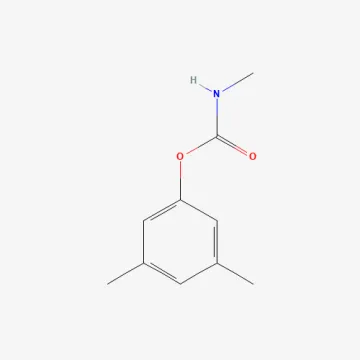
XMC (3,5-xylyl methylcarbamate) belongs to the carbamate chemical class and serves as a potent contact insecticide.
Its primary mechanism of action involves the inhibition of the enzyme acetylcholinesterase, which is crucial for nerve impulse transmission in insects.
By preventing the breakdown of acetylcholine, the insecticide causes persistent stimulation of the nervous system, leading to paralysis and death.
The substance is known for its rapid knockdown effect, which allows for immediate suppression of pest populations upon contact.
As a contact agent, it is highly effective when applied directly to the pest or onto surfaces that the insects frequently traverse.
What it targets
XMC is widely utilized in agricultural systems, particularly for the protection of rice paddies against major insect pests.
It provides effective control against various species of leafhoppers, which are significant vectors for viral diseases in rice crops.
The chemical is also used to combat bugs and other hemipteran pests that feed on plant sap and damage the developing grain.
In addition to rice, it can be applied to various vegetable crops to manage infestations of aphids and certain thrips species.
Its versatility in pest spectrum makes it a valuable tool for integrated pest management strategies in warm-climate agricultural zones.
Rates and timing
Application rates for XMC are dictated by the target crop, the density of the pest population, and the growth stage of the plants.
It is essential to prepare the spray solution accurately to ensure uniform coverage, which is vital for the success of contact-based insecticides.
Spraying should be performed during periods of low wind to ensure the product remains within the target area and does not drift.
Ideally, applications should take place during early morning or late evening hours to maximize efficacy and minimize the stress on the crop.
Farmers should consult regional guidelines to determine the optimal timing for application based on the economic threshold of the pests.
Restrictions
XMC poses a high risk to non-target insects, particularly honey bees; therefore, it must not be applied while crops are in bloom.
Operators must wear appropriate personal protective equipment (PPE) during mixing and application to avoid dermal and respiratory exposure.
It is critical to prevent runoff into nearby water bodies to protect aquatic ecosystems from the chemical's toxic effects.
To prevent the development of pesticide resistance, growers should alternate the use of XMC with insecticides having different modes of action.
Adherence to pre-harvest intervals (PHI) is mandatory to ensure that pesticide residues on the final product are within safe regulatory limits.
Status in the European Union
Not approved in the EU
EU status is for reference only and does not replace national registration in your country.