
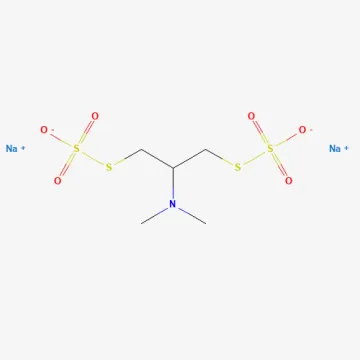
Thiosultap sodium
Description
Mode of action
Thiosultap-sodium belongs to the nereistoxin analogue chemical class, which is based on the structure of toxins produced by certain marine annelids.
The mode of action involves blocking acetylcholine receptors in the insect nervous system, causing paralysis, cessation of feeding, and death.
The substance exhibits both systemic and contact-stomach activity, which allows it to protect both treated and newly developing parts of the plant.
It is particularly effective against pests that have developed resistance to organophosphate and pyrethroid insecticides due to its unique physiological pathway.
The product remains stable under various environmental conditions, offering reliable control over a wide range of insect developmental stages.
What it targets
This active ingredient is designed to control a broad spectrum of chewing and sucking insects that pose a threat to various crops.
Key target pests include lepidopteran larvae, beetles, and leaf-feeding insects that cause significant damage to foliage and stems.
It is widely utilized in rice cultivation to manage stem borers and other grain-damaging pests, as well as in vegetable and fruit production.
Due to its systemic properties, it is highly effective against hidden pests that reside inside stalks or beneath the surface of the plant tissue.
Regular monitoring of pest pressure is essential to maximize the biological efficacy of the treatment against specific insect populations.
Rates and timing
Application rates depend on the target pest species, the intensity of the infestation, and the specific crop type being protected.
Treatments should be timed to coincide with the most vulnerable life stages of the target insects to ensure the best possible control outcomes.
It is recommended to follow a strict application schedule, limiting the number of treatments per season to maintain long-term pesticide efficacy.
The preparation of the spray solution requires careful calculation to ensure uniform coverage of all plant surfaces, including the undersides of leaves.
Proper calibration of spraying equipment is a critical factor in achieving the target deposit levels and preventing wasteful overspray.
Restrictions
Thiosultap-sodium requires standard safety precautions, including the use of protective clothing and equipment to prevent skin and respiratory exposure.
Application must be avoided during peak periods of pollinator activity, such as flowering, to minimize the risk to bees and other beneficial insects.
Adherence to pre-harvest intervals (PHI) is mandatory to ensure that the final agricultural produce meets all safety and consumer standards.
Storage must occur in a secure, cool, and dry location away from food, feed, and water supplies to prevent accidental contamination.
Environmental mitigation strategies must be employed to avoid runoff into waterways, protecting aquatic life from potential exposure to the substance.
Status in the European Union
Not approved in the EU
EU status is for reference only and does not replace national registration in your country.