
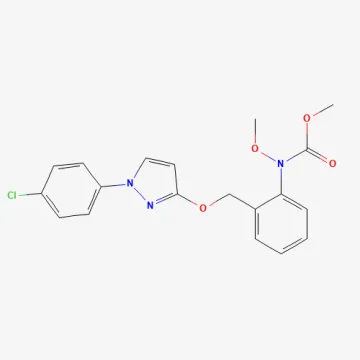
Pyraclostrobin
Description
Mode of action
Pyraclostrobin is a broad-spectrum fungicide belonging to the strobilurin class, which acts by inhibiting mitochondrial respiration in fungi.
The mode of action targets the Qoi site within the cytochrome bc1 complex, effectively disrupting electron transport in the pathogen's respiratory chain.
This inhibition stops the production of ATP, the energy carrier of the cell, which halts the development and spread of fungal mycelium and spores.
Beyond its fungicidal properties, pyraclostrobin is known for its physiological benefits, increasing nitrogen efficiency and enhancing plant vitality.
It provides excellent preventive and curative properties, ensuring long-lasting protection of treated leaf tissues through its systemic distribution.
What it targets
The active substance is effective against a vast array of plant pathogens, including Ascomycetes, Basidiomycetes, Deuteromycetes, and Oomycetes.
Pyraclostrobin is widely used to combat septoria, rusts, powdery mildew, leaf spot diseases, and various blights affecting agricultural crops.
It is suitable for use on a variety of crops including cereals, corn, soybeans, sunflowers, sugar beets, potatoes, and various horticultural crops.
The chemical is highly valued for managing complex disease situations in both broad-acre farming and intensive vegetable cultivation.
- Cereal grains
- Row crops (corn, soy)
- Vegetable production
- Orchards and vineyards
Rates and timing
Application rates depend on the specific crop, disease pressure, and growth stage, generally ranging from 0.2 to 0.6 liters per hectare.
The best results are achieved when applied preventively during periods of favorable conditions for fungal growth and infection establishment.
Resistance management strategy dictates the rotation of pyraclostrobin with fungicides that possess different modes of action to maintain efficacy.
Pyraclostrobin can be effectively mixed with other fungicide classes, such as triazoles, to provide a synergistic effect against resistant strains.
Proper coverage of the foliage is essential, and application should ensure thorough leaf wetting to maximize the systemic uptake of the substance.
Restrictions
To prevent the development of resistant fungal populations, it is recommended to limit the number of applications per season per crop.
Users must strictly follow pre-harvest intervals and safety guidelines specified on the product label to ensure food safety and regulatory compliance.
Pyraclostrobin is considered toxic to aquatic life, and application near water bodies should be performed with appropriate buffer zones.
Operators are required to wear full personal protective equipment, including protective clothing, gloves, and eye protection during handling.
Always store the chemical in its original, sealed container in a cool, dry, and ventilated area away from incompatible materials and feedstuffs.
Status in the European Union
Approved in the EU
- CAS number
- 175013-18-0
- Approved from
- 01.06.2004
- Approval until
- 15.09.2026
- ADI
- 0.03 mg/kg bw/day
- ARfD
- 0.03 mg/kg bw
- AOEL
- 0.015 mg/kg bw/day
EU status is for reference only and does not replace national registration in your country.