
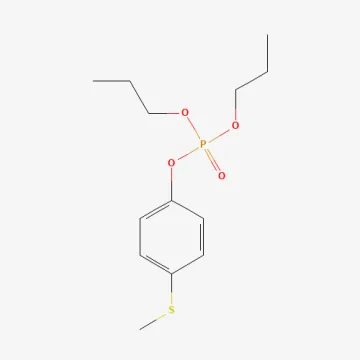
Propaphos
Description
Mode of action
Propaphos belongs to the organophosphate class of chemical compounds. Its primary mechanism of action is the inhibition of the acetylcholinesterase enzyme in the insect nervous system.
Once it enters the pest's body, the substance blocks the transmission of nerve impulses, leading to an excessive accumulation of acetylcholine in the synaptic clefts.
As a result of this action, insects experience irreversible paralysis, followed by convulsions and subsequent death.
The product exhibits strong systemic activity, rapidly penetrating plant tissues, which ensures the effective elimination of both exposed and hidden pests.
The compound possesses potent contact and stomach activity, making it an essential tool in anti-resistance management programs for agricultural crops.
What it targets
Propaphos is primarily utilized for controlling a wide range of chewing and sucking insects that pose a significant threat to agricultural ecosystems.
Specifically, it is effective against various species of aphids, thrips, and psyllids that damage vegetable and field crops.
The insecticide demonstrates high efficacy in controlling lepidopteran larvae (cutworms, moths, leaf rollers) during their early development stages.
It is also employed to suppress populations of spider mites, protecting foliage from premature wilting and damage.
- Aphids (Aphididae)
- Thrips (Thysanoptera)
- Cutworms (Noctuidae)
- Mites (Acarina)
Rates and timing
The application rates of the product vary depending on the target pest, the crop's growth stage, and the level of infestation in the field.
Treatments are typically conducted during the active growing season when the first signs of pest presence appear or when the economic injury threshold is reached.
To achieve maximum efficacy, it is crucial to ensure thorough and uniform coverage of all leaf surfaces during the spraying process.
Pre-harvest intervals (PHI) are strictly regulated to prevent residue levels from exceeding safety limits in the final agricultural produce.
Applications should be performed during early morning or late evening hours under favorable weather conditions to prevent drift caused by wind.
Restrictions
Like all organophosphate compounds, propaphos requires strict adherence to safety protocols when handling concentrated solutions.
The use of personal protective equipment for skin, respiratory, and eye protection is mandatory to prevent toxic exposure to the operator.
The product is highly toxic to beneficial pollinators, and therefore, it must not be applied during the peak blooming period of honey-producing plants.
Disposal of product residues and wash water near water bodies is prohibited, as it causes severe harm to aquatic life.
Storage must be carried out in specialized warehouse facilities that restrict unauthorized access and prevent direct contact with food products.
Status in the European Union
Not approved in the EU
EU status is for reference only and does not replace national registration in your country.